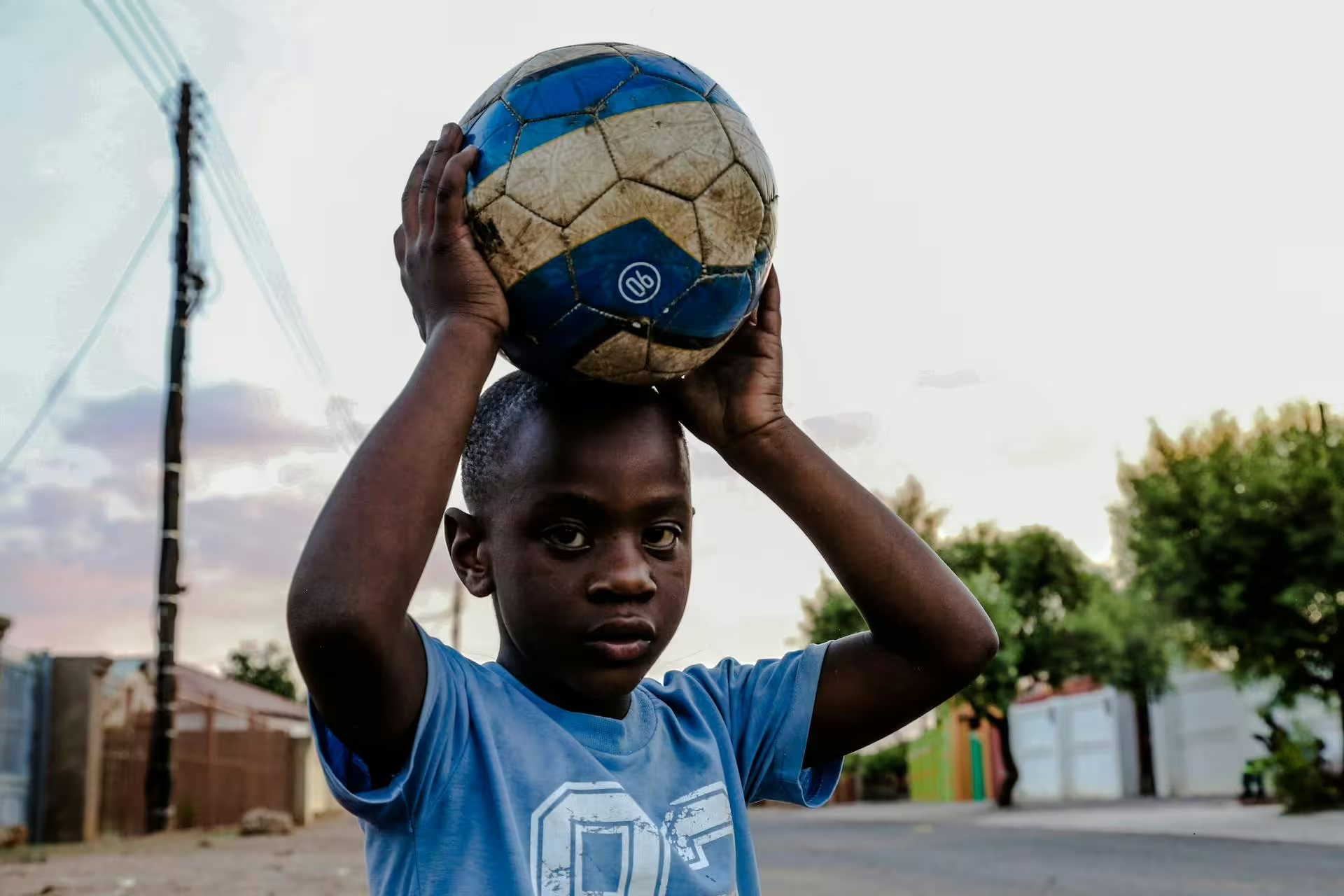
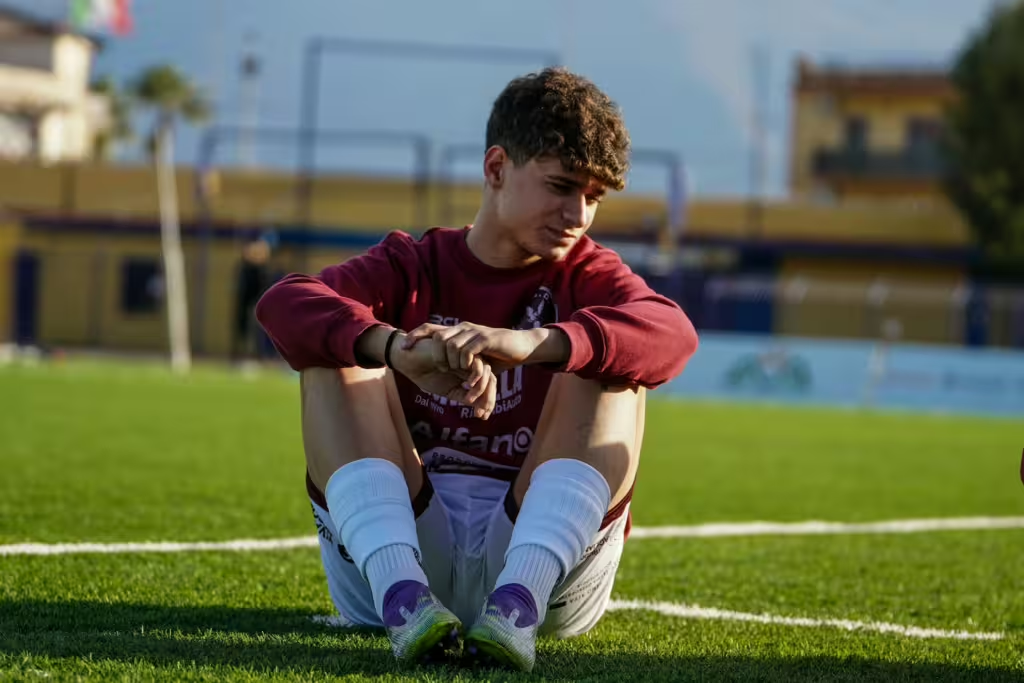

For many parents, the balance between athletics and academics is one of the most important factors to consider when their child is involved in youth sports. We’re not going to say that it’s easy. In fact, at Cultured Athlete, we’ve written more than a few articles about how best to achieve that balance. Regardless of how challenging walking this fine line between the two may appear, however, it is far from impossible. As it happens, there are many famous athletes who have done just that.
It’s true, some of the world’s most successful athletes built their sports careers while balancing highly demanding school schedules. They managed to make time for intense training, fierce competition, and rigorous coursework; all while balancing some semblance of a social life. Today, we aim to take a closer look at these scheduling experts to find out how they made it all work.
Through the stories of these world class athletes, we will examine how, with the right support, discipline, and time management, student athletes can succeed both in the classroom and in their chosen sport. Learning how elite athletes balanced their sport and educational lives will give parents perspective on how they can help their own children find that equilibrium to reach all of their athletic and academic goals.
Why Education Matters
We’ll admit, this is sort of a loaded question. Obviously education matters because it will enrich children, improve their minds, and give them opportunities and experiences they need to become well-rounded individuals. And yes, even for athletes who dream of playing professionally or competing internationally, still need to keep up with their education.
After all, the sad truth is that only a small percentage of young athletes will make it to the big leagues or even the Olympic games. That said, academic skills should not only be a “buffer.” Getting an education will provide multitudinous opportunities beyond sports. Moreover, it helps young people to develop their understanding of the world, their critical thinking, discipline, and communication skills.
Balancing school and athletics also builds important life skills. Through this balancing act, student-athletes learn how to prioritize their responsibilities, handle pressure, meet deadlines, develop self-discipline and independence, and effectively manage their time.
The Daily Life of a Student-Athlete
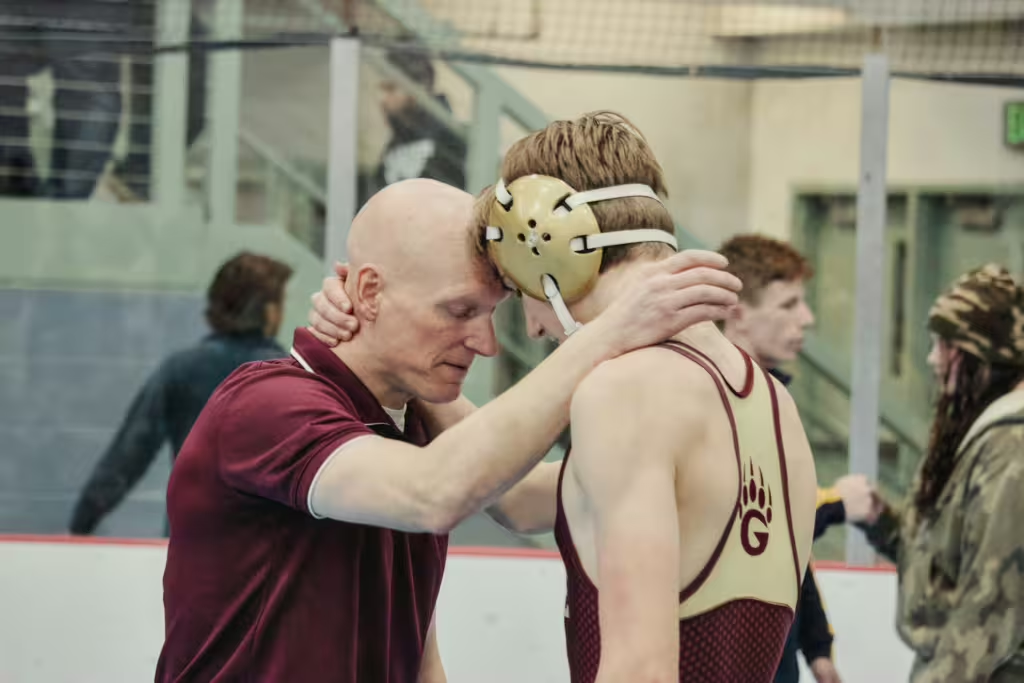
As we said earlier, balancing school and elite sports aint easy. To do so effectively requires careful planning and a great deal of discipline. To facilitate this, many young athletes follow structured schedules that include classes, homework, practices, and travel for competitions. Maintaining this routine requires commitment from both the athlete and their family. Parents often play an important role by helping children organize their schedules and ensuring they maintain healthy habits.
Examples of Athletes Who Balanced School and Sports
Per our original point, there are more than a few well-known athletes who maintained strong academic commitments while pursuing elite competition.
Simone Biles
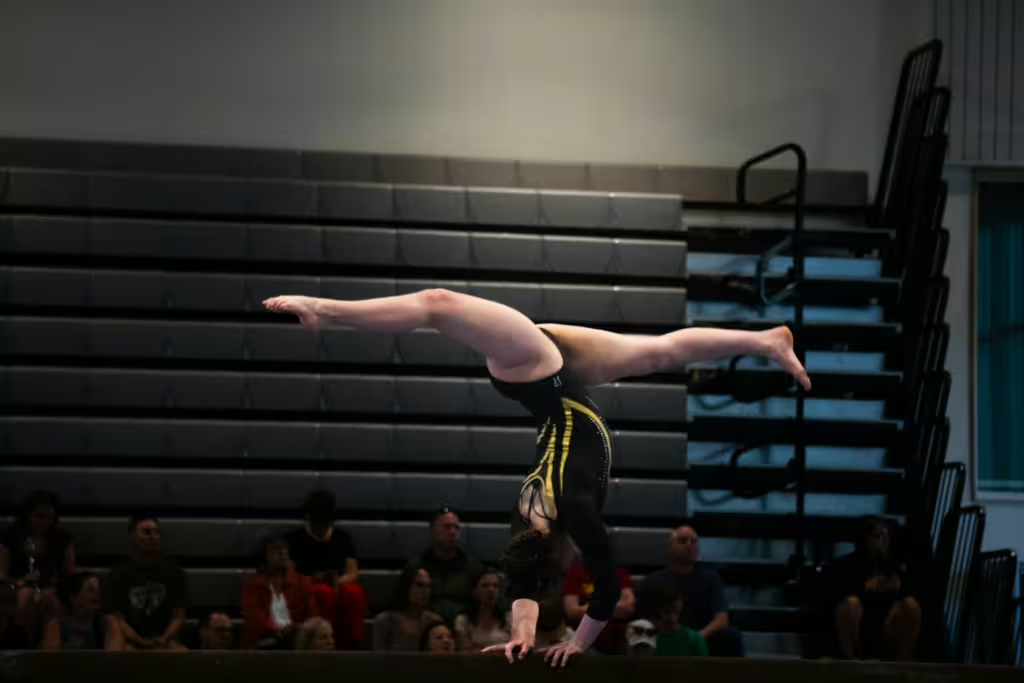
Simone Biles is one of the most decorated gymnasts in history. She may well be the most decorated as of the writing of this article, having won some 41 combined Olympic and Championship medals. She began competing at an elite level while still a student, though in order to keep up the intense training needed to be such a champion, completed much of her education through homeschooling. In this way, Biles found a flexible way of completing her academic journey while still putting in the time to train.
Stephen Curry
Basketball superstar Stephen Curry may have been committed to being one of the best college and NBA basketball star to ever grace the court, but did you know he was just as committed to his education? Curry attended Davidson College, where he learned the best ways to manage his time so that he could keep up with his studies while also becoming an absolute champion of the sport. In doing so, he met his academic obligations and learned leadership skills that would help him both on and off the court.
Allyson Felix
Olympic track and field legend Allyson Felix began competing internationally while still in school. Like most would-be Olympians, she had a demanding training schedule, but she still managed to prioritize her education just as much. Even in college, she continued to train and get her degree at the University of Southern California.
Time Management: A Key Skill
In all of the cases mentioned above, time management obviously played an important factor. Balancing practices, games, schoolwork, and rest requires careful planning on the part of the student-athlete. To that end, the creation of daily schedules, either digital or through a planner, might be beneficial. Completing homework and assignments in the available space between or after practice can be helpful too, as can breaking large school projects up into tasks that can be done over time.
Parents can actually help support their children in this regard. Indeed, by helping your kids to develop these routines early on, you can help them become more adept and confident at managing their own responsibilities and their own schedules.
Learning Life Lessons Through Balance
One of the most important aspects of keeping pace with academics and athletics has to do with balance. This type of balance is going to be exceptionally valuable beyond the sports field, even if your child does intend to continue playing through high school, college, or beyond.
Though the knack of it is hard to summarize in the space of a single article, balancing academics and athletics will ultimately teach student-athletes to stay organized, work through their challenges, practice time management, and set realistic goals for themselves. The latter is particularly important because, in the end, not every person will be able to do everything; even if they’d like to. They may simply have to pull back on one or another to make sure neither falls to the wayside. Nevertheless, the hope is that, through parental assistance, along with guidance from educators and coaches, the student athlete will develop the skills they need to succeed at both pursuits.

Cultured Athlete Says…
As you can see, the rare athletes who successfully find the balance school and elite competition continue to demonstrate that dedication to sports does not have to come at the expense of one’s education. Indeed, by exercising strong time management, looking to the support or their friends and families, and most importantly of all, keeping their focus on personal growth, young athletes can pursue both goals with equal tenacity.
Parents, as you can plainly see, are part of this process. Our job is to offer encouragement and help them to maintain perspective on all the important aspects of their lives. We can do this by showing how we balance our own many responsibilities with our entertainments and our goals. If we do that, we will help them to gain skills that will prepare them for competition, higher learning, and their many responsibilities still to come.
Discover more from CulturedAthlete
Subscribe to get the latest posts sent to your email.