
By now, longtime readers are well aware of the many benefits that youth sports can offer children. Playing sports can help kids grow physically stronger, develop confidence, and make lifelong friendships. Now, there are risks amidst the benefits. One of the most common and severe of these risks is that of concussion.
Concussions are a type of head injury in which the brain itself is accidentally buffeted about inside of the skull. Though it is uncommon in non-contact sports, concussions can occur during many a youth sports activity. Before any parents begin to panic, we’d like to assure you that most concussions are mild, though this does not mean that they should not always be taken seriously.
In this article, we will teach parents how to recognize the early signs of a concussion as well as how to properly care for them. Such lessons are essential to protecting a child’s long-term health and maintain their athletic goals. Again, we are not looking to sow fear among parents but information. Our goal with this article is to keep parents prepared and proactive about potential injury.
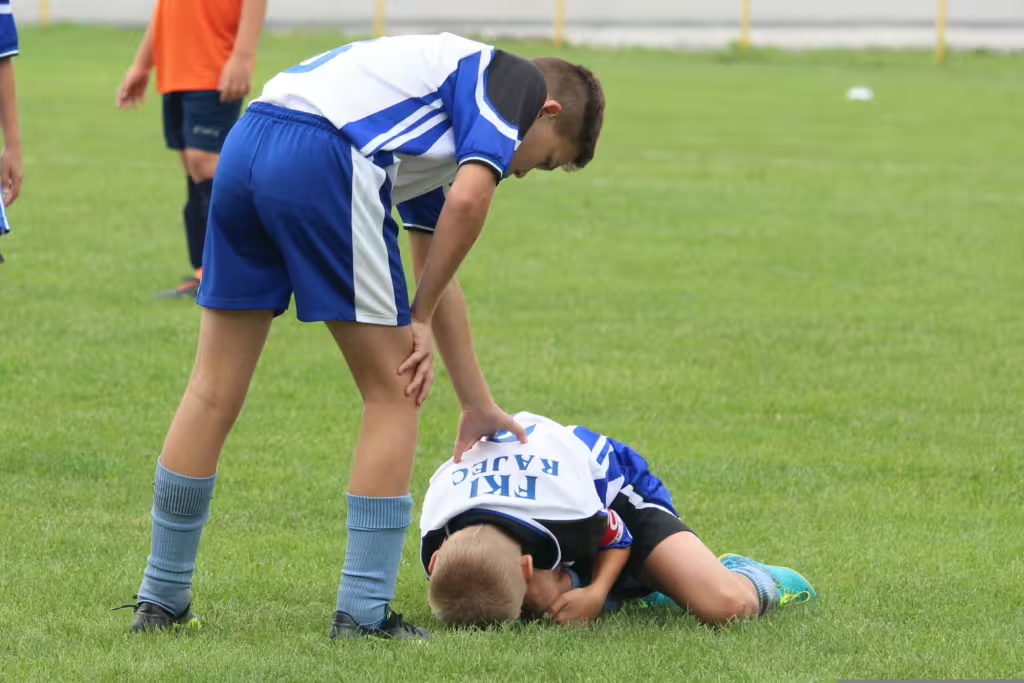
What Is a Concussion?
We touched on the specifics mildly earlier, but in essence, concussion is a type of traumatic brain injury caused by a blow to the head or body that causes the brain to move rapidly inside the skull. This brain buffeting can is temporarily affect brain function. Light sensitivity, sound sensitivity, speech problems, coordination problems, and many other symptoms can result from this type of injury and linger for a long while as the brain heals.
We should clarify, concussions don’t always involve a direct hit to the head. The injury itself might take place inside of the skull, but the concussion can occur when the body is hit so hard that the head snaps quickly forward or backward. Certain sports are more prone to concussion injuries; and they’re likely the one’s you’re already thinking about.
Football, hockey, lacrosse, basketball, soccer, and even cheerleading all see enough action that someone might end up concussed while playing. Nevertheless, even non-contact sports can involve falls or collisions that lead to the occasional concussion.
Signs and Symptoms to Watch For
Concussions, as opposed to external injuries that show bleeding, cuts of bruising right from the moment of injury, are not always immediately obvious. And even in cases where some signs appear right away, it could take hours or days for others to develop. This is why doctors always recommend a patient is diagnosed immediately after the injury occurs, just in case there is something more serious at work.
To that end, we recommend that parents watch for certain physical, emotional, and cognitive changes to be sure. Physical symptoms include, but are not limited to: headache or pressure in the head, dizziness, balance or coordination issues, nausea or vomiting, light and sound sensitivity, or blurred vision. Other cognitive symptoms typically include: confusion, difficulty concentrating, brain fog, slow speech, recall issues, or a mixture of anxiety, irritability, and other such mood swings. An injured person might also end up with disrupted sleep patterns; sleeping more or less than usual or suffering insomnia.
The point of all this being, if a child shows any of these symptoms after a hit or fall, they should be removed from play and evaluated by a medical professional at the earliest possible opportunity.
Why Concussions Are Serious
If you haven’t cottoned on to why concussions are so serious yet, then perhaps you need a bit more convincing. The brain is critical to all of a person’s biological and cognitive processes, especially if that person is still growing. Now, although many children recover fully from concussions, any injury that affects the brain is likely to affect any number of other facets of a person’s life.
This means that it is imperative that parents wait for their child to return to play only when they have been given the go-ahead by a doctor. to Returning to play too soon can increase the risk of further injury, including a rare but dangerous condition called second impact syndrome. This injury is exactly what it sounds like and it happens when a second concussion occurs before the first one has fully healed.
As we have seen from professional football players of the past, repeated concussions over time can adversely affect memory, attention, and emotional health. It is an injury that must be taken very seriously.
What Parents Should Do If a Concussion Is Suspected
If you suspect your child has a concussion, the best thing to do is stop play. Remove them from whatever activity they are currently engaged with and take them somewhere they can rest. The next step is to seek medical attention for them, preferably that same day. A healthcare professional can more accurately assess their symptoms and guide you towards their best path to recovery, than a Google search.
Once they are home, monitor their symptoms closely. Keep an eye on any worsening signs of concussion like headache, vomiting, or unusual emotional behavior or speaking patterns. Any change in their coordination could be a bad sign as well. In any case, the best course of action is to follow the recovery plan your doctor provided. These plans are usually individualized and based on the existing symptoms, so changes in the symptoms might require further intervention by the attending physician.
The Importance of Rest and Recovery
Rest and recovery are going to be the best way to get your child back up on their feet; not only physical rest but cognitive rest, as well. Anything that requires intense focus or undue stimulation like sports and screen time on a phone, computer, video game, or even a TV. If the symptoms are especially severe, we might even recommend they refrain from schoolwork; just let your child’s teacher know.
Nevertheless, as symptoms improve, it perfectly find to gradually re-introduce your child to their normal activities under medical guidance. Try and be patient. Recovery times vary and no matter how touch your child may seem, thye will need to heal. Remember the old adage “Rome was not built in a day.” The truth is, while some children feel better within a few days, others may take weeks to show any sign of improvement.
Preventing Concussions in Youth Sports
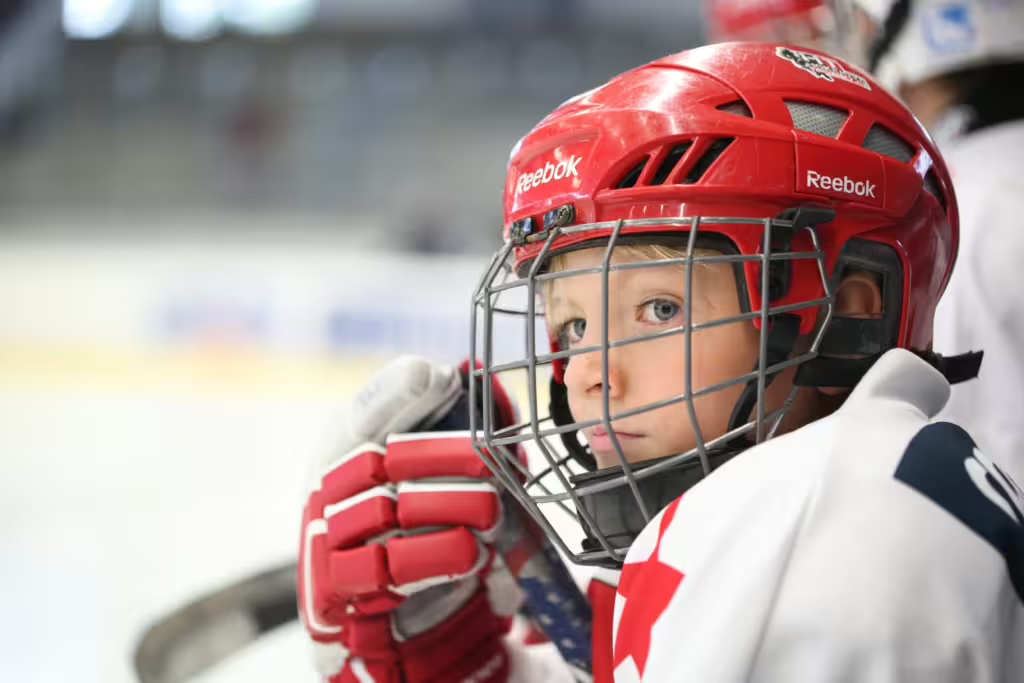
Accidents and injuries happen and despite proper equipment, safety procedures, and all manner of precautions, not all concussions can be prevented. That said, certain strategies can reduce risk. Well-fitting, sports-appropriate gear like helmets, mouthguards, and padding are all a great way to soften the blow, as it were. Also, let’s not discount the benefits of playing by the rules, adhering to safety precautions, and strength training; the latter of which can help improve neck strength, balance, and coordination in the long-run.
Cultured Athlete Says…
As you can see, concussions might be serious but they are manageable, so long as parents follow their doctor’s orders. Moreover, they are preventable, so long as the players and coaches do their part to adhere to proper safety precautions, rules, and medical guidelines. In the end, the goal of this article was not about preventing concussions but learning what to do when they inevitably happen.
Discover more from CulturedAthlete
Subscribe to get the latest posts sent to your email.