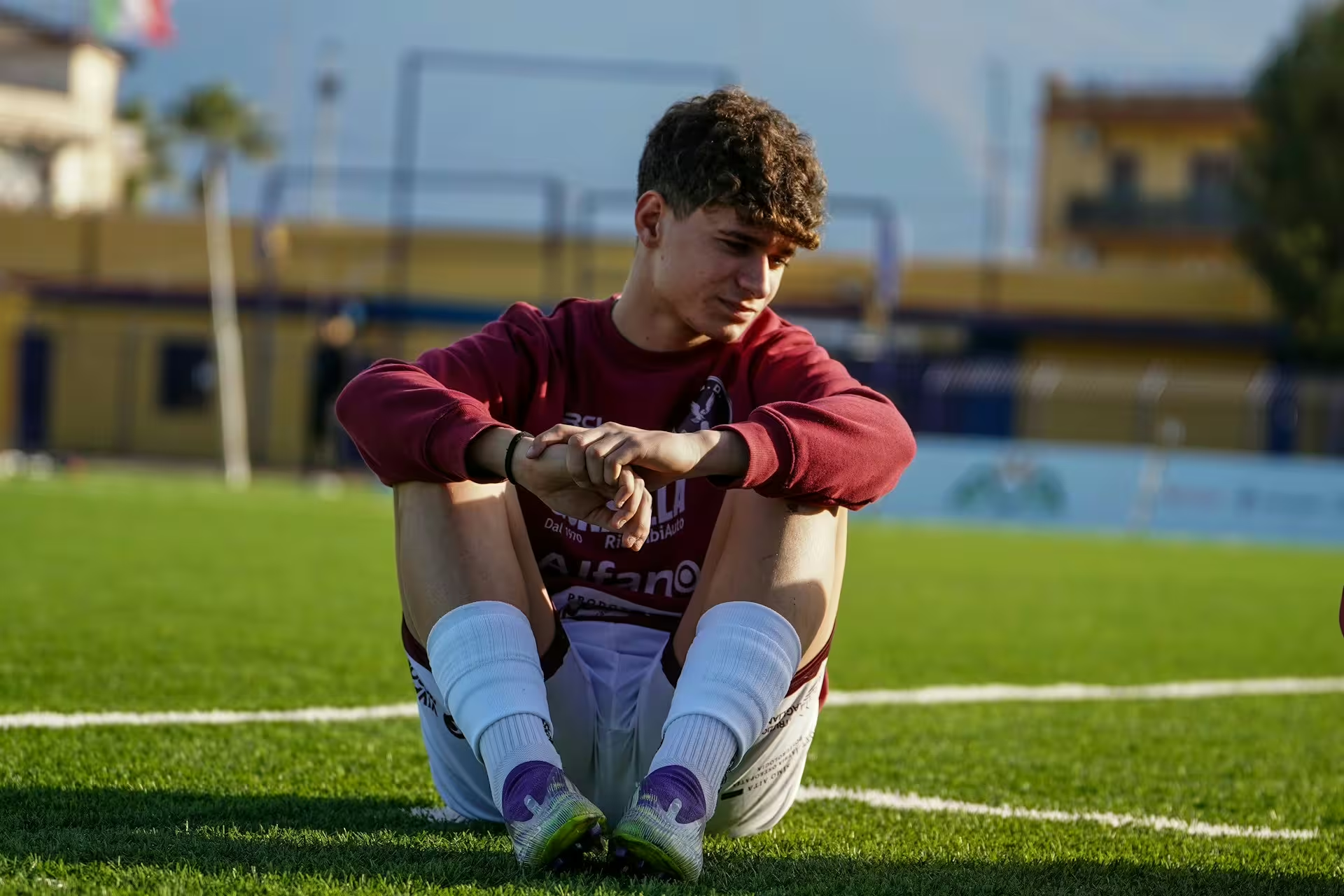
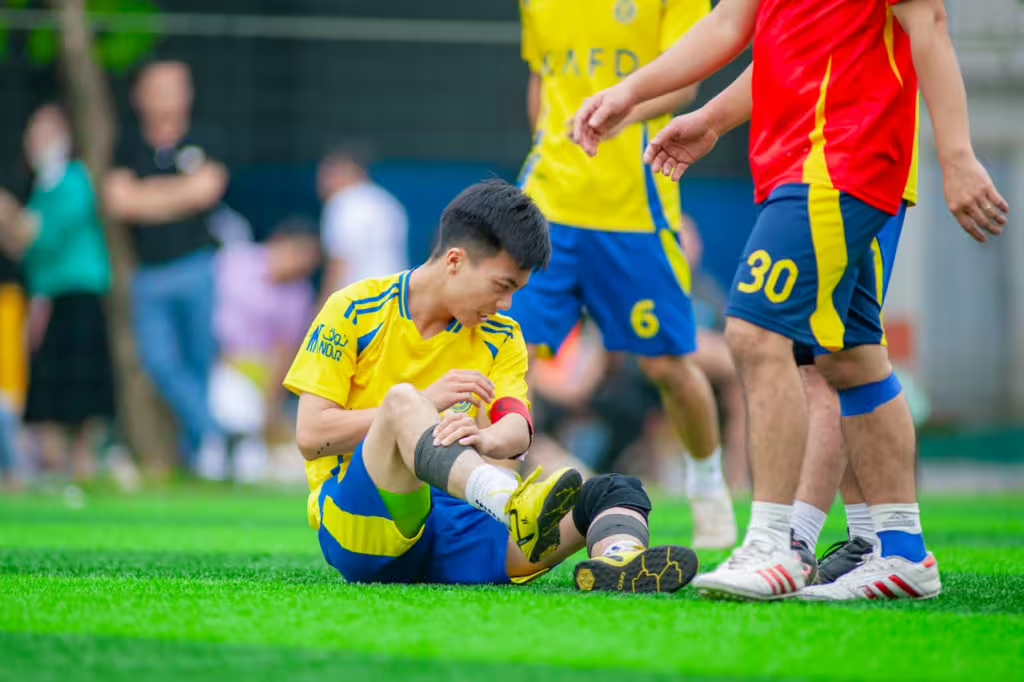

In youth sports, injuries are inevitable. Most of them tend to be minor; a cut, a scrape, a bruise, a strain; all of these are manageable and the recovery should be pretty brief. Other injuries are more long-term and serious; sprains, breaks, concussions, and the like, are all going to set an athlete back for a time as they recover. ‘
Still, these moments of upset need not be career-ending. Injuries, whatever their severity, are challenges, and challenges in sports are meant to be overcome. That’s not to say that they won’t shake up a young athlete’s confidence, slow their progress, or create emotional strife they will need to work through down the line, but they are hardly insurmountable.
Kids are nothing if not resilient and getting over sports injuries has ever been a reliable way to build up that resilience. That’s right! These difficult moments often create opportunities for young athletes emerge from injury not just healed, but physically, mentally, and emotionally stronger.
In this article, we will discuss some tales of sports injuries where the athlete did just that; emerged from their strife to become a better player and a batter person. Our hope is that, in understanding how kids overcome injury, we can help parents to properly navigate setbacks with patience, perspective, and purpose.
Everything on Pause
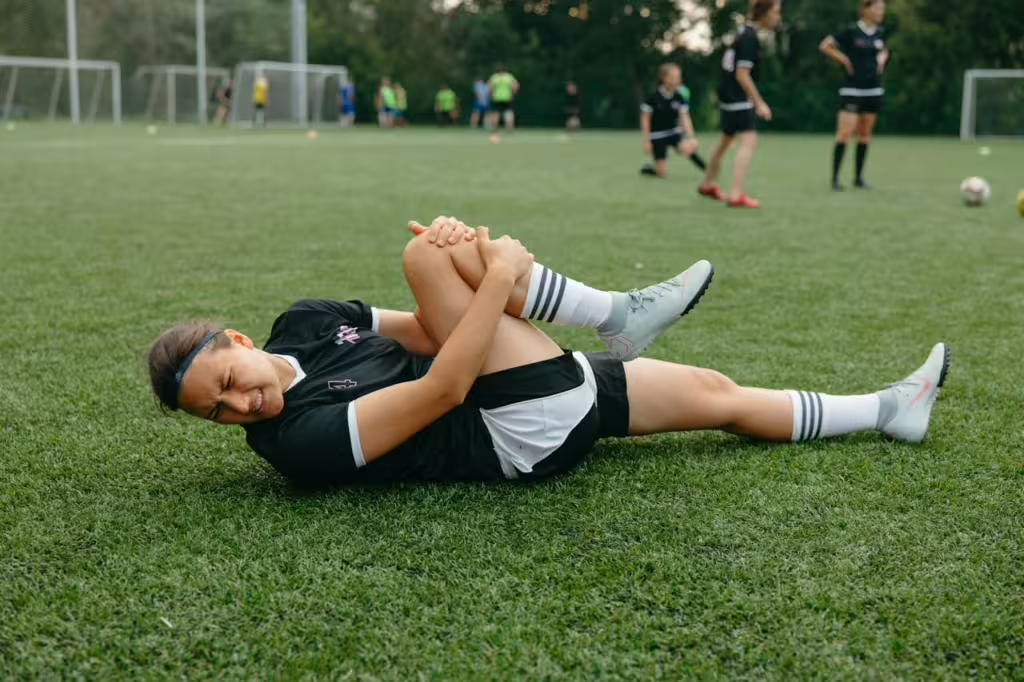
When a sports injury occurs, the world stops. The action stops, the game stops, and then, all of a sudden, coaches, parents, and officials rush to the aid of the injured party. The action notwithstanding, the end-result is usually the same for the injured young athlete, practices, games, and team routines disappear almost overnight.
At these times, it isn’t just the physical pain that wears on young athletes, it is the emotional struggle they face. They are understandably frustrated at their lack of activity and the progress they feel they are losing to their fellow athletes. They might be afraid of falling behind or worried they will never be able to return to play. For many kids, their identity is tied inexorably to their sport; they are a football player, a gymnast, a goalie. Without that, who are they?
Understand that these emotional responses are completely normal. As parents, we need to remind them that one injury doesn’t necessarily mean they need to lose this part of themself nor lose their self-confidence. Ultimately, the first step in recovery is recognizing that healing involves both body and mind and applying that as best you can in your talks with your children.

The Soccer Player
Take the story of twelve-year-old Mia. She loved soccer so much that she played it year-round and rarely missed a practice. During one game, Mia twisted her ankle while changing direction, spraining it and taking her out of the game for a time. She was obviously frustrated, worried she would moss a game or even lose her starting position. Either way, it wasn’t as if she could play for a while. She had some time to recover before the doctor gave her the go-ahead to rejoin the soccer team.
Instead of moping, Mia used the time wisely. She still attended practice, only this time, as an observer. As she watched, she picked up little things she’d missed while on the field, like positioning strategies, drills, and plays. She also supported her teammates from the sidelines. When she did finally return a few weeks later, it was with a deeper understanding and appreciation of the game and her teammates. She learned that some time away can alter perspectives enough to advance one’s learning and personal growth.
The Basketball Player
Ethan was a young basketball player who fractured his wrist during a fall. He spent weeks in a cast and his time away dealt a significant blow to his confidence. When he was back, he was hesitant about going after rebounds, he was less aggressive, and he worried that he might hurt himself again. In the end, it took some encouragement from his coach and some serious drilling to get his confidence back up to where it had been prior to the fall. Progress was slow, but small successes and patience helped him to learn to trust his body and his ability again. All he needed was time and a gentle push of encouragement.
The Runner
Lena, a middle school track athlete, was once sidelined for several weeks due to a mild stress injury. The time away disappointed her until her coach suggested some alternative training methods. The coach told Lena that swimming and strength training might be good stop-gaps during her recovery. That way, she could improve her core strength and flexibility, even if her endurance wasn’t being trained. The plan worked and when she finally returned to running, she was far more well-rounded as an athlete.
The Emotional Side of Recovery
Emotional support is going to be extremely important during your child’s recovery period, however long that ends up being. The loss of routine and anxiety they might feel being torn away from their favorite games and friends can be very disheartening. Parents can help in these situations by listening to their child’s concerns and validating their feelings. The best thing you can do as a parent is to encourage them to be patient and accept that healing takes time.
That said, it might also be helpful to stay connected to the team, even when your child is injured. Sure, they can’t necessarily play, but they can still cheer their friends on, celebrate with them, and be a part of the community. If time allows, attend games, let them watch practice sessions or scrimmages, and keep in contract with the coaches and teammates throughout the healing process.
Teaching Resilience Through Setbacks
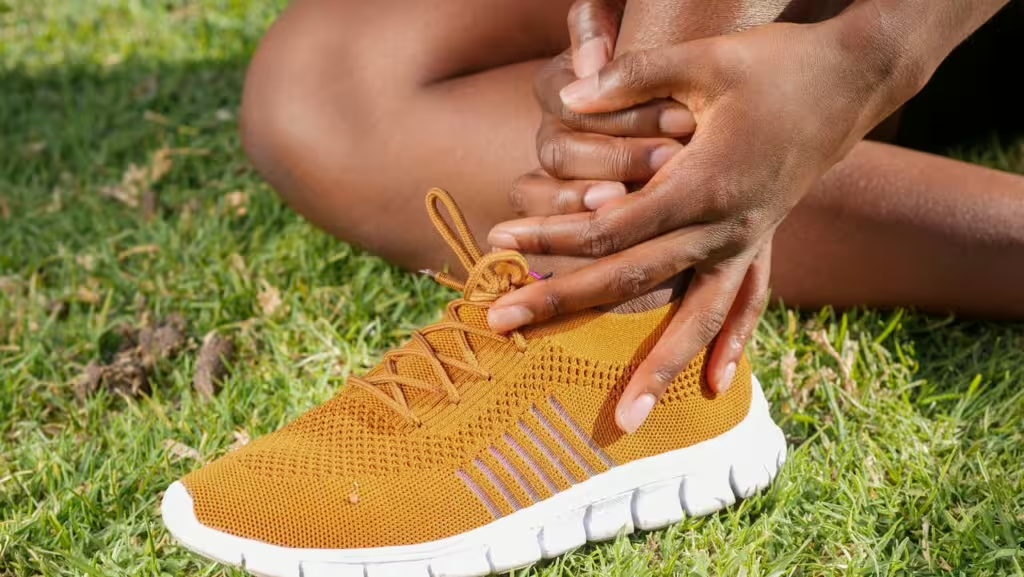
Injury can become a powerful teaching moment for kids. They learn that patience and perseverance are both vital tools for growth. There is also a measure of adaptability that comes with recovery. Obviously, injuries can upset plans, but just because plans change doesn’t mean progress has to stop; it just has to wait a bit. Kids are also taught to be self-aware about their bodies. They’ll feel if they are actually able to play and will learn when it is acceptable to do so, through medical guidance.
To that point, it is important that parents adhere to medical guidelines when it comes to their child’s eventual return to play. Injured athletes should, at a minimum, be symptom-free, at full-strength, and feel confident and pain-free enough to engage with their peers. Remember, the goal is not just returning quickly; it’s returning safely and successfully.
Cultured Athlete Says…
As you can see, injuries might happen but they are just as much a part of youth sports as losing. And while the lessons they impart can be painful and difficult, in many ways, they also offer rare and valuable opportunities for growth that go far beyond the sports field. The stories we’ve shared about the resilience of those few young athletes might be fictional but they are perfect for teaching children how they ought to respond to injurious setbacks. If you do find yourself having to regale your child with them, use them well, dear parents.
Discover more from CulturedAthlete
Subscribe to get the latest posts sent to your email.