
These days, the expectations set by social media put a lot of pressure on parents. Because we see our peers enrolling our kids in top schools, accredited programs, and popular youth activities, we sort of want the same thing for our own kids. The thing is, we get so caught up in the concept of “keeping up with the Joneses” that we forget everything we’re seeing on social media is just window dressing.
While it is true that choosing the right youth sports program is highly important to a child’s athletic development, this in no way means that it has to be the same “highly accredited program” that Karen Smith’s kids are involved in. What matters most is finding a program that leads with positivity. The right sports environment can build up a child’s confidence, help them to build friendships, and instill a lifelong love of physical activity. A poor fit, no matter how highly recommended it came, can lead to frustration, burnout, or a loss of interest altogether.
In this article, we will teach parents how to see past the unreasonable expectations set by internet window dressing so that they find the right youth sports program for their kids. There are many options available, from recreational leagues to competitive travel teams, so knowing what to look for and which to weed out, can make all the difference.
Start with Your Child, Not the Program
Before we even begin to compare certain leagues or teams in your area, it helps to step back and consider your child. Their needs, personality, and goals are what should inform your decision, so you need to ask yourself a couple important questions:
-Is my child new to sports or already experienced?
-Do my child prefer fun and social interaction or competition?
-How does my child handle pressure and feedback?
-What is my child’s current schedule and energy level?
Try and remember, even if a program works well for one child (your Facebook rival, for example) that does not mean that it’s the right fit for your child. This is why we recommend keeping a pulse on your child’s temperament and interests. Knowing what they like and keeping that knowledge at the center of the decision will ultimately lead to better long-term outcomes.
Coaching Philosophy Matters Most
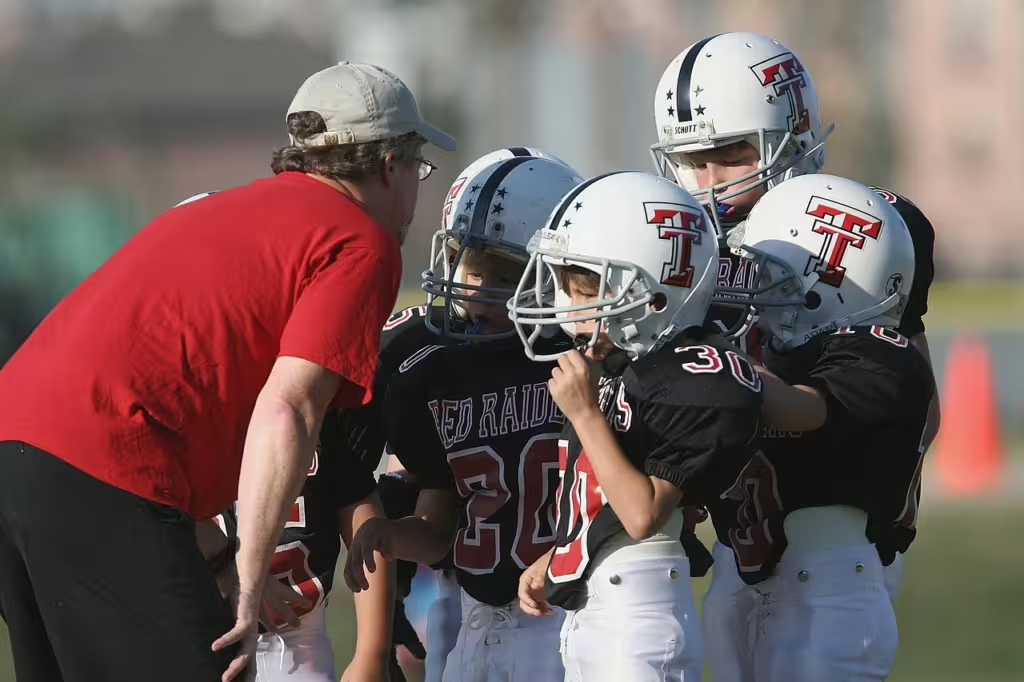
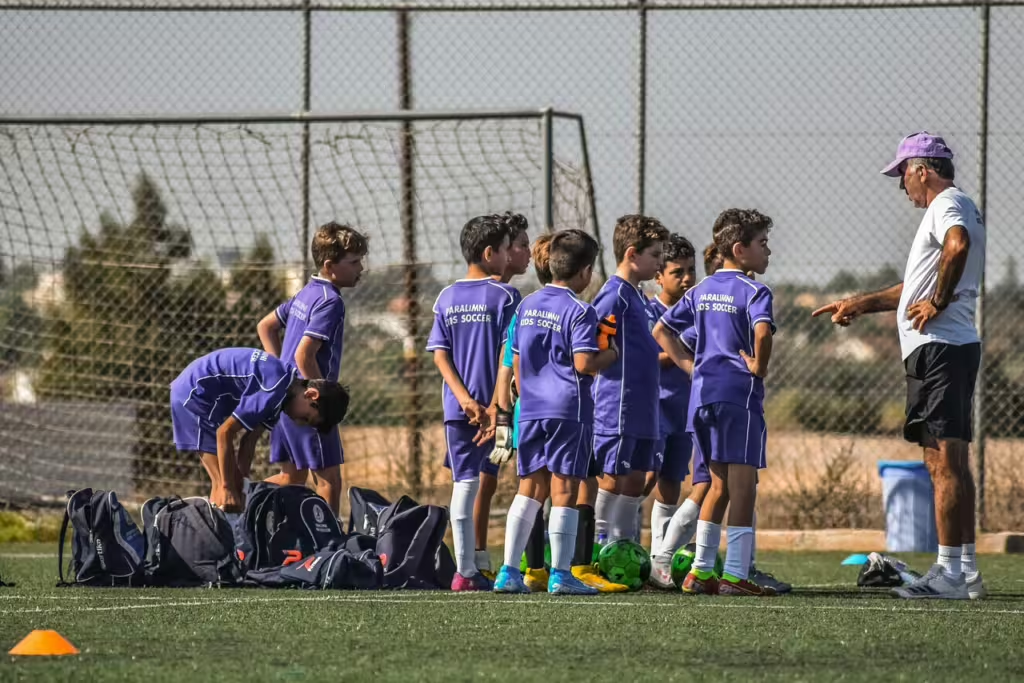
For good or ill, a child’s coach will invariably have a serious impact on a child’s sports experience. In many ways, this person has the greatest influence on that experience. This is why we recommend looking for coaches who focus on positive, long-term outcomes, rather than those who do little but count their accomplishments.
A strong youth sports coach tends to focuses on skill development over winning. They will encourage their players to work together, exercise restraint, good sportsmanship, and teamwork. They will be a positive voice, offering constructive feedback on their players’ performance.
Not sure if you can tell this from a one-on-one interview with a prospective coach? Don’t fret! Many parents take time to observe practice so they can learn how the coach interacts with the children. If they communicate positively and respectfully, emphasize effort, and support all players, regardless of skill, then they are one of the good ones.
Safety and Organization
Safety is always top on the list of parental concerns and for good reason. Safety should always be a top priority in any youth sports program. This means seeking out programs that have properly trained coaching staff, as well as properly-maintained safety gear, equipment, and facilities. The program should also have clear injury protocols, meaning that the coaches are trained in first aid, at a minimum. The best programs may even have medically-trained staff present during all practices and games.
Team Culture and Environment
The social environment of a team is also important. Parents should pay attention to how players interact with each other and with their coaches. They ought to encourage one another, be inclusive, understanding, and respectful. Any negativity can crush a child’s interest, whether that comes from a coach or other kids on the team. If your child comes back from practice complaining of favoritism or excessive criticism on the coach or players’ parts, it might be time to find a new program. A supportive team culture helps children feel comfortable, valued, and motivated to participate.
The Cost of Youth Sports
Youth sports are expensive; there’s no getting around it. That said, the cost of youth sports can vary significantly depending on the level of competition and resources required. Parents pay for registration fees, equipment, uniforms, travel costs, and tournament fees; among other things. But it’s important to note that just because a program costs more, does not mean it is a higher quality program. The value you get from investing in your child’s athletic future is determined by how positive their experience is, not just what material the uniforms are comprised of.
Opportunities for Growth
A good youth sports program should provide opportunities for children to grow over time. Those that allow kids to explore and develop their skills, improve through practice, and graduate to more advanced levels are good indicators of solid programs. Martial arts are a great example of this because children often practice with others at different levels, making their own personal journey but seeing how others have accomplished their goals before them. In this way, they can see the rewards of progress.
Communication with Parents
Clear and consistent communication is a sign of a well-organized program. Parents should seek out programs that provide schedules in advance and keep them updated regularly. We know some parents can be overly complaintive but programs should nevertheless offer opportunities for parent feedback. Ultimately, open communication helps prevent misunderstandings and ensures that parents feel informed and involved.
Cultured Athlete Says…
As you can see, evaluating a youth sports program is about far more than looking into what everyone else is doing. At it’s core, it’s about choosing an environment where your child can grow, learn, and enjoy being active. We have seen that the best programs prioritize development, safety, and positive experiences over early competition or pressure; both of which can be tell-tale signs of an unhealthy cultural mindset.
The most fitting youth sports programs create spaces where children feel supported, challenged, and excited to participate. Therefore, the goal for parents is to avoid overly competitive programs, whilst simultaneously avoiding their own competitive nature to “keep up with the Joneses.” Where a certain “top-rated” program might be perfect for your high school acquaintance’s little brat, that doesn’t mean it will be a healthy or enjoyable choice for your child. Every kid is different and so, finding a sports program that fits your child’s needs and interests should be your paramount concern.
Discover more from CulturedAthlete
Subscribe to get the latest posts sent to your email.