

While most of our content is focused on younger children, every once in a while, we shift the goalposts, so to speak, to discuss teenage athletes. After all, they might think that they’re all grown up, but our teens are still very green when it comes to the game of life, and some first-time parents are just as green about how to handle these hormonal antagonists.
For many teens, sports are life. Not only do they invest more into them emotionally, they also tend to invest more time into practice, games, and travel tournaments. For some, the competitive edge takes over and so, as teens learn to take greater ownership of their time and choices, sports ends up becoming a major priority. For parents, the teen years can feel like a turning point and a struggle, as we too learn how best to help them navigate this new stage of life and new priorities.
In this article, we will discuss youth athletics as they pertain to a child’s teenage experience. At the same time, we will explore how sports can be a framework for building routines, discipline, and decision-making skills that our kids will then carry with them into their adulthood.
Why the Teen Years Matter
Few of us remember the beginning stages of adolescence fondly…It’s no wonder, as this tends to be a period of rapid physical, mental, and emotional growth. All of those things put together make for a rough time of it. Still, as kids transition to teens, they also begin to develop some essential elements of their personalities. They form independent habits, make more of their own choices, and learn a good deal about what they want for themselves.
And as much as we parents have to sometimes bring their more absurd or grandiose desires back to Earth from time to time, the transition to teenager is still an ideal time to establish positive, life-enriching habits. Sports are good for this as they provide needed structure during this transitional stage, helping teens balance their responsibilities while staying active and engaged enough to work out those surging hormones.
Building Consistency Through Routine
One of the most valuable aspects of youth athletics for teens lies in its inherent consistency. Regular practices, training, and games help kids to develop routine and responsibility. Over time, these habits help kids to show up on time, prepare themselves for various activities, and follow through on their commitments. This might not seem like much in the moment, but we adults take those things for granted.
Moreover, these types of good habits can translate into other areas of life, such as education, relationships, personal responsibilities, and eventually in professional environments. Considering how “all over the place” some teens feel during their hormonal changes, this consistency can be quite grounding.
Physical Health and Fitness
At its core, youth athletics is meant to promote good physical health. We all know that sports helps kids improve their muscles, bones, balance, coordination, and cardiovascular health, but did you know that those health benefits go a long way towards supporting lifelong healthy habits? Just as when our kids learned that sports were fun in their childhood years, they continue to foster that positive relationship with physical fitness.
Developing Self-Discipline
Many youth sports naturally encourage discipline in young people. As teens, their new sense of self and awareness means that they can more fully comprehend the connection between what they put into a thing and what they get out of it. Obviously, this lesson extends beyond athletics into the academic and professional realms, but it can be used in the home too. Self-discipline is an eminently transferable skill.
Time Management Skills
Balancing a teen’s schedule is difficult enough for parents, but we can usually handle it. Fortunately, their newfound sense of responsibility might mean that they can learn how to do it themselves. That’s not to say that balancing school, sports, and a social life can be challenging for teens; but as they begin to plan schedules, prioritize their responsibilities and leisure activities, they learn to make time for everything they can. There are 24 hours in the day after all, and time management is essential for academic and personal growth.

Healthy Lifestyle Choices
Participation in sports often encourages teens to make healthier choices about what they eat, adequate hydration, and how much sleep they get. Learning about the importance of these healthy habits and putting them into practice can foster good behavior and help them get back on track when they inevitably slip in the future. Parents can reinforce these habits by modeling healthy behaviors and providing guidance when needed.
Mental and Emotional Well-Being
Sports can have a significant impact on a teen’s mental health. They learn how to manage the pressures of academic expectation and social dynamics, not to mention the expectations inherent to sports. Fortunately, for the most part, athletics provide kids with a positive outlet for stress and a sense of camaraderie with their peers; most of whom are in the same rocky, emotional, hormonal boat. It’s a leaky lifeboat, but they can bail it out together!
Social Development and Relationships
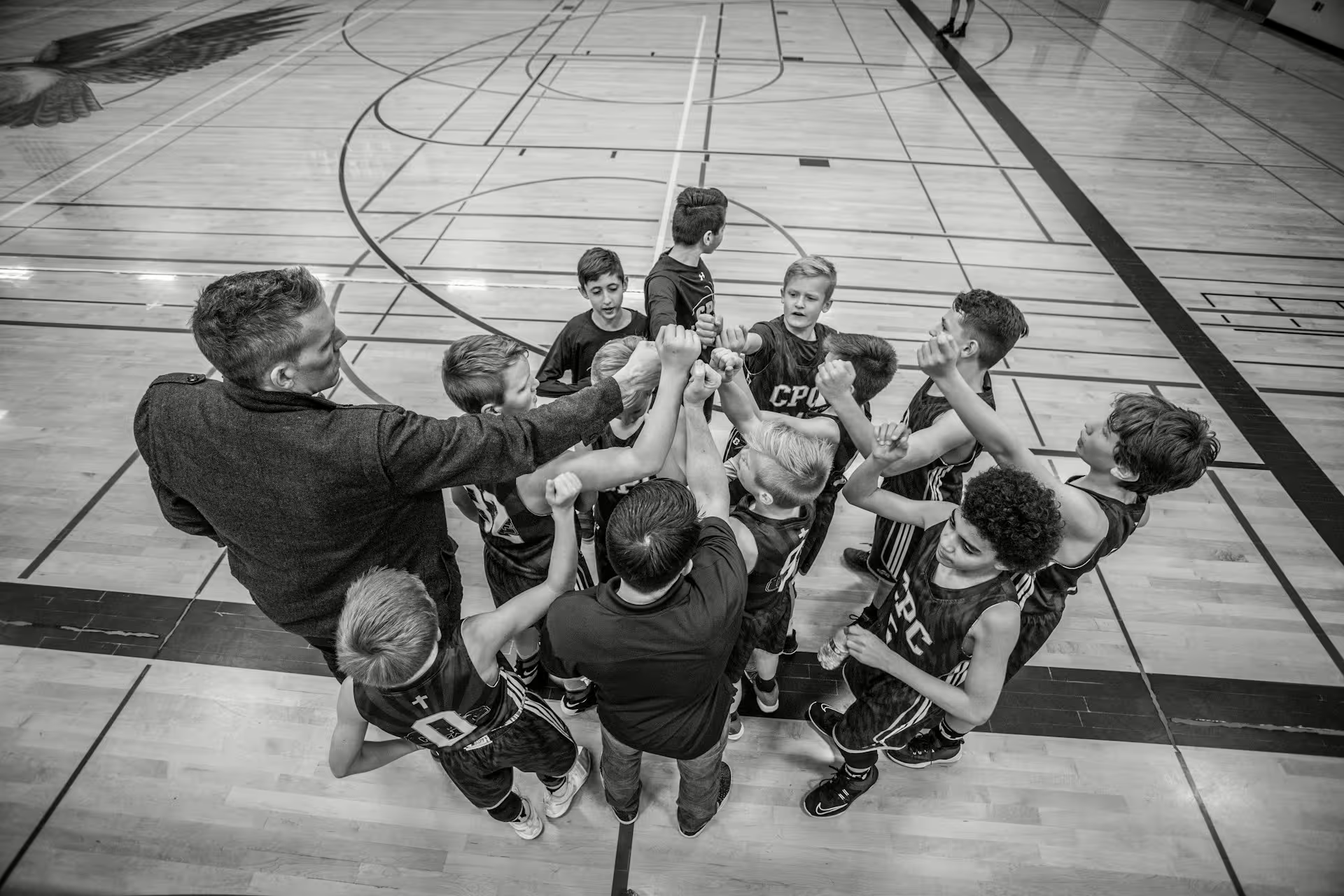
In the same vein, athletics provide opportunities for teens to build relationships with one another. They can work as a team, learn to communicate with peers and people of authority, and develop a sense of trust and hierarchy. Such interactions help teens develop social skills that are important in all areas of life. Also, some of the friends they make on the teen sports field, will end up being true friends for life.

Cultured Athlete Says…
As you can see, the brief period that children spend doing youth athletics is where they learn the skills and emotional tools to take them through their teen sports years. By now, you’ve learned that those teen years are about competition, but they also represent a chance for teens to build on existing habits that support physical, mental, and emotional well-being.
As parents, we may feel the need to lean into that competitive aspect of teen sports, but we should temper that with the same encouragement and balance we tried to utilize during our chidrens’ formative years. After all, sports may be the key to a teen’s college career, but they are also supposed to be fun, and so many of us end up forgetting that once our kids enter their teen sports phase.
In the end, the most important outcome is turning our teens in confident, capable young people who understand how to care for their body, manage their time, and approach each challenges with enthusiasm.
Discover more from CulturedAthlete
Subscribe to get the latest posts sent to your email.