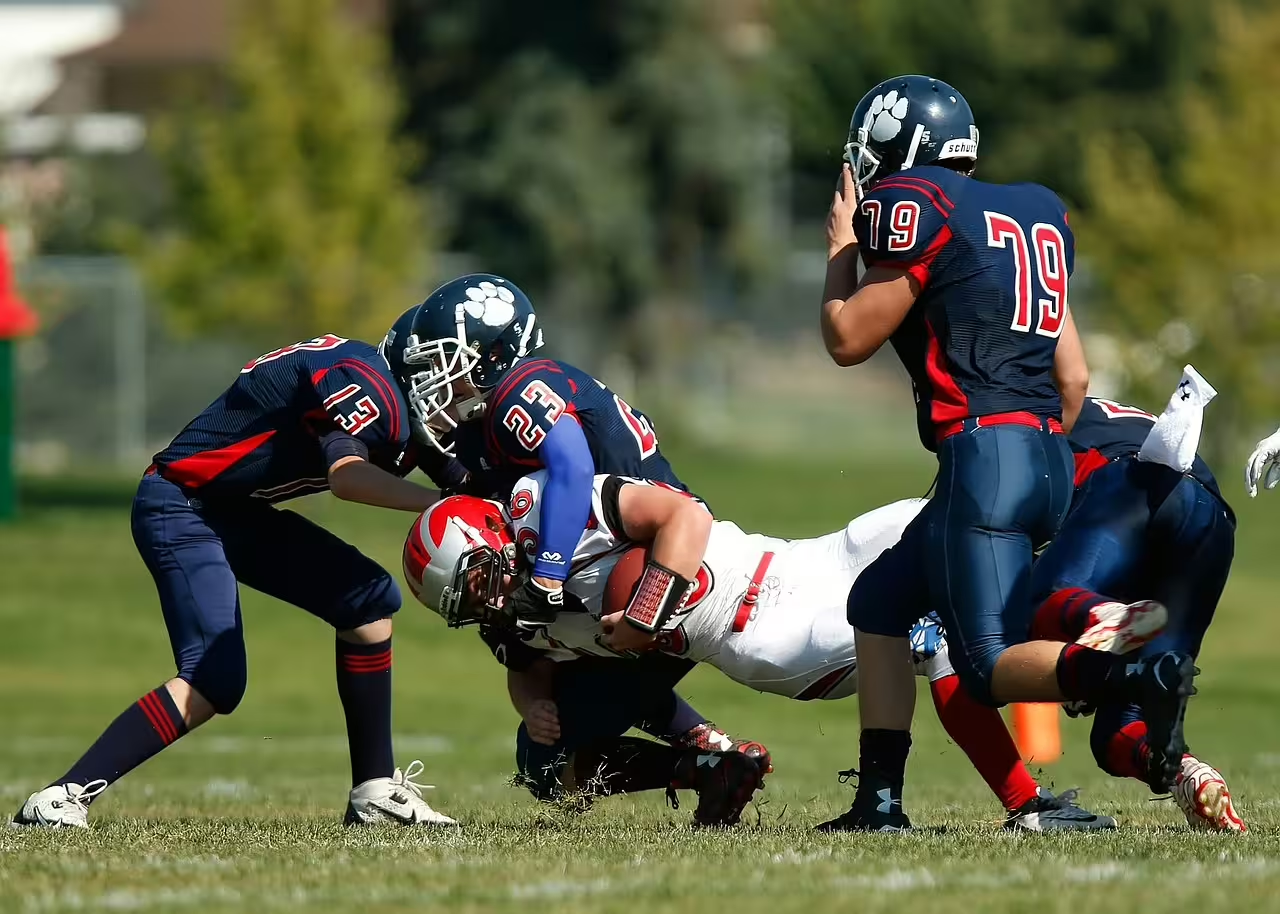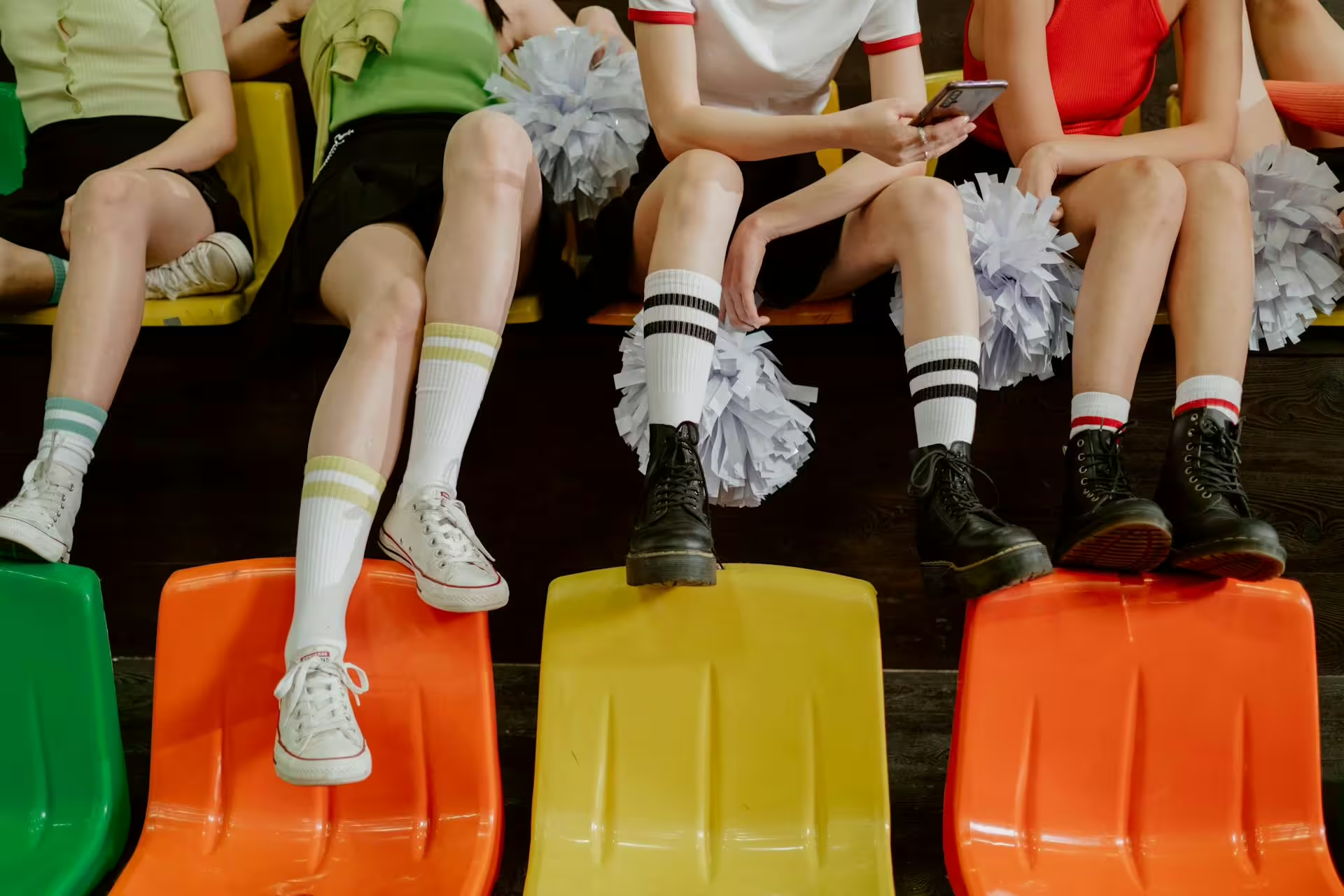
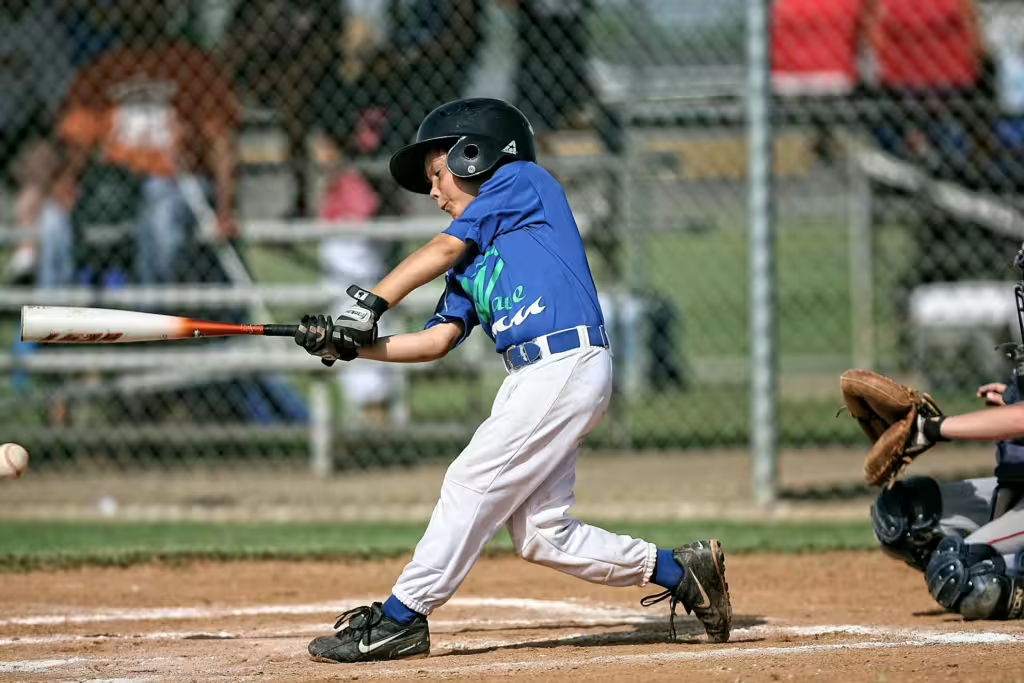

The collective memories that many of us share about our bygone days of youth sports are a mixed bag, to say the least. Chances are good that we either loved or hated playing sports as kids; often in equal measure. And yet, most of us agree that the time we spent playing youth sports was indeed time well spent. Lessons were learned, friends were made, and for good or ill, those experiences helped shape us into the people we are today.
This is why many parents sign their own children up for sports, in the hopes that that experience will enrich their young lives. At the very least, playing sports should help them to stay active, make friends, learn the value of teamwork, and find out what their own personal strengths and struggles might be. These are all fine benefits that children can glean from playing sports, but one of the most powerful benefits of modern youth sports goes far beyond physical fitness.
Indeed, when structured thoughtfully, youth athletics can help children develop emotional resilience; in essence, the ability to adapt, recover, and grow from challenges. And frankly, in a world filled with academic pressure, social media comparisons, and fast-paced schedules, resilience may be one of the most important life skills we can teach our children. Sports provide a natural, real-world classroom for that growth.
What Is Emotional Resilience?
Emotional resilience doesn’t have a blanket definition. It can take many forms and be different for many different people. In essence, however, emotional resilience represents the ability for a person to handle setbacks without giving up. It lets them manage frustration and disappointment; in this regard, how it pertains to sports. Emotional resilience gives us the ability to recover from mistakes and stay motivated when we are challenged, but it also allows us to adapt to change. This latter benefit might be the most important when it comes to children…who as we all know are famously adaptable to even the most minuscule of alterations.
We joke, of course, but the key thing to understand is that resilient children don’t avoid difficulty or shrink from change; they learn how to face it, process it, and move forward. Interestingly enough, modern youth sports environments are uniquely positioned to nurture this ability. This is likely because coaches, parents, and adult sports experts tend to prioritize development over performance in the modern age.

Learning to Lose (and Win) Gracefully
Losing happens, especially in sports. And even if your child is a savant or prodigy, they are going to lose a match here and there. This is one of the first emotional lessons children encounter in sports and it’s also one of the most important. They need to learn that no team wins every game. No athlete performs perfectly every time.
When a child misses a shot, strikes out, falls during a routine, or loses a match, the disappointment can be devastating, but because is it experienced in a controlled setting, it is also way more manageable. With supportive coaching and parental guidance, these difficult moments can become opportunities to teach a child about emotional regulation, perspective, and can help them develop a growth mindset.
These days, sports leagues are emphasizing post-game reflections for their players. Rather than placing blame on a single athletes’s missteps, coaches may instead ask players what they felt, what they learned, and what they would try differently next time.
It should be noted that winning, too, requires resilience. Helping children to learn the value of humility, sportsmanship, and respect after finding success is a great way to help them keep their expectations and emotions in balance.
Managing Performance Pressure
As enlightened as today’s youth sports landscape might seem, it can also be just as competitive as it was back in the day. Travel and club programs are particularly rife with this type of performance pressure. Now, when it is unmanaged, that pressure can be overwhelming, however, moderate, age-appropriate challenges help children build coping skills.
When kids prepare for tryouts, tournaments, or championships, they learn about preparation, setting goals, setting expectations, shaking off pre-game nerves, and most importantly, about how to perform under pressure.
The Role of Positive Coaching
Modern coaching education has evolved significantly from the gruff, questionable coaches that many of us remember “fondly” from our own youths. This is because many modern sports organizations are training their coaches in emotional intelligence, communication, and child development. Today’s coaches are more apt to give constructive feedback, encourage effort, and reinforce the values of teamwork and respect.
Building Grit Through Practice
Resilience isn’t built in the dramatic moments. It grows through consistent exposure to small challenges, i.e. practice. It may not happen overnight but in the weeks they spend learning the skills they need to succeed, they learn much about resilience. Through practice children learn to repeat difficult skills until they become second nature. They push through temporary frustration in a way that eliminates that frustration on game day. They learn to accept criticism and make corrections that improve their skills. And finally, they are working towards long-term improvement.

Emotional Regulation in Action
Sports is fun and exciting, challenging, and emotionally diverse. As such, playing sports can result in a host of emotional highs and lows. A buzzer-beater shot, a last-minute goal, or a close race can trigger intense feelings. Emotions can be a lot for children to keep a leash on, especially when they are young, but resilience can help them regulate them quite well. Learning to stay focused, composed, or calm during moments of difficulty or overstimulation can help them do better later in life.
Resilience Beyond the Field
The resilience children build in sports often carries into other areas of life. They can do better in academics, navigate friendships, manage the ever-mounting amounts of social pressure placed on young people, or prepare them for future responsibilities. Think about it this way, when a child learns they can survive a tough loss, improve after failure, and recover from mistakes, they internalize a powerful belief: “I can handle hard things.”
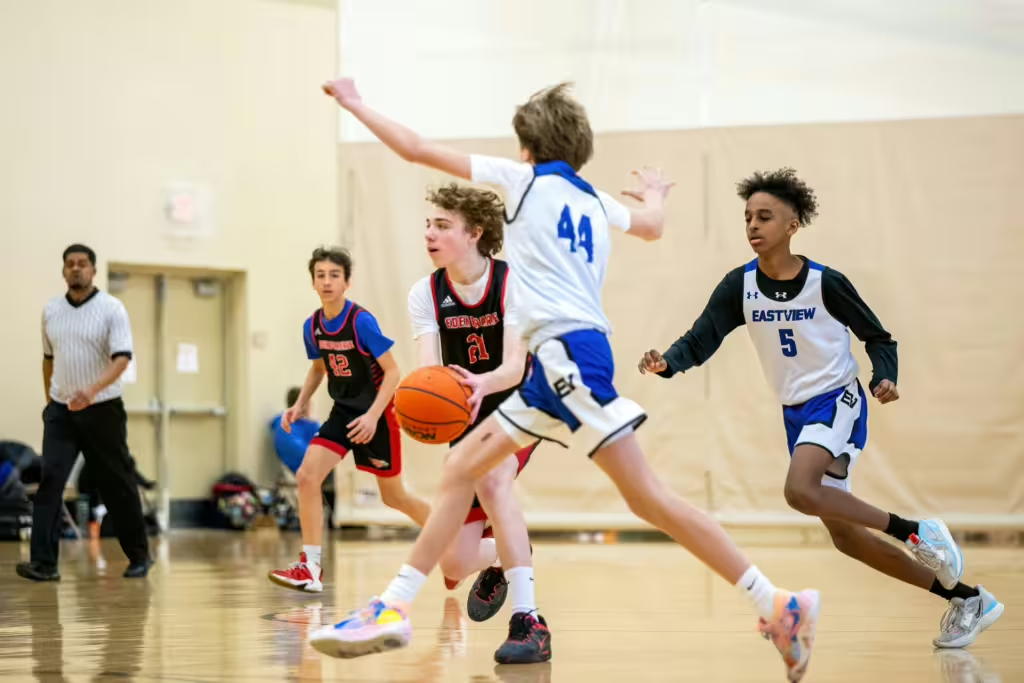
Cultured Athlete Says…
As you can see, modern youth sports is not just about college recruitment, but about teaching children how to cope with the emotional highs and lows that come from playing the game itself. Resilience is a valuable tool for young people to take with them into the real world and sports provides them with a structured environment where they can safely experience challenge, disappointment, effort, and triumph.
In the end, we must remember that the goal isn’t to eliminate struggle. It’s to guide children through it and help them come out better on the other side. As more and more modern sports programs learn to emphasize growth, teamwork, and character, they become one of the most effective tools for building emotional resilience in our next generation of players.
Discover more from CulturedAthlete
Subscribe to get the latest posts sent to your email.