
These days, everyone and their doctor (go figure, right?) is talking about the value of getting proper hydration. As such, we here at Cultured Athlete figured that we would be remiss in our duties if we did not speak on the subject at length. The health benefits of being properly hydrated are well-known, for adults, at least, but how exactly does being hydrated positively affect a child’s athletic performance?
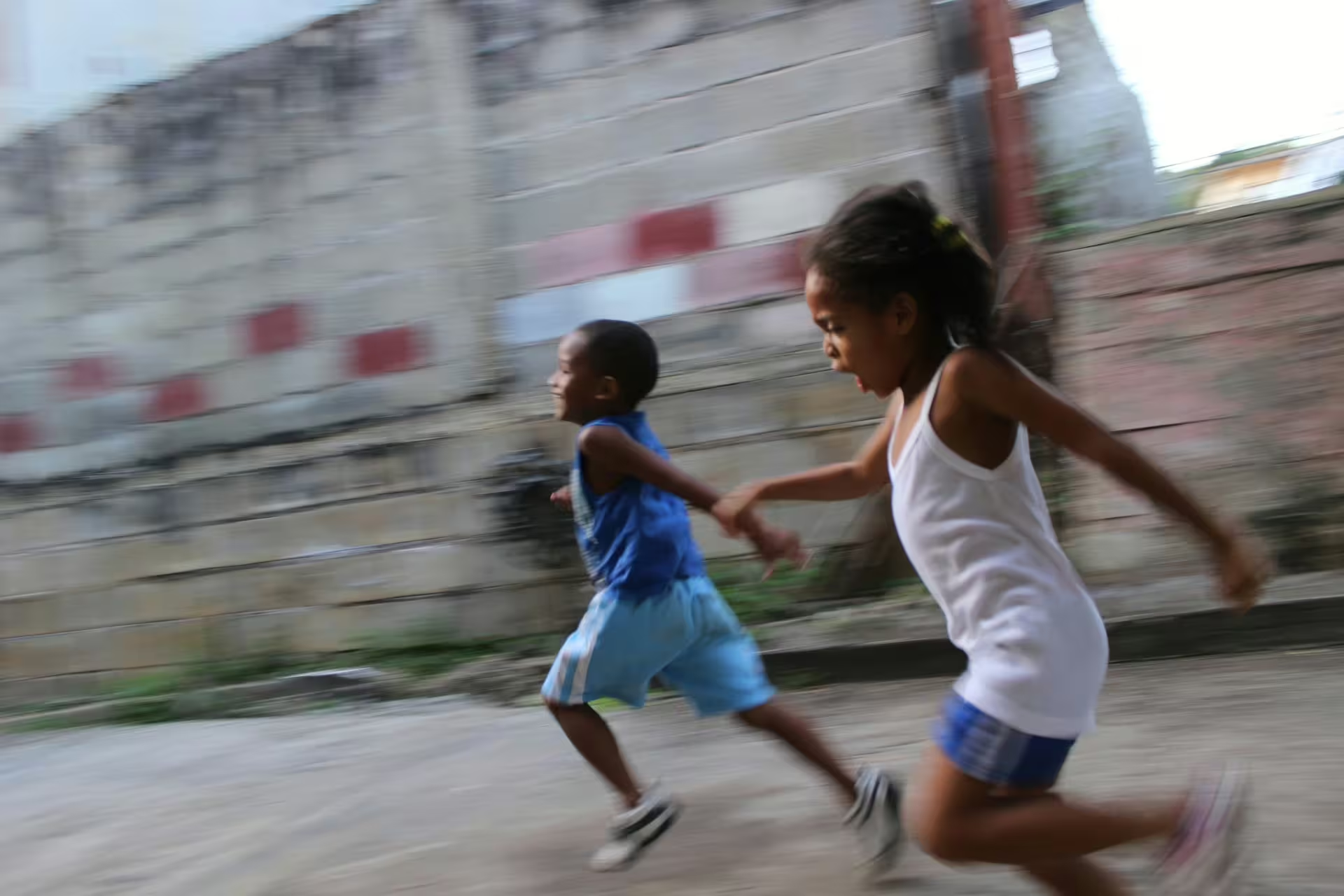
It doesn’t matter what type of sports activity your child is doing, their bodies are still working hard. To us parents, it might seem like their speed and boundless energy is having little effect on their level of hydration, heck we might not even notice them sweating right away, but trust us, they’re tuckering themselves out. Biologically, the process of sweating is pretty easy to to understand. Physical activity increases heart rate, raises body temperature, and causes the body to lose fluids through its pores. Voila! Sweat.
As important as it is, proper hydration often goes overlooked by parents, coaches, and kids themselves even though it is vital to proper sports performance and safety. In this article, we aim to remind parents about the importance of proper hydration. At the same time, we will teach parents and children how to make hydration a simple, consistent piece of their child’s athletic routine.
Why Hydration Matters for Young Athletes
In the hustle and bustle of our modern lives, we often forget to drink water. Oh sure, we drink coffee, pick up a boba, grab a soda or an iced tea if we’re feeling parched; but for at least a couple generations there, many people sort of just forgot that we, as a species, could drink “just water.” If we have to blame anyone for this, it could probably be the soft drink companies, though they changed their tune when they found out they could sell water by the bottle at a premium rate some years later. Still, that’s neither here nor there.
Water plays a critical role in nearly every function of the body. This makes sense, as the human body is some 60 percent water. It’s essential to maintain normal homeostasis, without a doubt, but it is also helpful during exercise. When we exert energy, proper hydration helps regulate our body temperature, maintain blood circulation, and support muscle performance.
Dehydration, therefore, is a big issue that can impact our overall athletic performance and our health. And while most of us eventually realize we’re thirsty and take a drink, kids aren’t as intuitive about their body’s needs. This makes them particularly vulnerable to dehydration, though there are other reasons.
You ever notice how warm your child feels, even when its chilly out and you, yourself are wearing a throw blanket around the house? Kids tend to have a higher core temperature than adults and their bodies heat up faster during physical activity, making it easier for them to dehydrate.

Signs of Dehydration: What Parents Should Watch For
When children do not drink enough fluids, they may experience fatigue, headaches, muscle cramps, brain fog of problems concentration, and slower reaction times. All of this combined can increase the risk of injury, which is why it’s imperative that parents learn to recognize the signs of hydration from afar.
These warning signs may include:
- Dry mouth or lips
- Dark yellow urine
- Dizziness or lightheadedness
- Unusual fatigue
- Complaints of headaches
- Muscle cramps
Also, look for kids who appear unusually flushed, nauseous, or confused. In these severe cases, coaches and parents should insist that the child stop all activity immediately. The next step is to move the child out of the sun and to a cool environment. Then, of course, have them drink fluids, but slowly, so as to not overwhelm them.
How Much Water Do Young Athletes Need?
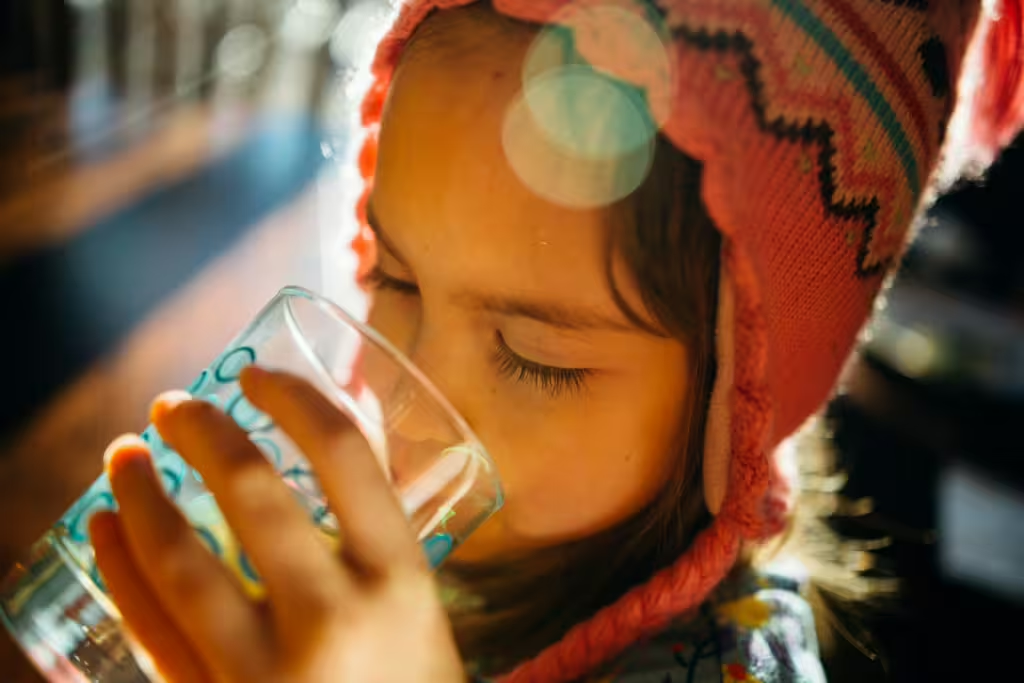
The amount of fluid children need depends on certain factors; age, activity level, temperature, and the intensity of the ensuing exercise should all be taken into account. However, general guidelines exist that can help families establish good hydration habits. The best bet is to have kids drink water about 30 to 60 minutes before practice or a game. They should also take water breaks every 15 to 20 minutes throughout the game, even if they don’t feel thirsty. Those small sips add up to a lot in the long run. Finally, when the game is done, they should recover lost fluids by drinking a decent amount of water, albeit slowly, to rehydrate.
Water vs. Sports Drinks
What if your kid doesn’t like water, though? You may ask. Well, there are other options…though water is generally considered to be the best choice. Sure sports drinks are fine and are especially helpful when a child needs to be rehydrated fast, but water is the best bet as it contains no additional sugar, chemicals, or calories; as so many sports drinks often do.
That said, sports drinks may become useful in specific situations, such as long bouts of play, in times of high heat and humidity, or when tournaments occur that take a whole day. Such drinks generally contain electrolytes like sodium or potassium, both of which help replace minerals that may have seeped out when sweating. Ultimately though, for younger athletes, water should remain the primary hydration source.
Making Hydration a Habit
Parents can encourage the healthy habits of hydration by packing a refillable water bottle for schools and sports play. This is common practice by now in most circles, so this should be an easy habit to form. At the same time, parents should be comfortable reminding their kids to drink before and after play. Modeling good hydration habits oneself is also a good way to show children how it’s done. And sure, lots of us like a soda or a latte now and then, but we should show them that choosing water over sugary drinks is the best course of action. Just drink your soda on your off-hours, parents!
Hydration and Nutrition
Hydration is closely connected to overall nutrition and that’s good, because many common childhood favorite foods naturally contain water. Watermelon, oranges, strawberries, cucumbers, yogurt, and grapes are all fantastic healthy snacks that can help rehydrate a tired, little body. Including these foods before or after practice can help support hydration while also providing important nutrients for growing athletes. This is why many a soccer mom is known to carry around orange slices for the team!
Cultured Athlete Says…
As you can see, hydration might be more serious than we usually consider it to be, but it’s also one of the easiest things to fix in terms of building healthy habits. Teaching kids to drink water before, during, and after physical activity is a great way to get them used to the concept on a daily basis. The doctors were right, as it turns out, healthy hydration habits improve a child’s focus, support muscle function, and help them feel and play at their best.
Discover more from CulturedAthlete
Subscribe to get the latest posts sent to your email.