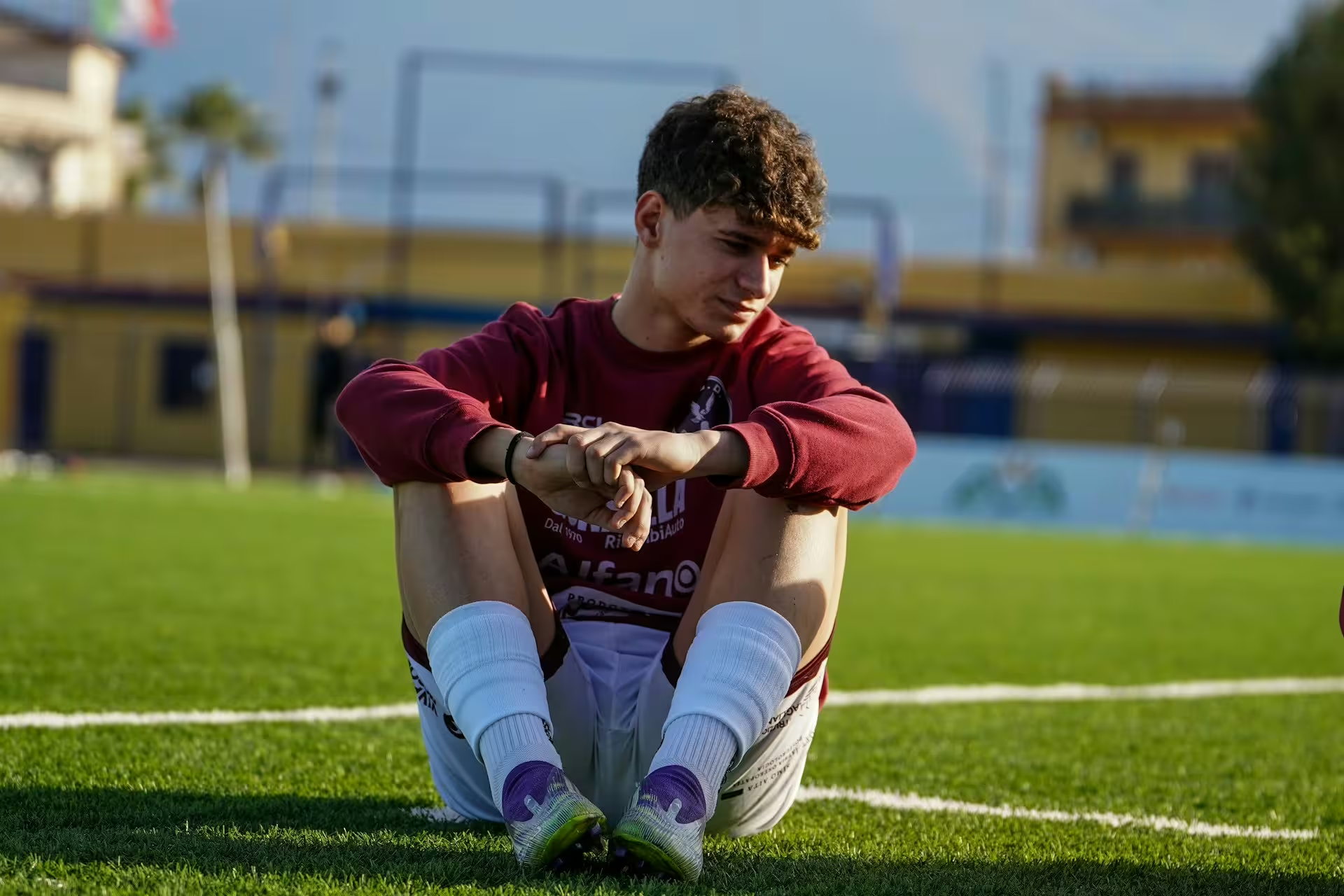
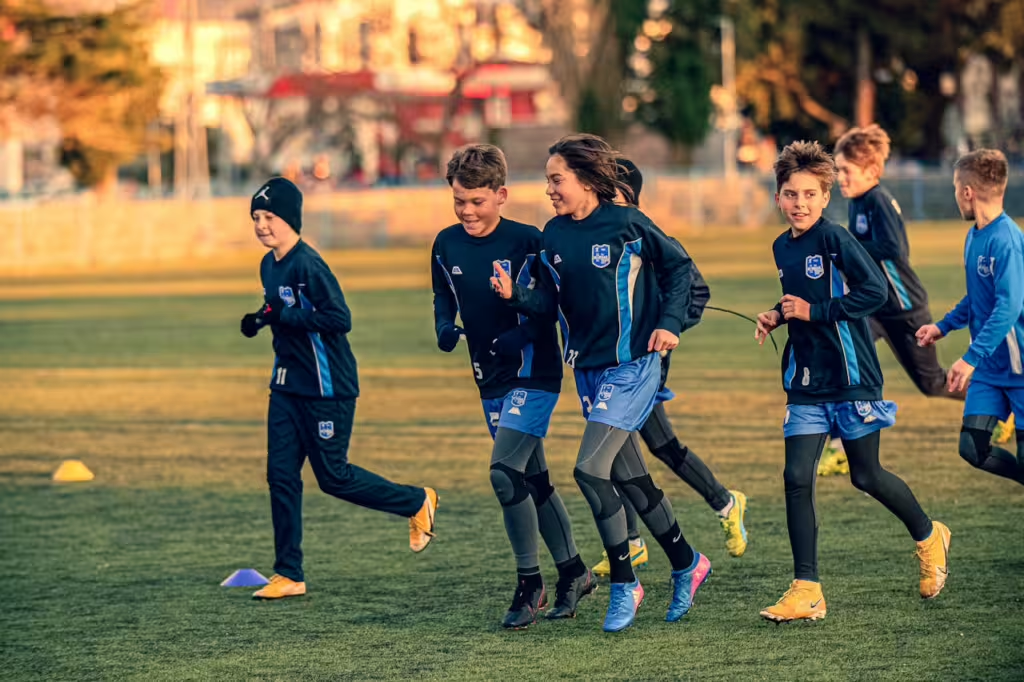

There’s an old saying, “he who hesitates is lost.” It’s a poignant proverb because it essentially means that delaying one’s actions, whether due to fear, uncertainty, or a lack of confidence, can have disastrous results. Now, when it comes to youth sports, hesitation isn’t a life or death situation, but it is antithetical in many ways to showing or building one’s confidence.
Nevertheless, hesitation is a part of learning. Children hesitate because they lack confidence and it often seems that the only way they can avoid doing so is to finally do the thing they’ve been so nervous to do in the first place. Seems impossible, no? Well, the good news is that, every so often, that child gains enough confidence to push past their hesitation. It’s not always dramatic or noteworthy from the outside, but inside, an essential shift has occurred.
In those moments, everything changes for that child. Confidence in children often takes a while to surface but it can arrive in a single practice; provided that parents, coaches, and teammates offer the right encouragement. At the same time, the stars must align and the child needs to come to the simple realization: “I can do this.”
In this article, we will help parents to understand to initiate such an occurrence. This is, by no means a guarantee of making them happen but a guide on how to help create the kind of environment where they’re more likely to occur.
Confidence Isn’t Just About Skill
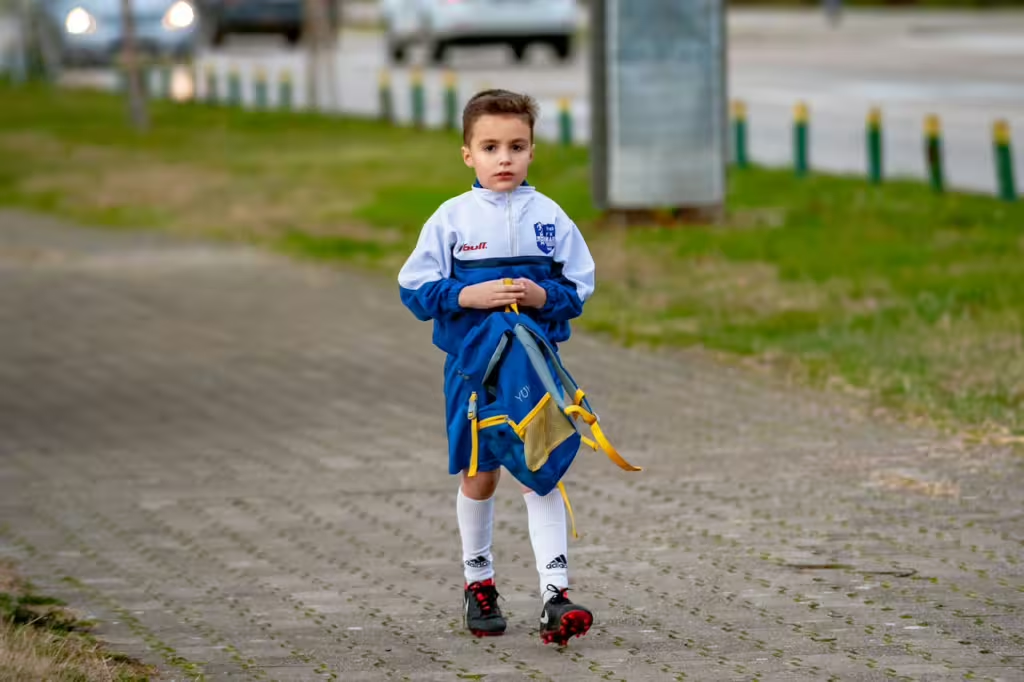
It’s easy to assume that confidence comes from being good at something. In sports, we measure that in the usual moves; score a goal, make a shot, win a race and confidence follows. But for most kids, especially beginners, confidence isn’t just not inherent, it might not even arise from these typical sports benchmarks.
In fact, confidence begins to build much earlier and much more quietly. Kids build up confidence in small ways, even from the moment they learn to stand on their own, walk, or eat with a spoon. When they feel safe enough to try a thing and supported enough to fail at it. When a child is seen for the effort they put in and not just the results, they gain confidence.
That First Breakthrough Moment
Imagine if your child has been struggling with something as simple as, catching a ball. For weeks, at practice, they’ve missed more than they’ve caught and it’s begun to effect them. Perhaps they’ve started to hang back during drills and are increasingly more unsure of themselves.
Then, during one practice, something changes and clicks into place. Perhaps it was as simple as the coach slowing things down for the practice. Maybe a teammate had kind words of encouragement to offer. Heck, maybe that pep talk in the car actually got through to them. Whatever the reason, they reach out with their baseball mitt and boom! the ball sticks. This is a small success to any onlookers but for your child, it’s everything.
That seemingly innocuous catch represents a turning point in their mind that says: “I can do this.” And after this moment, perhaps, everything will begin to shift for them. Knowing they can do it and that they are capable, can be a true catalyst for personal growth.
Why One Practice Can Matter So Much
Children are, for lack of a better term, short-sighted when it comes to belief systems. One misstep, in their mind, can mean: “I’ll never get it right.” A few negative experiences can even lead to them exercising negative self talk internally. And since kids often build beliefs about themselves quickly, ideas of: “I’m not good at this,” “I don’t belong here,” or “Everyone else is better than me” can be wholly detrimental to their self word.
Then again, the reverse is also true. Indeed, one positive experience, say, a successful practice, can interrupt that narrative and replace it with something new and positive. This is why we framed this article with the idea that a single practice can feel so important; because it can! It doesn’t just change how we see our child’s performance; it changes their perception of that performance. And in the end, their perception of themselves and their ability can shape everything about their life that follows.
The Role of Coaches in Confidence
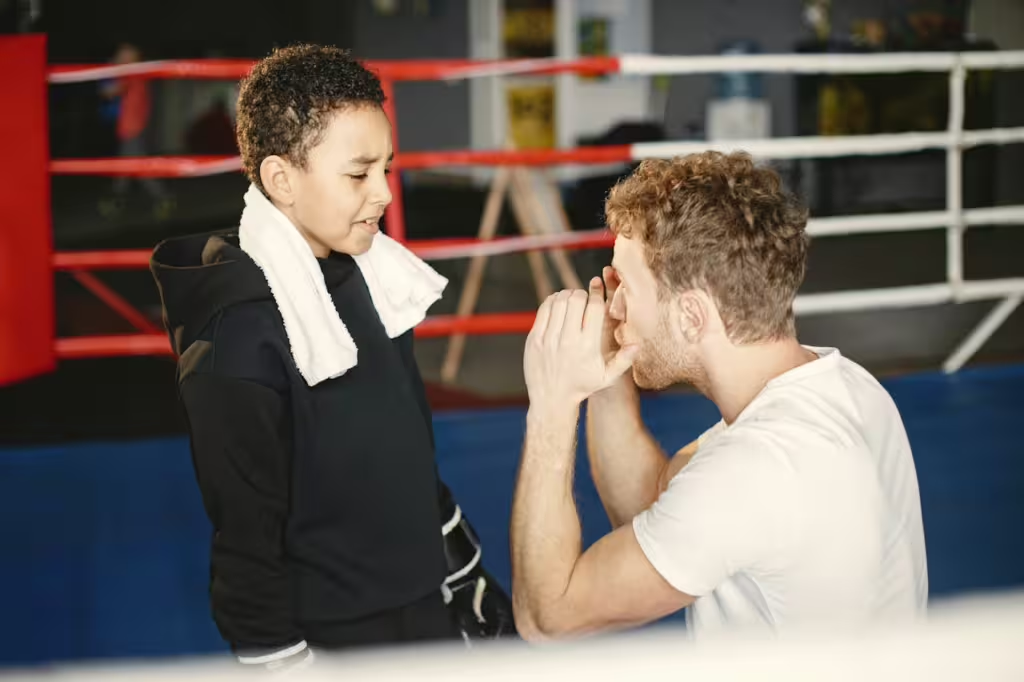
Coaches are often the catalyst for breakthrough moments like these. The best, most effective youth coaches understand that confidence grows through experience, not by putting undue pressure on already pressured kids. This is why effective coaches endeavor to create environments where kids feel comfortable trying, even if they’re unsure of themselves.
These coaches tend to break up skills into manageable steps, offer specific positive feedback on an individual basis whenever possible, and encourage effort rather than strive for perfection. Their aim is to give every child the chance to succeed and offer meaningful feedback to help them achieve that success. Celebrating effort can help even the most skeptical child find their inner athlete.
The Parent’s Role in the Breakthrough
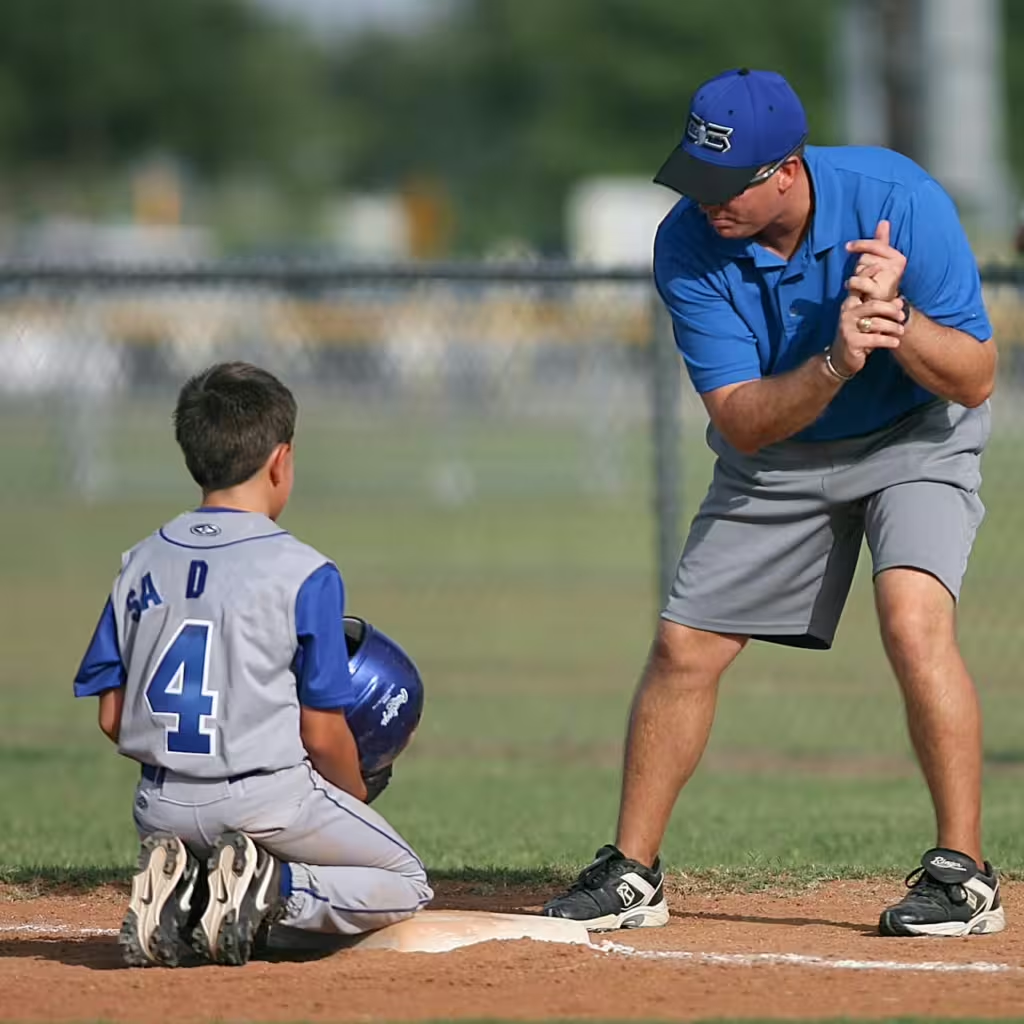
While coaches guide the practice and have a hand in a young athlete’s confidence on the field, parents shape how children process the experience afterward. Think about what you plan to say to your child in the car on the ride home. Focus on their feelings, ask them about what they experienced. Ask things like:
- “What was your favorite part of practice?”
- “What felt easier today than last time?”
- “Did you try something new?”
These types of questions will help you child to reflect on their progress and recognize their own growth, without needlessly harping on the “results” of the practice. Even a simple compliment like, “I saw how hard you worked today,” can reinforce a shaken confidence.
Creating the Conditions for Confidence
In the end, we all know that we can only lead a horse to water, we can’t make it drink. And so, we can’t force a kid to feel confidence or have that all-important confidence-building moment. That said, we can help create the conditions where it’s more likely to happen.
Look for youth sports programs that emphasize development over competition and provide supportive coaching. Find sports where the staff that encourages participation for all skill levels and creates a positive, inclusive environment for all athletes, regardless of skill level.
At home, support confidence by keeping the sports activity an engaging, fun time, encourage practice without putting extra pressure on them to succeed, and as ever, allow your child to progress at their own pace. Remember a child’s confidence grows best in environments where that child feel safe, supported, and free to try…and free to fail.
Cultured Athlete Says…
As you can see, finding confidence can be a long journey for some children and while it’s easy to focus on seasons, scores, and long-term development, the most essential moments can occur in the space of a single afternoon. In the moments where a child realizes they are capable, where they turn all that effort into success, no matter how meager. In those moments, confidence begins to bloom and it can take them anywhere they want to go, on or off the sports field.
As parents, we want our children to be happy and successful and oftentimes, those end results come from them having confidence in their own skills, physicality, intelligence, and in their intuition. We can help them to build this by giving them the support they need and introducing them to environments where that confidence can come naturally, through small, meaninful moments.
Discover more from CulturedAthlete
Subscribe to get the latest posts sent to your email.