
Homeschooling is something of a hot-button topic these days. There are generally two schools of thought regarding it; you either heartily approve of it or you don’t think it’s such a good idea. Fortunately, we’re not here to discuss its benefits or shortcomings, we’re here to help families with homeschooled children to learn how to navigate the world of organized youth sports.
For many homeschooling families, education isn’t just about books, lessons, and curriculums; it’s about making sure their children get the right amount of physical activity and social interaction they need to function outside of a homeschool environment. In public school settings, physical education classes and organized sports help to facilitate these latter concerns, but what happens when there is no school team for a homeschooled child to join?
The answer, of course, is a homeschool sports league. Such leagues are designed to provide athletic opportunities for children who are educated outside of traditional school systems. They function similarly to traditional school sports, offering structure, competition, and community, while still maintaining the flexibility that homeschooling families value.
In this article, we will help parents to understand how homeschool sports leagues work. That way, parents can decide if these options are the right fit for their child.
What Are Homeschool Sports Leagues?
Homeschool sports leagues are similar to community or private organized athletic programs, only these are created specifically for homeschooled students. They can take many forms, from casual recreational groups to highly competitive teams.
Homeschool sports leagues typically offer the same things as other sports leagues. Kids attend regular practices and games. Programs are usually separated into age-based of skill-based divisions. Finally, they offer myriad opportunities for kids to both team and individual sports.
As far as associations go, it should be noted that not all homeschool leagues operate independently. Some actually partner with local schools, community centers, churches, or other private organizations. In the end, the goal is the same, to provide homeschooled children with access to sports in a way that fits their nontraditional educational lifestyle.
Why Homeschool Sports Leagues Exist
In most cases, traditional school sports programs are tied to school enrollment. This, in and of itself, is what makes participation particularly challenging for homeschooling families. To counter this, many homeschooling communities have developed homeschool leagues that fill the gap. These programs are ties to the community and offer flexible scheduling, allowing children to experience all the benefits of sports, without needing to be enrolled in traditional school.
Types of Sports Offered
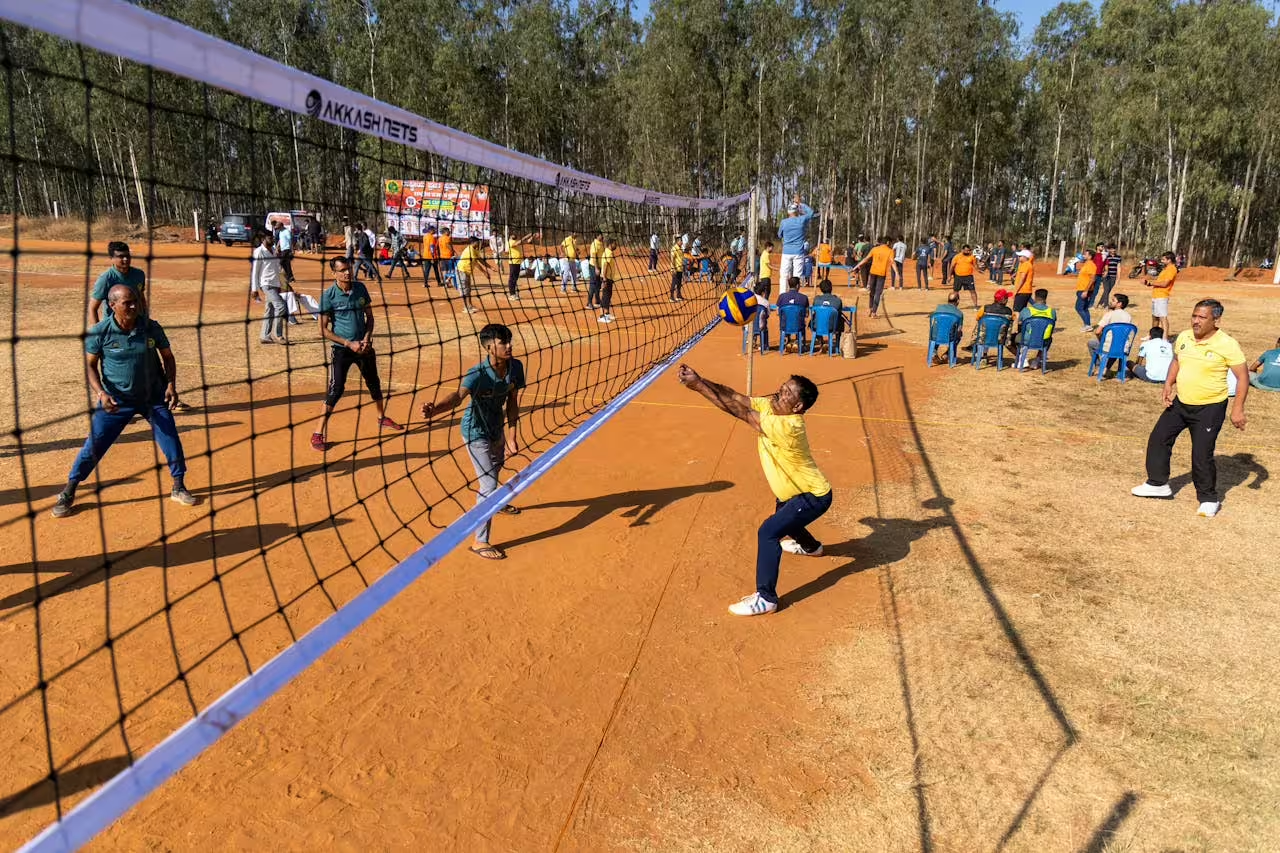
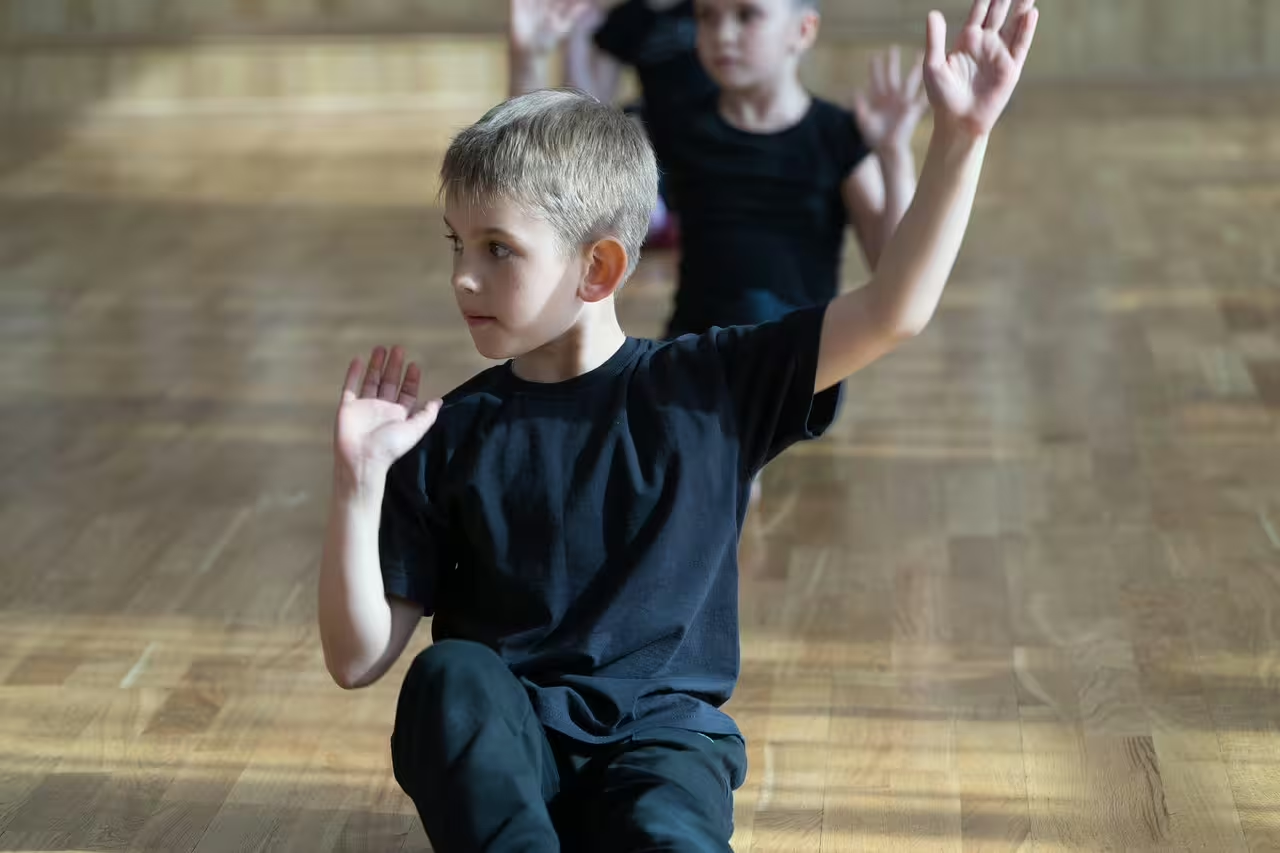
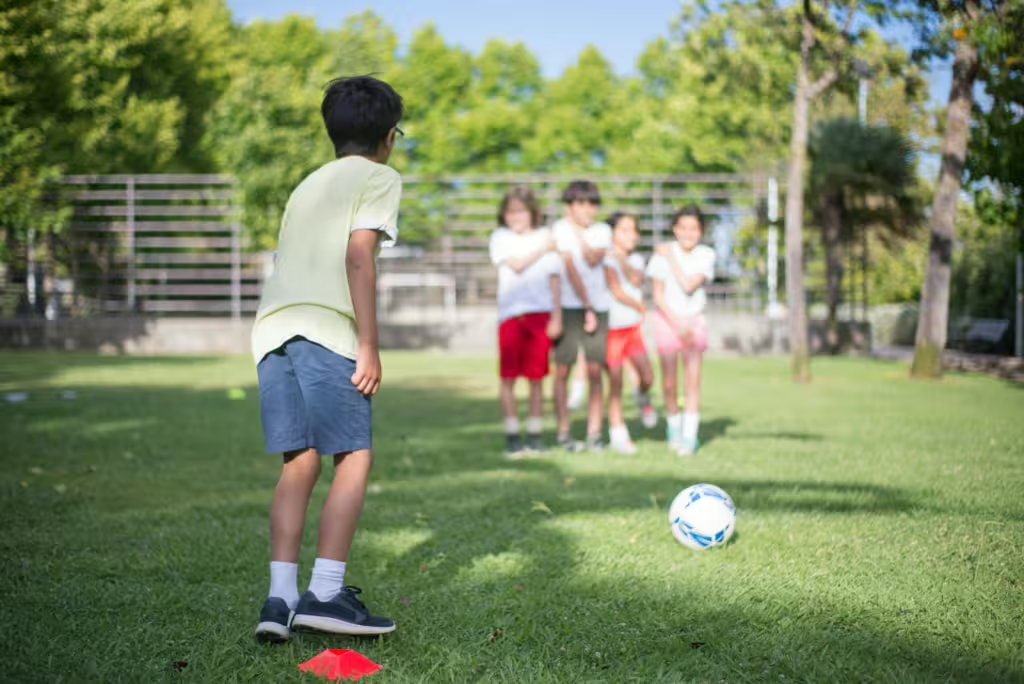
Homeschool sports leagues aren’t limited at all in terms of the types of sports the offer. The most common options are the same as in most youth sports organizations and school sports leagues. Kids can play soccer, basketball, baseball, softball, volleyball, track and field, even cross country. Additional offerings include martial arts, tennis, gymnastics, and swimming. Obviously, the availability of sports has to do with the state, town, or otherwise local homeschool community.
How These Leagues Are Structured
Homeschool sports leagues vary in structure, but many follow a similar format. We broke them up into the two main types of leagues for reference, but it’s really up to the parents to judge which format fits best with their child’s desires.
Recreational Leagues
Recreational homeschool sports leagues focus on participation and skill development. The tend to put the emphasis on fun and learning, and often require a lower time commitment. They also tend to be more flexible about scheduling.
Competitive Leagues
Competitive leagues, meanwhile, tend to be more structured and performance-focused; similar to the competitive sports leagues run by traditional school organizations. They require greater commitment and hold regular games and practices. Kids are often required to travel for competitions and tournaments with other homeschool sports organizations.
Scheduling Flexibility
One of the biggest advantages homeschool sports leagues hold over tradtional school sports has to do with their flexibility. Homeschool families often have more control over their schudles day over day, so practices may be held at odd hours. They might do it weekday mornings, rather than afternoons, or in the evenings or even on weekends. Such flexibility allows parents to coordinate and balance academics, sports, and other aspects of homeschool life. In addition, this flexibility also allows children to train or use facilities at hours when they are less crowded.

Coaching and Instruction
Many homeschool sports leagues are coached by a mix of volunteer parents, experience coaches, or even former athletes. this is pertinent because the quality of coaching can vary depending on the league. Thus, parents should seek out programs where coaches focus on age-appropriate instruction, inclusion, skill development, and positivity. Supportive coaches can make or break an athlete, so be mindful about these things.
Opportunities for Competition
Homeschooled athletes need not be relegate to only homeschool competition. These sports leagues still offer various opportunities for kids to play against private teams, public school teams, other homeschool leagues, and even compete at regional or national tournaments. This is due to the fact that some states allow homeschoolers to participate in public school sports teams under certain conditions.
Building Community Through Sports
One of the most valuable aspects of homeschool sports leagues is the fact that they are so tied to others in the homeschool community. Indeed, the sense of community they create can help foster friendships and support. Parents can share resources as well as experiences and kids can meet and play with others who are in the same situation as them. This added social interaction is invaluable for kids who might not have a lot of friendships outside the home. They learn about teamwork, communication, responsibility, and leadership skills.

Cultured Athlete Says…
As you can see, homeschool sports leagues provide a meaningful way for children to stay active, build skills, and connect with others. For homeschool families, the flexibility, inclusivity, and opportunities for growth that they represent, often align perfectly with the homeschooling lifestyle.
Parents, meanwhile, often find these leagues to be a valuable addition to a well-rounded education, supporting physical and social development in equal measure. If your child is homeschooled and you’re looking to get them started in a homeschool sports league try reaching out to other homeschool families. They might be on the same page or already have experience in this area.
A good Google search will also inform you about homeschool sports opportunities near you. Once you find some, take time and visit a practice or game with your child. Make opportunities to speak to coaches and players to see how it feels. Getting the most info up front will ultimately help you make an informed decision.
Discover more from CulturedAthlete
Subscribe to get the latest posts sent to your email.