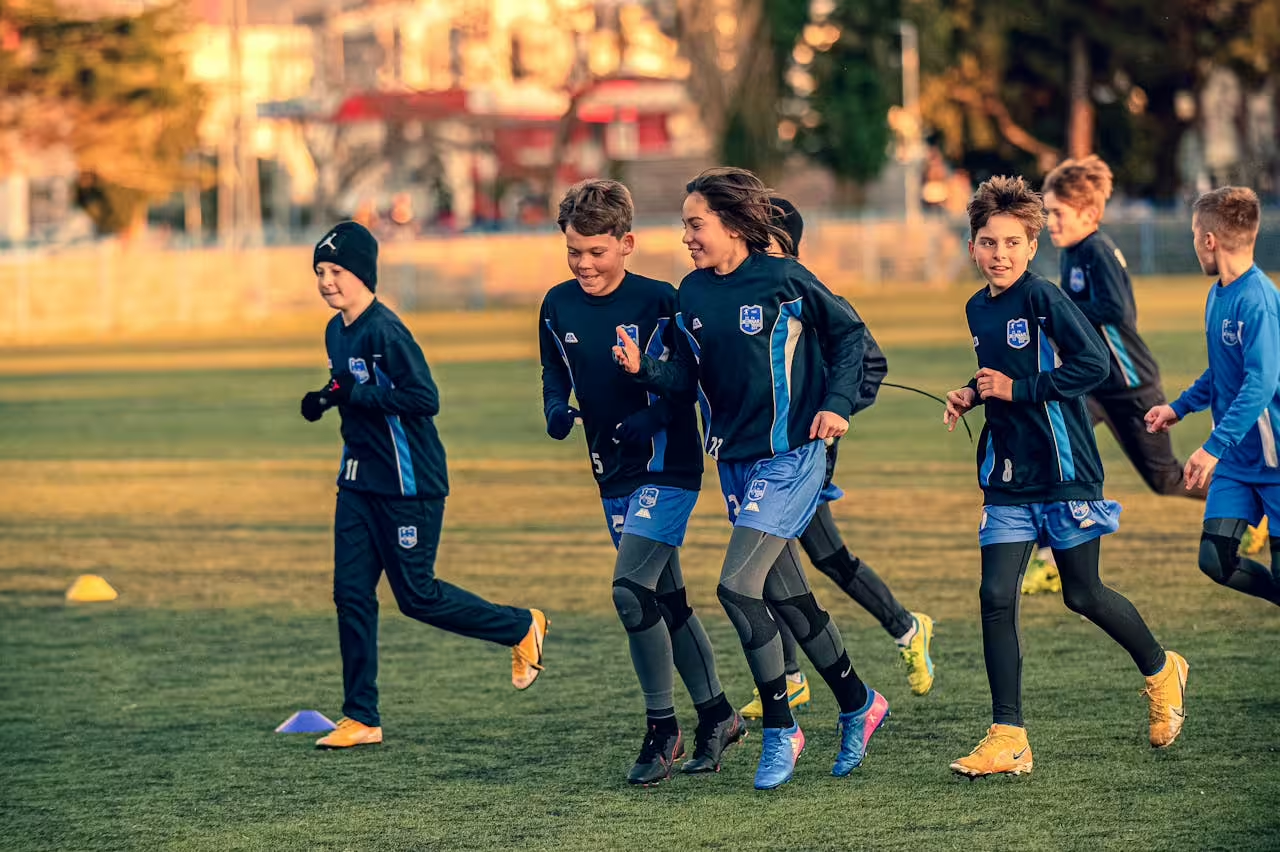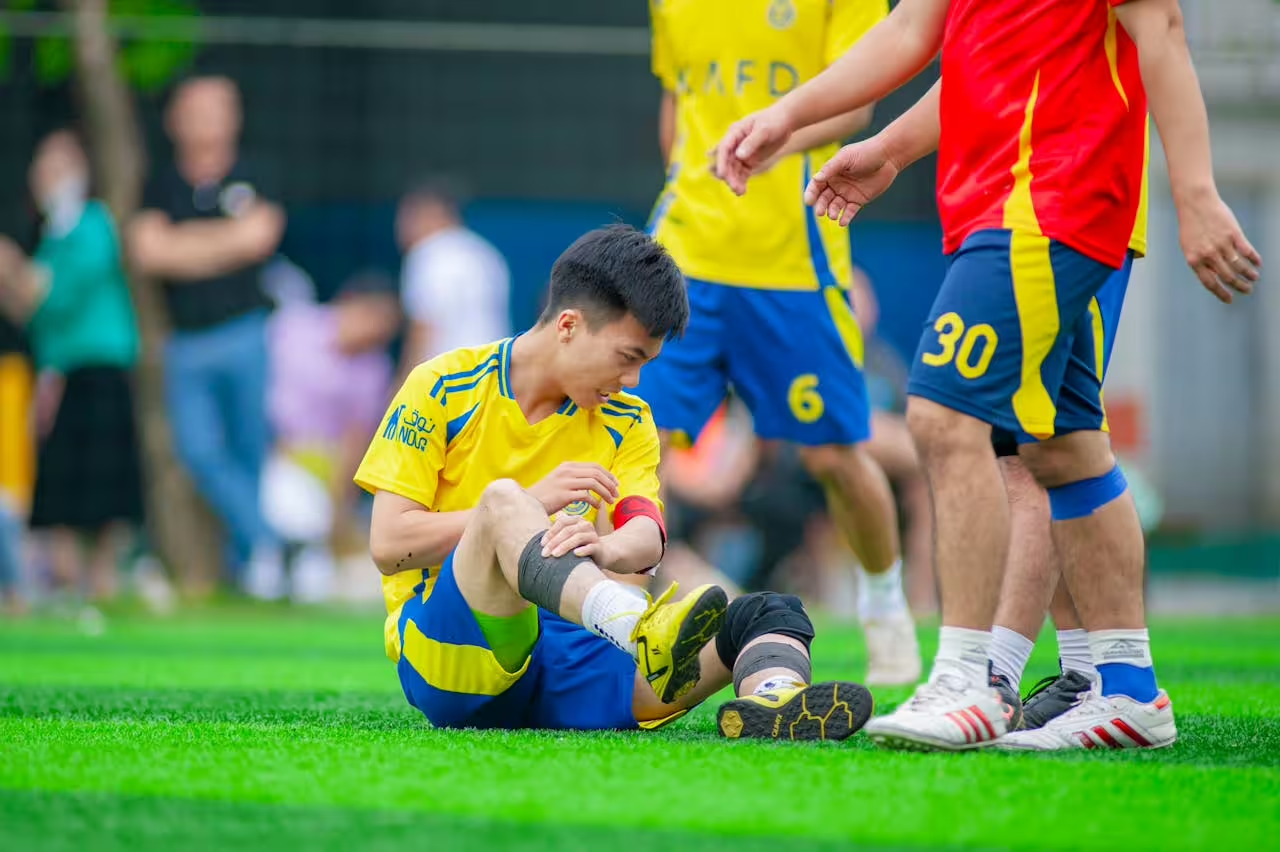
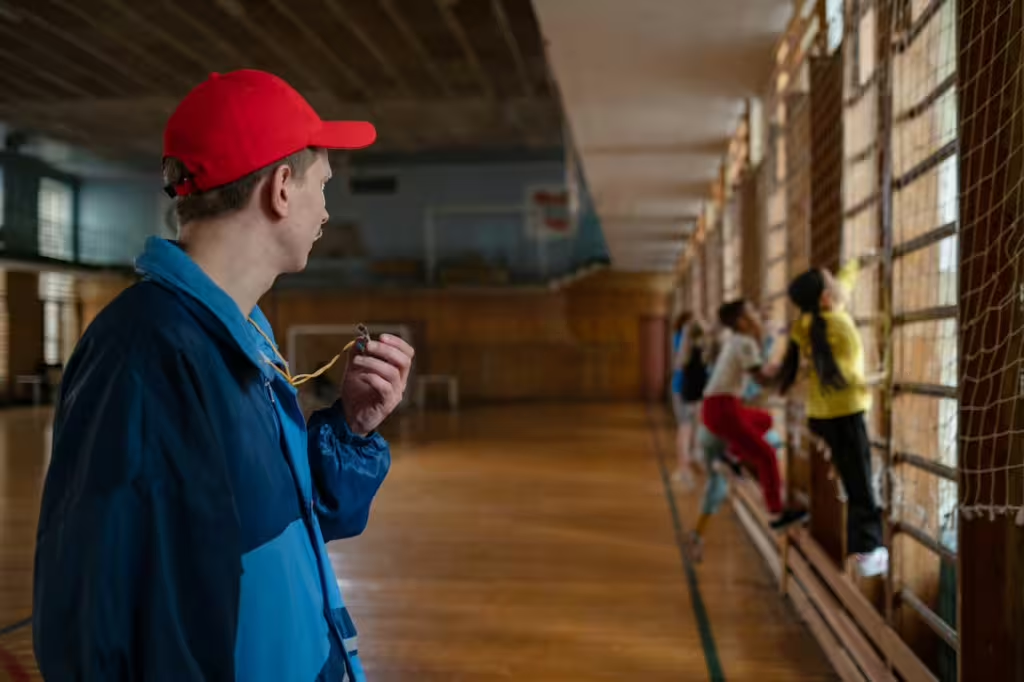

Many of us remember our own youth sports experience with fondness. The devastating losses, come-from-behind wins, our first goal, or the deep, lasting friendships we made while on those well-trod fields. But ask any adult about their childhood sports experience, and you’ll probably hear them talk about a coach they still remember.
These fabled favorite coaches are not remembered because of the championships they helped us win, but because of they made us feel seen, capable, and valued. Here at Cultured Athlete, we often touch upon the importance of finding the “right coach” can be the key to helping your child excel in youth sports. This is because, by virtue of their consistent interaction with our young athletes, coaches wind up being teachers, mentors, and role models, all at once.
In this article, we will speak about coaches, in general. We will discuss their role in a child’s life and how, through their actions, they can influence our kids during some of their most formative years. By the time we’re done, you may even begin to remember your old, forgotten coaches, and how they helped you to foster a love of sports that has now transferred to the next generation!
More Than Just Teaching Skills
Many parents assume that the coach’s role is pretty straightforward: teach the rules, run practices, and guide players during games. Those of us who have had the privilege of playing youth sports understand that there is so much more to what a coach does than mere logistics. In those early years, a great coach can influence the way a child reacts to life’s many challenges. They can help build up our confidence, create a sense of belonging, and teach a child how to be resilient and determined.
The best coaches keep the game fun and focus on the value of effort over mere point totals. And while, the skills we learn in youth sports may fade with time and age, the emotional lessons our beloved coaches once imparted can stay with us for a lifetime or more.
The Power of Being Seen
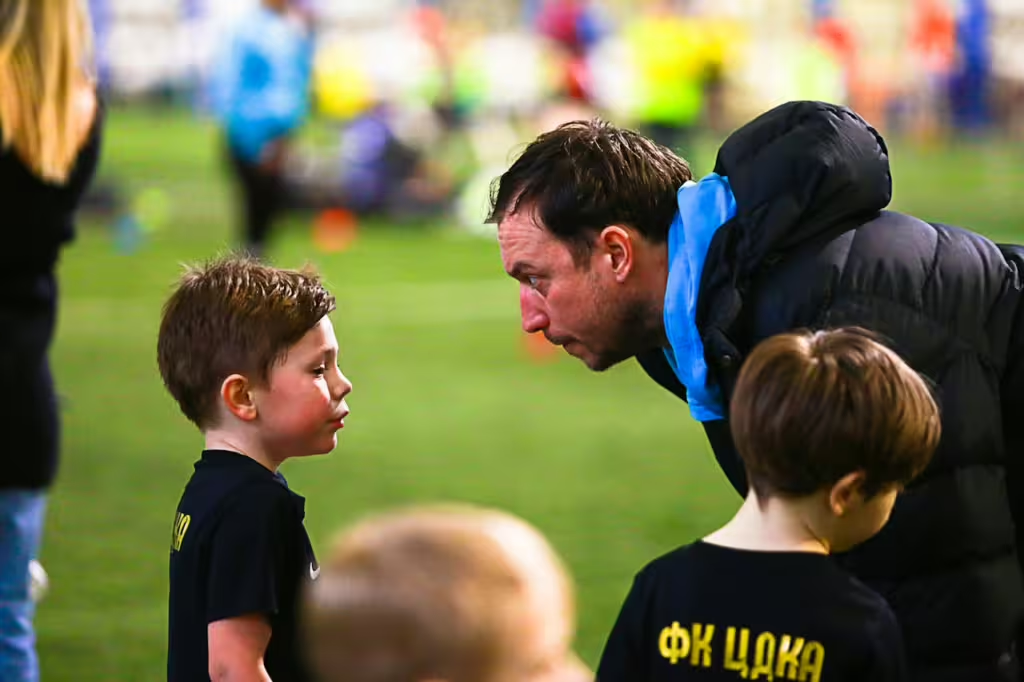
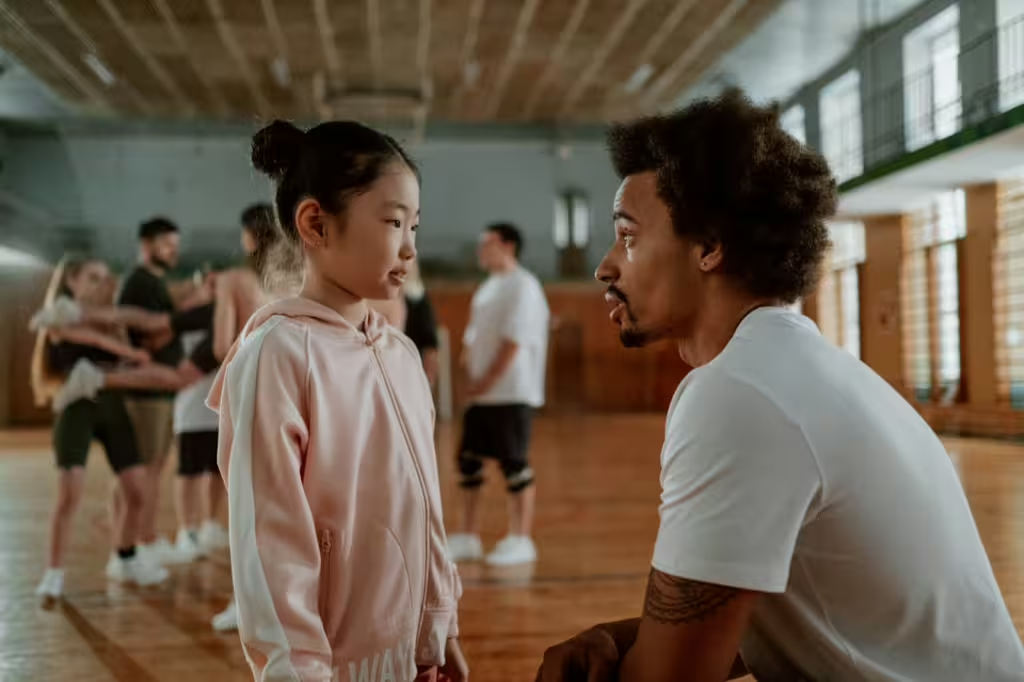
One of the most impactful things a coach can do is simply notice a child. We’re not just talking about bearing witness to their athletic performance and coaching them about how best to improve it, but really seeing them for their effort, their attitude, and their personal growth. Children that are new to the sport or who happen to be shy, might struggle to find common ground with their peers. They may also find it hard to enjoy the sport at all, but being recognized by their coach can prove to be quite transformative; even for the most reticent of young athletes.
Saying something as simple as, “I saw how hard you worked today” or noting how much they have improved over time, can shift how a kid views themself. These small, meaningful words can build self-confidence, not just in terms of performance, but in how they present themselves and interact with the other kids.
Creating a Safe Space to Try
Though there are some parents out there that will insist on the power of “tough love,” it is a scientifically proven fact that children learn best when they feel safe. Positive coaches can create environments where children feel safe to try new things, make mistakes, make new friends, and most importantly, ask questions. This is all usually accomplished when the fear of failure is removed. In these circumstances, children become more willing to take risks, allowing them to grow both physically and emotionally.
That said, environments where the coaching style is particularly tough, where the focus is performance-based and not as dedicated to the actual enjoyment of sport, can have a negative effect on a child and their opinion of the sport, in general. Such environments and coaching styles can lead to hesitation, self-doubt, and even burnout if one is not careful. This is why it is so important to find the right coach from the beginning.
Teaching Resilience Through Experience
Sports, by their very nature, are a mixed bag of both success and failure. It is extremely important that your child’s coach understands this concept and can respond accordingly. The best coaches will use moments of disappointment as teaching opportunities, helping their athletes to reflect on the mistakes and stay motivated, even when things are looking grim. These lessons build resilience, and for many kids, the self-belief and resilience they learn from their childhood coaches can be carried well beyond the boundaries of the sports field.
The Parent’s Perspective
As a parent, we’re not always privy to what happens during practice or games. Some of us may worry if our child’s coach is doing the right thing by them. Fortunately, there are signs that a coach is making a positive impact. If it seems as though your child is feeling excited to attend practice, it’s probably a good indication. At the same time, if they speak positively about the coach and their teammates, if they exhibit increased confidence, and if they seem willing to keep trying, regardless of how challenging they describe the sport to be, then the coach is probably doing good work.
Red Flags to Watch For
We know you’ve all been waiting for this section…ya sickos, but there are things you want to watch out for when it comes to your child’s coach. It’s just as important to recognize when a situation may not be beneficial as it is to know when things are going well.
Signs of concern may include excessive focus on winning over development, frequent use of negative or discouraging language, and unequal treatment of players. Also, if your child seems to be losing interest in the sport, losing confidence in themselves, or is outright showing avoidance behavior about attending practice…it might be time to at least speak to the coach. Sometimes all it takes is an open dialogue to address concerns.
Cultured Athlete Says…
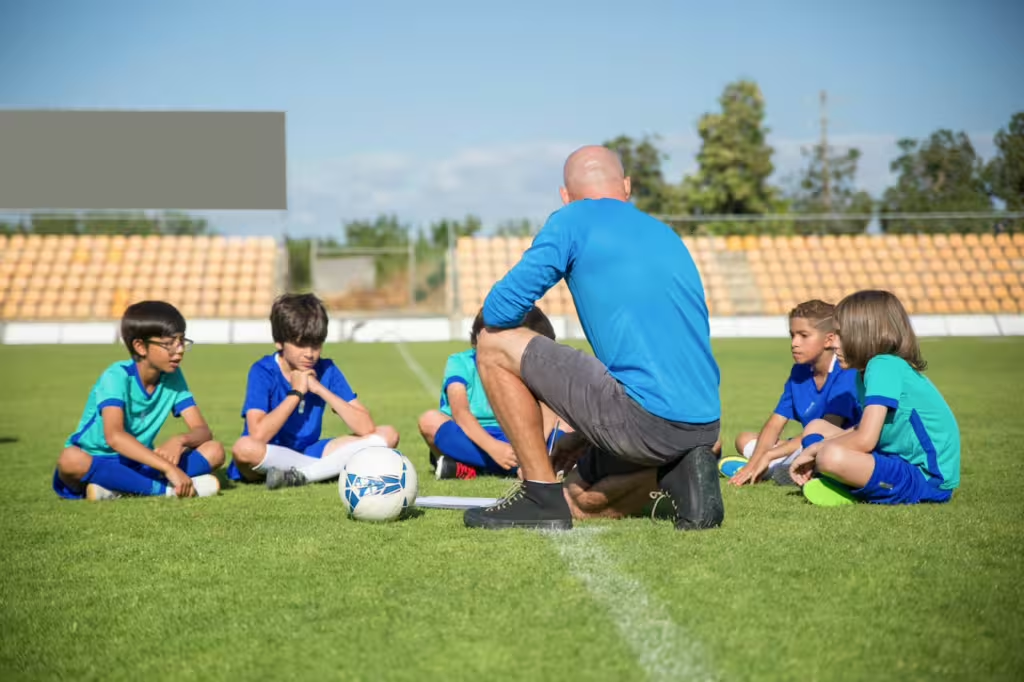
As you can see, whether for good or ill, coaches have the potential to change a child’s life. The guidance and personal connections they foster can help children walk away feeling appreciated, confident, and capable of doing far more than scoring goals. In the end, if the coach fosters a positive environment, one where they feel safe, then they can feel ready to take on whatever comes next in sports, and in life.
Discover more from CulturedAthlete
Subscribe to get the latest posts sent to your email.