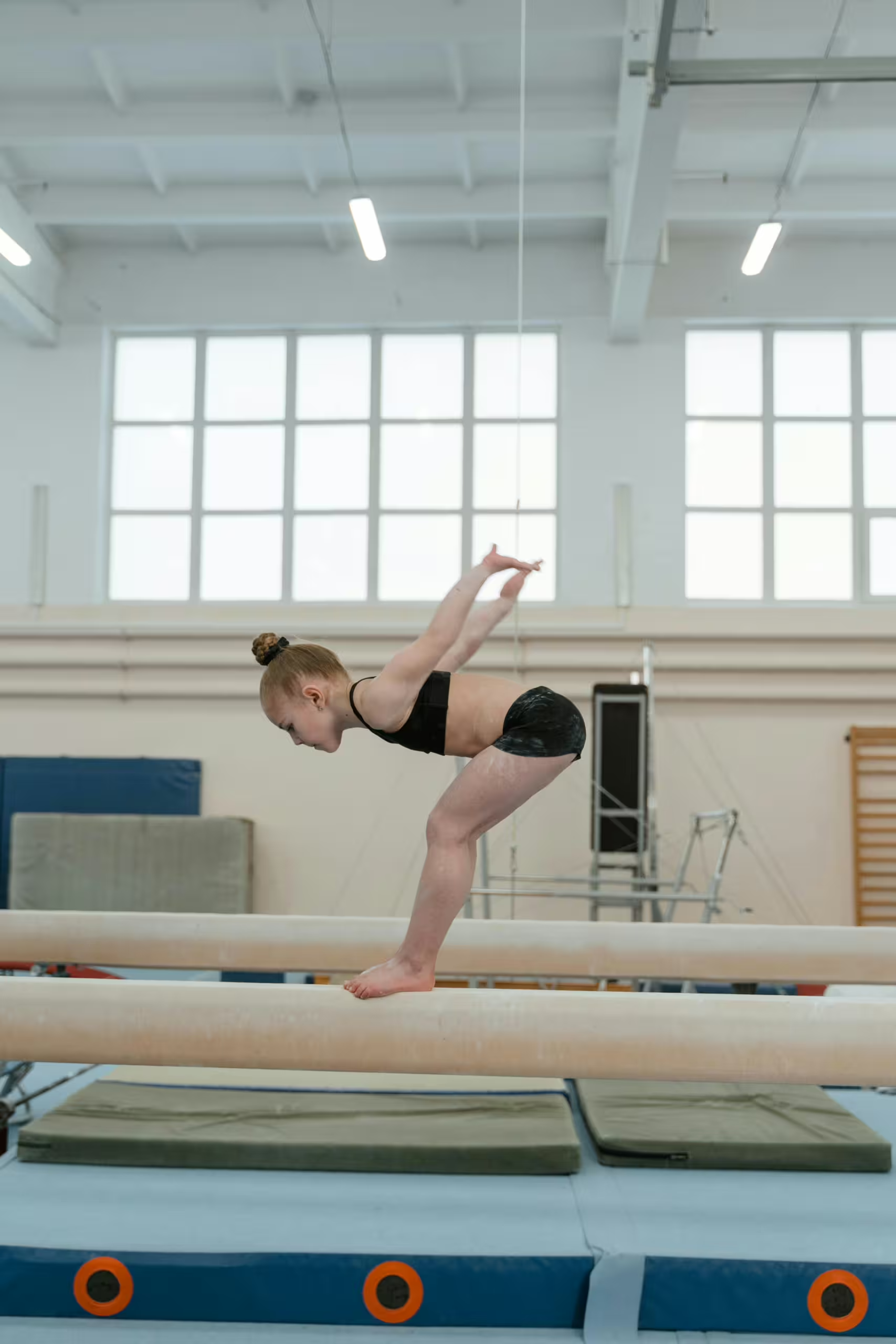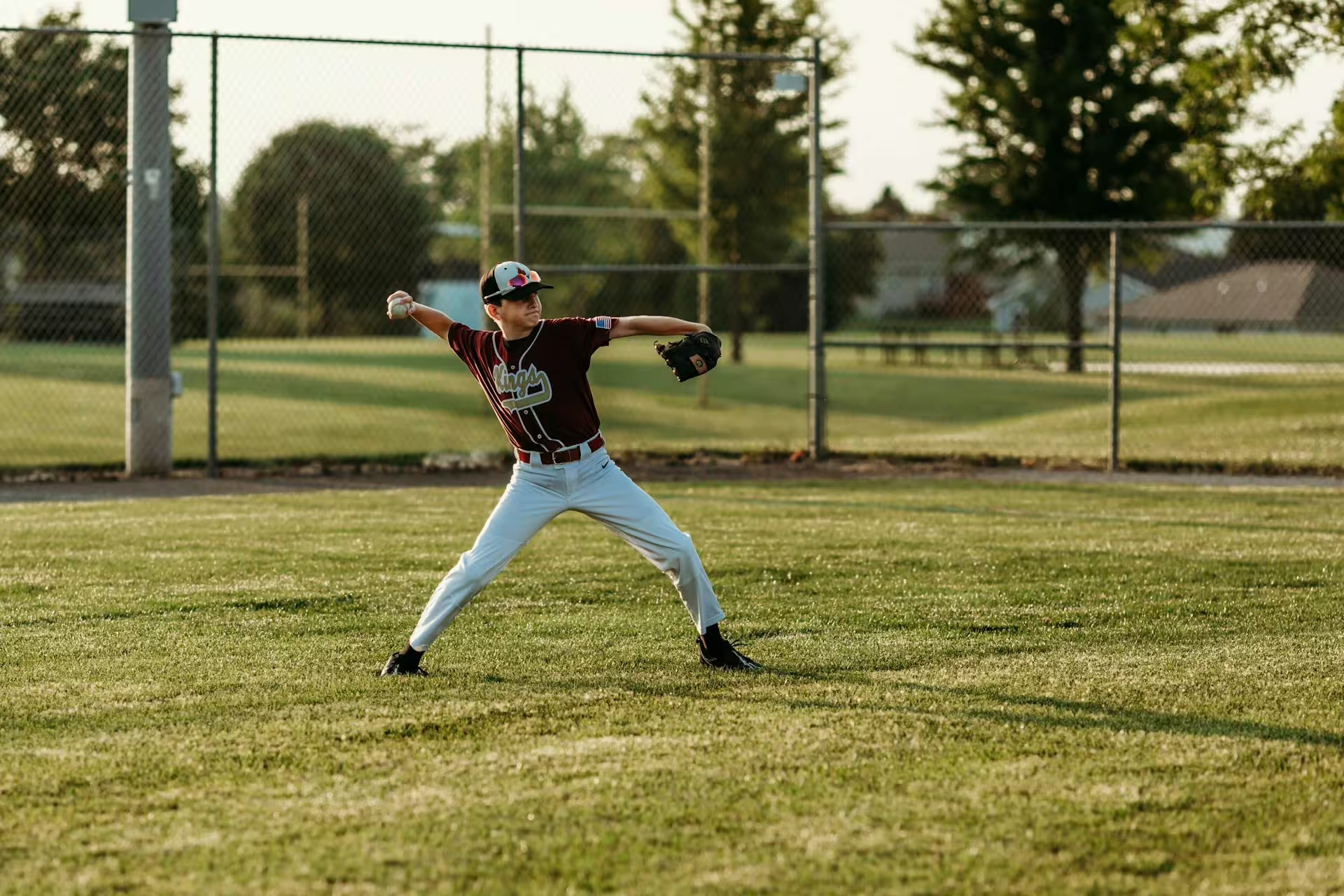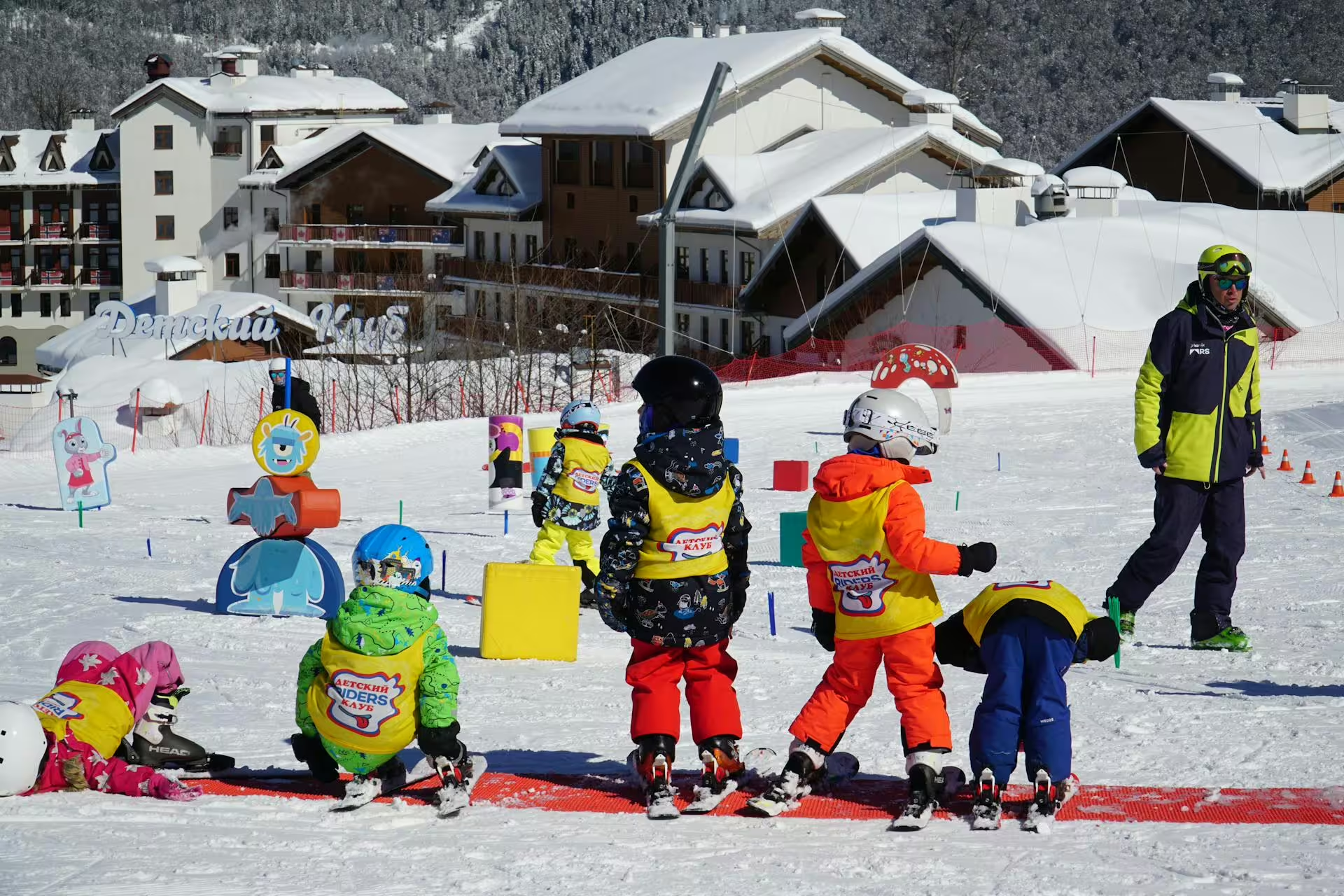


Even in the age of tablets, devices, and TikTok, youth sports still hold some sway amongst the younger class of citizen. And even if baseball has been somewhat supplanted as “America’s favorite passtime,” popular youth sports like soccer are drawing crowds of kids from all corners of the country, season after season.
That’s right, soccer continues to be one of the most popular youth sports, even in the year 2026, and for good reason. It’s fast-paced, accessible, affordable compared to many other sports, and teaches valuable lessons to young children. Through soccer, children learn about the value of teamwork but they can also develop confidence and physical endurance.
Despite these benefits and its near-universal popularity, not every parent is familiar with the soccer basics. We know, it’s hard for us to believe too. Either way, this article is designed as a way to familiarize parents with the rules, playing positions, and 2026 changes that make soccer what it is today.

Why Soccer Is a Great First Sport
Many a suburban parent will tell you that soccer is a great first sport for kids who are looking to engage with athletics; and they aren’t wrong. Since time immemorial, soccer has proven to be the entry point into organized youth sports. It is ideal because not only does it require minimal equipment — cleats, shin guards, a ball —it is also designed so that children of nearly all ability levels can participate.
There are other reasons why soccer is good for kids as well, of course. It helps to build up a child’s cardiovascular endurance, enhances coordination and balance, and helps them learn how to make decisions under pressure. As a team sport, it is also a great way to build up communication skills and teach children about the roles we all play in the group.
It is also perfect for any age range. This is because most youth soccer leagues are able to modify their field or rules based on the age of the children playing. This allows for children to be introduced to the game in developmentally appropriate stages.
Understanding Youth Soccer Rules in 2026
The rules of soccer rarely change in big ways and youth soccer is no different. In general, youth soccer in 2026 follows the general rules set by FIFA, but leagues will adjust them depending on the age group that happens to be playing.
Game Length
- Ages 4–6: 20–30 minutes total
- Ages 7–10: Two 20–25 minute halves
- Ages 11–14: Two 30–35 minute halves
- High school: Two 40-minute halves
Number of Players
- U6: 3v3 or 4v4 (no goalkeeper)
- U8: 4v4 or 5v5
- U10: 7v7
- U12: 9v9
- U13 and up: 11v11 (full field)
Basic Rules Kids Should Know
- No hands (except the goalkeeper).
- Throw-ins happen when the ball goes out on the sideline.
- Goal kicks and corner kicks restart play.
- Offside rule usually begins at U10 or U12 depending on league.
- No pushing, tripping, or dangerous play.
It should be noted that younger leagues tend to emphasize learning over strict enforcement. We see this especially in modern soccer as youth program referees are more likely to be trained to teach during games, helping kids understand mistakes instead of simply penalizing them for making them in the first place.
Key Soccer Positions Explained
Simple as it may sound, introducing positions helps children understand their role on a team. Most roles are rotated at young ages to allow kids to get experience doing everything. Goalies guard the goal and are the only player who can use their hands; albeit only inside the penalty box. Their role is to stop shots and send the ball back into play after saves.
Defender, meanwhile, are closest to their own goal and stop attacks from the opposing team before they even get to the goal. They clear the ball and need to be able to communicate with teammates to secure a solid defense. Midfielders are the engine of the team. They play a bit of defense and a bit of offense. Their bailiwick is passing. Midfielders cover large portions of the field.
At the top of the field are the forwards; the primary attackers of the team. It is the job of the forwards to attempt to score goals on the opponents and create offensive pressure. They tend to position themselves near the opponents goal and learn to make difficult shots to secure points.

What to Expect at First Practice
Understandably, the first couple practice sessions are usually focused on fun and basic movement. Coaches in 2026 youth programs often emphasize warm up games like tag or relay races. They also tend towards building familiarity with the ball using drills, small scrimmage games, and offering positive reinforcement rather than criticism. These early practice sessions run between 45-90 minutes.
Safety and Injury Prevention in 2026 Youth Soccer
Today’s youth sports programs are more focused on injury prevention more so than they have been in years past. This is why we often encourage parents to seek out leagues that encourage safety, dynamic warm-ups, proper form, and player rotation. This latter practice is a means of preventing overuse injuries and letting kids flex all their muscles during play. The best coaches will also encourage hydration at various intervals, which will help kids especially in the warmer months and when practices seem particularly grueling.
Building Confidence Through Soccer
One of the greatest benefits of youth soccer is how it can help kids to build confidence. Kids can develop confidence, even in the earliest stages of youth athletics, by learning new skill, scoring points, or even managing to intercept the ball either through defense or in play. Every little triumph is a means of developing a child’s new abilities. The best part? The confidence they develop on the field can very often extend into other walks of life, such as school or in social settings.

Cultured Athlete Says…
As you can see, soccer in 2026 looks very much as it has for the past hundred years or so. Nevertheless, it continues to evolve as organizations and schools learn to incorporate better coaching education, more inclusive programs, and development-focused programs into the established game. Ultimately though, the heart of the game remains the same. Kids are encouraged to move, play, and work together to find success as a team.
On the parental side of things, our focus should remain the same as it has ever been. We need to support our children, celebrate their growth, and keep perspective on their overall goals instead of zeroing in on the numbers or winrates. We want them to enjoy their soccer journey and build a foundational love of sports and athletics in general, and to that end, we need not push them harder than is necessary.
Discover more from CulturedAthlete
Subscribe to get the latest posts sent to your email.