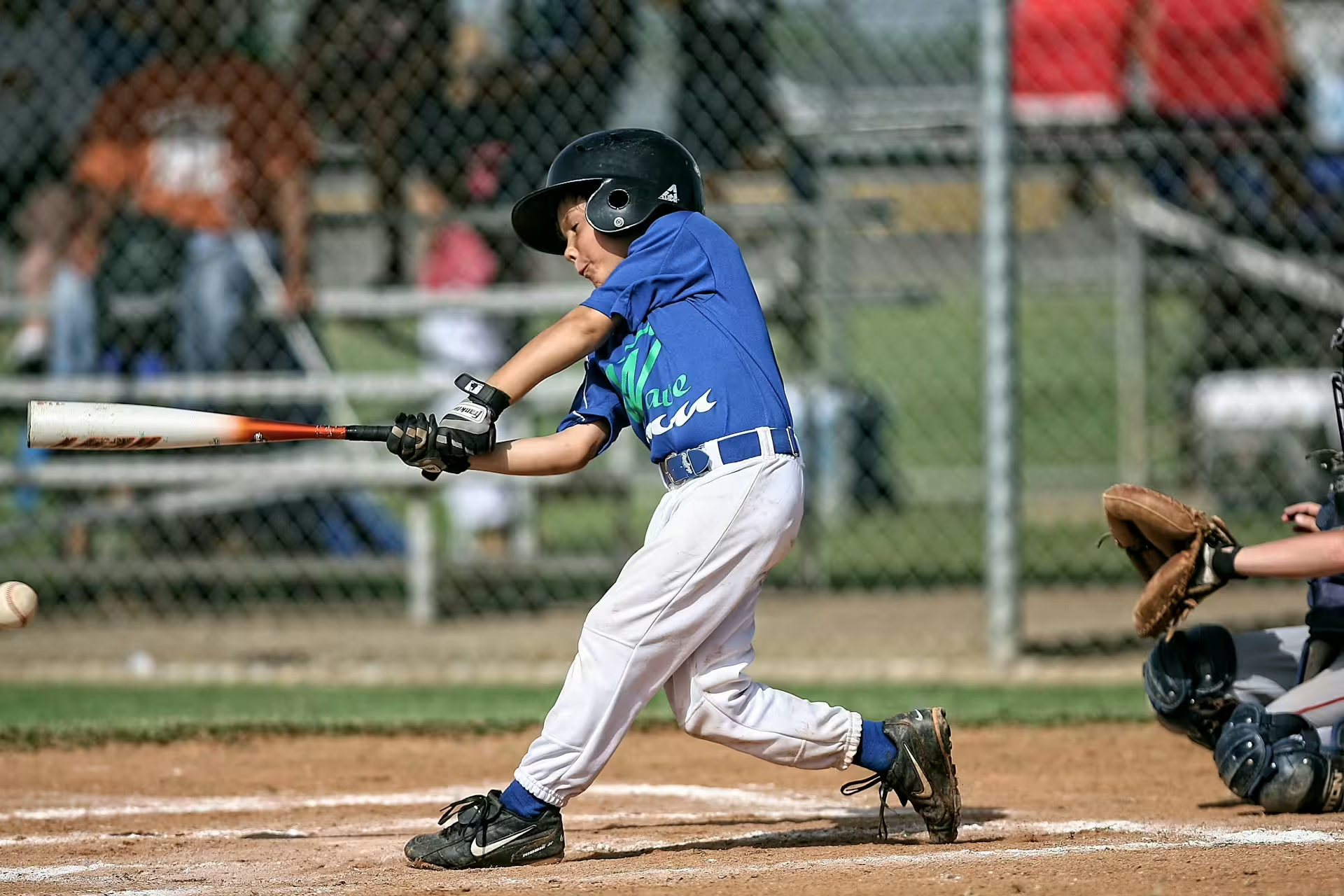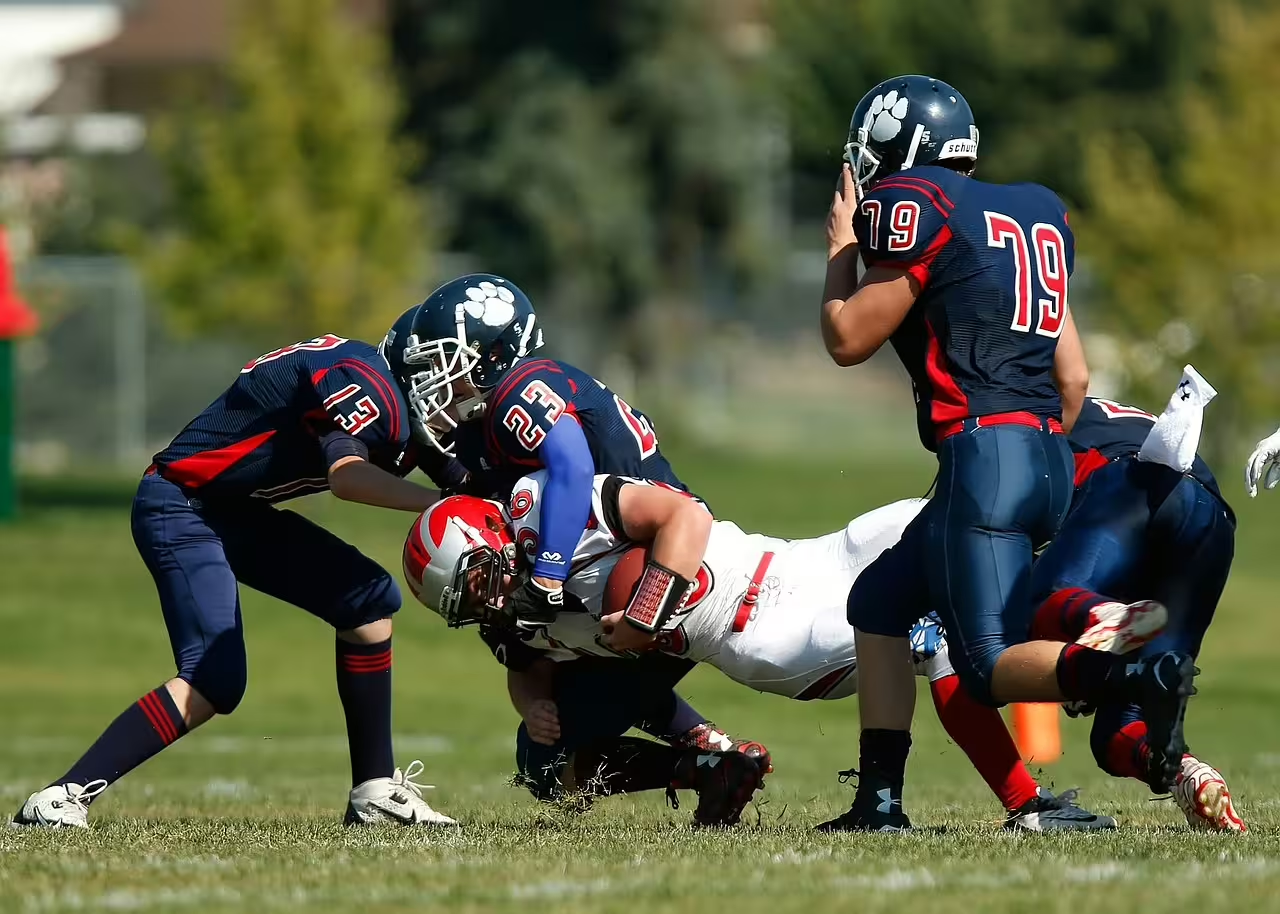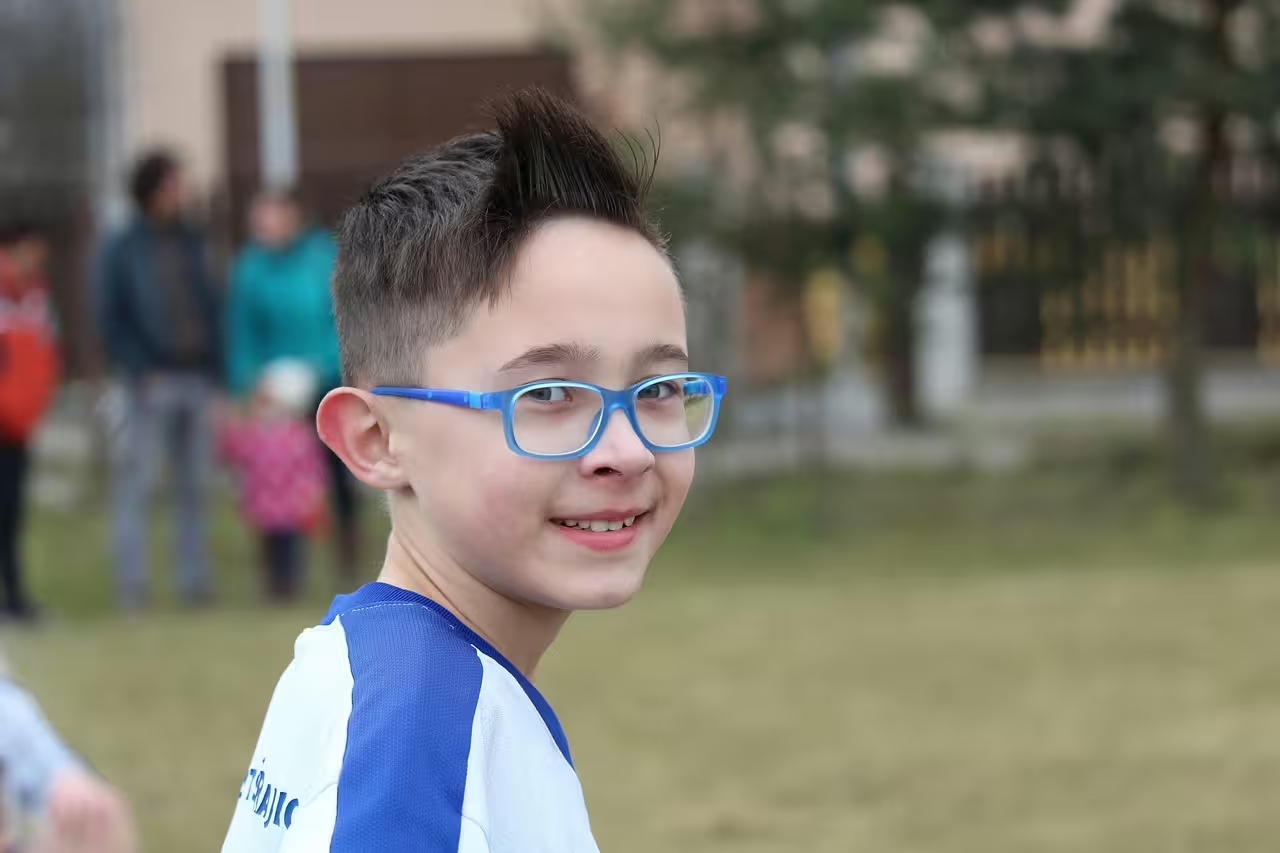
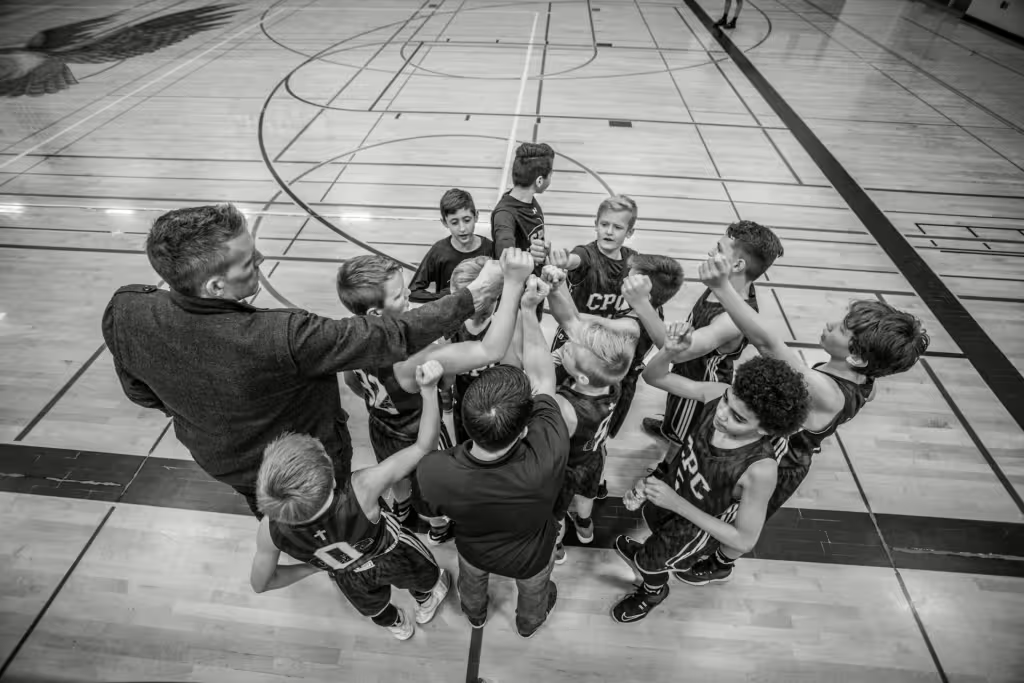

For many children, youth sports represents their first non-academic experience of making friends. None only are they finding children who, conceivably, like what they like, they are apt to be working with them towards a sort of shared goal. Even in the case of individual sports like gymnastics, dance, or martial arts, all the kids are working towards the same end; finding fun and some measure of success in athletics.
Parents and experts often hone in on the physical benefits of youth sports. This focus is usually bent on building up a child’s strength, coordination, or endurance, but the social aspects of sports are often overlooked. Indeed, the social interactions have on the field or court can be just as valuable as the sports skills they take away.
In this article, we will explore how team sports provide children with a natural environment for kids to practice communication, cooperation, and leadership. We will discuss how this early socialization aids in emotional regulation and how the experience can help shape how children interact with others on and off the field.
Learning to Work Toward a Shared Goal
The ability to work with others toward a collective objective is one of the most valuable lesson a child can learn whilst playing team sports.
Unlike individual activities, team sports require players to think beyond their own performance. That said, even individual youth sports hold some measure of camaraderie, though the social aspects of those activities are less ingrained into the play itself. When children play soccer, basketball, baseball, or volleyball, the team’s success depends on cooperation.
As they play with others, children begin to understand their individual roles and how those roles support the whole team. They learn that every position contributes to the team’s success and that sometimes, passing a ball might be a better option than attempting to score themselves. Thus, early exposure to the mere concept of teamwork can help a child understand the value of collaboration, not just competition, as so many youth sports programs often insist.
Communication Skills on the Field
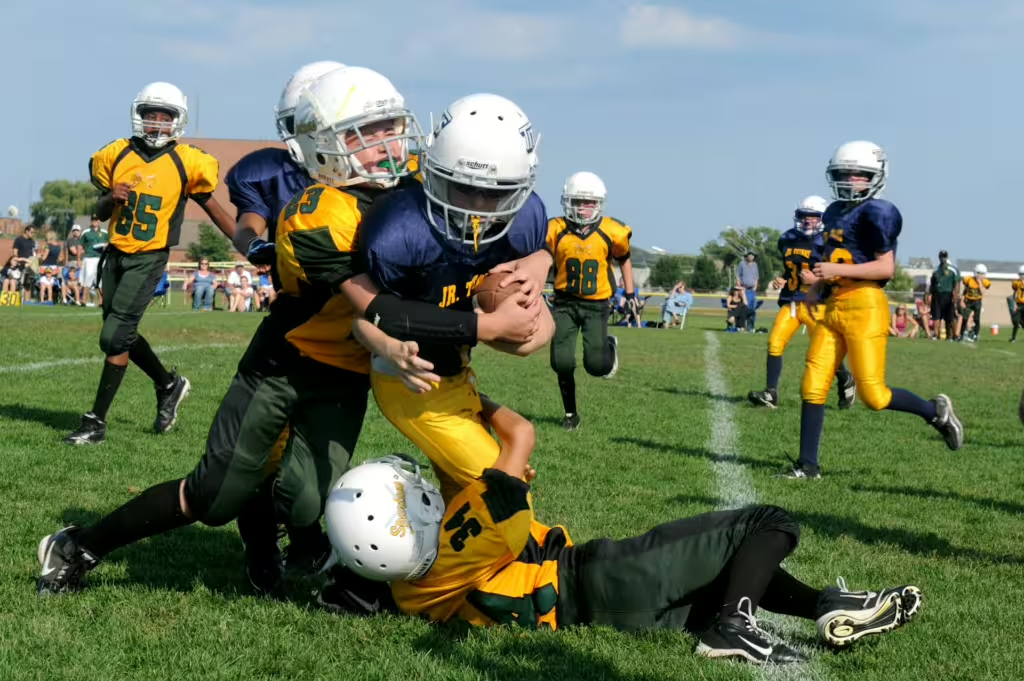
Effective communication is the true measure of socialization. It is also essential in team sports, where players are expected to constantly share information. This is facilitate through both verbal and nonverbal signals. Young athletes learn to call for passes, cheer their teammates on, listen for instructions from coaches, and coordinate their movements with one another.
These lessons can also help children to become more comfortable expressing themselves outside of sports. Children that struggle with communication might even find themselves more sociable after spending some time working with their fellow young athletes.
Building Empathy and Support for Others
In sports and in life, children find ways to connect with one another. For the most part, their empathy is second to none, but for those that might be lacking, sports provides a valuable learning experience. On the field and in the dugout, kids learn to support one another emotionally, offering reassurance, encouraging one another, and celebrating success, both as individuals and as a unit. Learning to lift others up during difficult moments strengthens emotional intelligence and social awareness.
Handling Success and Disappointment
In sports, there is winning and there is losing. Children will undoubtedly experience both from time to time and those experiences teach them how to manage their emotions, especially in social situations. Winning helps them to celebrate and acknowledge the contributions of others, while losing teaches valuable lessons in sportsmanship and resilience. These life lessons are essential for preparing kids for the challenges they will face throughout in other walks of life.
Developing Conflict Resolution Skills
Readers with multiple children will know without a doubt that, no matter how friendly kids might seem, they’re going to fight when they get together. Even the most harmonious of teams will have disagreements now and then. Nevertheless, sports create opportunities for children to practice resolving conflicts in constructive ways. With proper guidance from parents and coaches, children can learn to manage their emotions and communicate their frustrations in a constructive way. They will listen to different perceptions and learn to take them to heart. And ultimately, the hope is that they will learn to focus on solutions rather than trying to place blame.
Friendships That Extend Beyond the Game
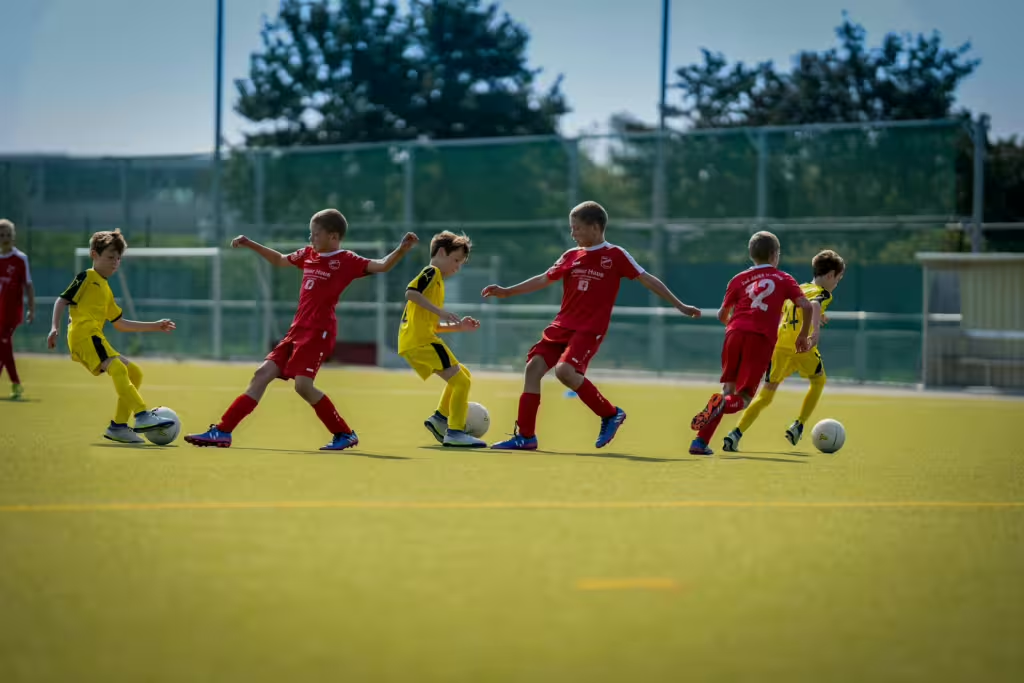
One of the most rewarding aspects of team sports is the friendships that children take away from them. Playing with other kids at practice, traveling with them, even competing against one another can create share experiences, bonds that extend well beyond the borders of the soccer pitch. The strong bonds of friendship that form between teammates fosters a sense of belonging and emotional support. Kids can find a new community amongst their fellow players, as can their parents.
Confidence Through Belonging
Children need confidence to feel good about themselves and feel as though they are capable of speaking with others. Not all children are outgoing or gregarious, some are even quite shy, even amongst their peers. Yet, feeling like part of a team can have a powerful effect on a child’s self-esteem and can give them the confidence they need to engage with their peers.
Choosing the Right Team Environment
It’s important to remember that not all youth sports are built the same. While certain programs emphasize social development, others sadly, place greater value on achievement. That’s why, when selecting a team, parents should seek out programs that prioritize skill development, enjoyment, inclusive team culture, and positive coaching styles. The truth is, programs that emphasize learning and fun are always going to be better for a child’s social development than those whose only focus is on the measure of an athlete’s success.
Cultured Athlete Says…
As you can see, youth sports offer far more than opportunities for physical activity. They are means of developing vital social skills such as communication, cooperation, empathy, and leadership; all of which will help your child in areas beyond the gymnasium. Through their shared challenges, young athletes can grow as individuals, learning to manage their emotions, interact with their peers, and become better equipped for life in a world of complex social encounters.
Discover more from CulturedAthlete
Subscribe to get the latest posts sent to your email.