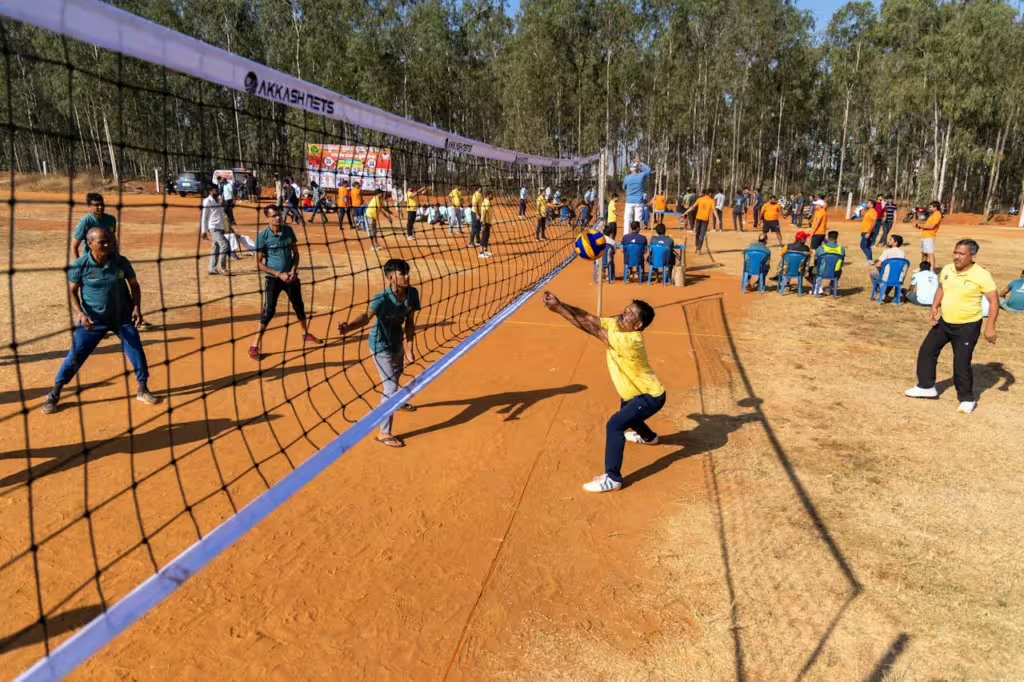

If any of you are parents, and we strongly believe that a good portion of you are, then you know that keeping your kids active and entertained is of paramount importance. Not simply because it keeps them physically fit and can help with social and emotional advancement, but also because it keeps them busy so you can get your own stuff done.
That might seem a bit candid, but that doesn’t mean it isn’t true. Indeed, the same is true for parents all over the world, and in many places, kids don’t have a local place where they can gather, play sports, and meet new friends. Some neighborhoods lack options outside of school-based sports activities and don’t have other options through the town or city itself. If this is a situation that you currently find yourself in, then this is the article for you!
While organized sports programs exist in many areas, they are not always accessible, affordable, or tailored to younger or beginner athletes. This is where community-driven sports leagues can make a meaningful difference to kids and parents alike. The idea of starting a neighborhood sports league may sound like a big undertaking, but we are here to tell you that it’s simpler than you might expect.
In this article, we will teach parents how, with thoughtful planning and a collaborative spirit, they too can build something that benefits not just their own children, but the entire community. All it takes is a little idea, a little public support, and the will to make a difference in your child’s life.
Why Start a Community Sports League?
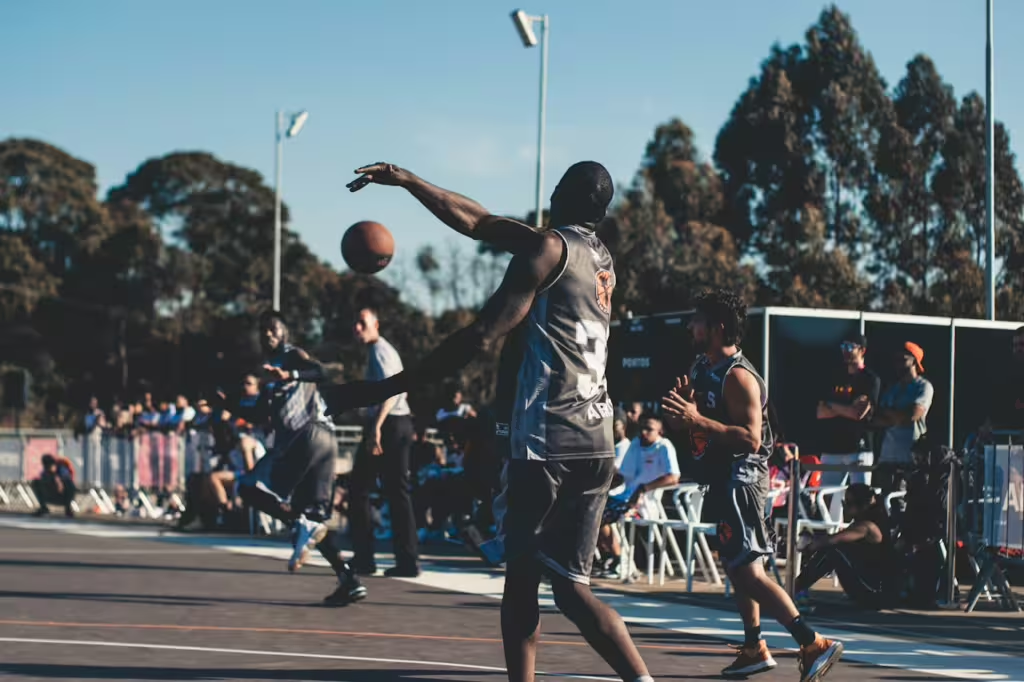
Community sports leagues offer more than just a place to play and organized games. They create opportunities for children and other community members to form relationships, get exercise, and feel included where they may not have previously.
Some of the key benefits of these community sports leagues include the following:
- Accessibility: Local leagues reduce travel time and make participation easier
- Affordability: Community-run programs can keep costs lower than private clubs
- Inclusivity: Programs can be designed to welcome all skill levels
- Connection: Families get to know one another, strengthening neighborhood bonds
Parents that get involved in these programs also gain an opportunity to shape a positive sports culture in their own backyard. Rather than rely on the vision of some other person, company, or organization, they can include their own input, shifting the focus from mere athletic success towards inclusivity, personal development, teamwork, and fun!
Start with a Clear Vision
Before organizing the logistics, it’s important to define what you want the community sports league to be for your kids. Start by asking yourself some important questions:
- What age group will the league serve?
- Will it focus on recreation, skill development, or competition?
- What sport or sports will be offered?
- What values will guide the program (fun, inclusion, learning, etc.)?
Some of these questions might seem elementary, but they are meant to give you a clear vision of the future of this endeavor. That vision will help guide all of your decisions and will ultimately ensure that everyone involved shares the same goals.
It is also suggested that you start smaller than the scope of your whole neighborhood., perhaps with a single sport for a specific age group. Not only is this the most manageable approach, it will give you time to truly focus on the vision you established earlier.
Gauge Interest in Your Community
You’ll want to find others with similar interests or needs, so talk to local families and see if they are looking for the same thing. You can gauge interest by talking with neighbors and other parents that you may know. At the same time, you could post in local social media groups like neighborhood or town-based Facebook groups. Once you have a group of potential partners, exchange contact info, maybe even put together a simple survey to see if you’re all on the same page about certain aspects the league may entail.
One of the best ways to do all this is to connect through recreation centers, community centers, or schools. Remember, even a small group of interested families is usually enough to get the ball rolling (pun intended.) In fact, beginning with a smaller and therefore more manageable number of participants often leads to a better initial experience for everyone.
Build a Small Organizing Team
Despite what many parents might think, you don’t have to do everything on your own. Indeed, recruiting even a few other parents or community members to help share responsibilities can make the process that much smoother and more enjoyable.
Key roles for these individuals might include: scheduling and coordination, equipment and setup, volunteers for coaching or other responsibilities, and communication liaisons who can talk with families. Additionally, having a team of diverse individuals working towards a common goal, brings with it a host of different ideas and perspectives, which can ultimately strengthen the program.
Choose the Right Location
Finding a safe and accessible place to play is essential. Local parks, school fields, gyms, and community centers are all usually great locales, but their use and access should be cleared with the town, school district, or neighborhood prior to setting up any periods of play.
Be sure to check whether permits or permissions are required. Some municipalities allow free or low-cost use of public spaces, especially for youth programs. At the same time, some might also be more than happy to have people use these spaces and be taking the initiative to start grassroots style programs that they, themselves don’t need to enter into until things have been established.
Try and remember, safety should always be a priority. Before anything is settled, be sure to examine the space. Make certain it is well-maintained, free of hazards, and appropriate for the sport being played.
Gather Basic Equipment
One of the advantages of a community league is that it can start with minimal equipment. You can ask families to contribute or donate this equipment, ask schools or local businesses to throw something in to help, and start with shared gear to begin. The end-goal is to make participation easy and affordable.
Recruit Volunteer Coaches
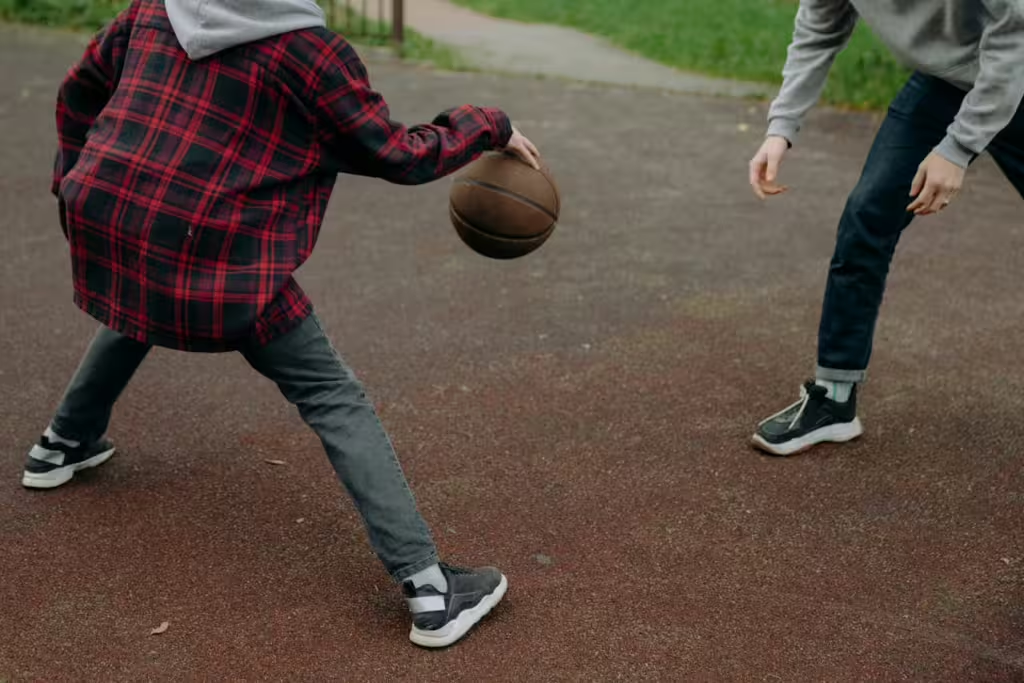
Volunteer coaches are often the heart of community sports leagues and even if they aren’t experts, so long as they are supportive, patient, and enthusiastic, they should be good to go! Encourage coaches to keep the focus on fun and skill development. Make sure they treat all players equally and practice inclusion, teamwork, and sportsmanship. Also, by providing simple practice plans or resources, you can help those volunteers feel more confident in their roles, so seek out some online if you need help finding resources. There are plenty of families who have done this before you and we’re willing to be they are more than happy to share their experience to help others.
Keep Costs Manageable
This probably goes without saying, but keeping costs low should be one of your main aims. One of the goals of most neighborhood leagues is to reduce financial barriers. You can accomplish this by minimizing registration fees, using shared or remaindered equipment, seeking sponsorships from members of the community or the town itself, and avoiding all unnecessary expenses. As always, be open with your fellow parents and organizers about costs, transparency will build better trust among league members.
Cultured Athlete Says…
As you can see, starting a community sports league in your neighborhood might be a significant investment of time and effort, but it also an investment in your child’s future. It is about creating a safe space where kids can play, learn, and belong, here they can build connections, confidence, and community. The positive experiences you cultivate through your efforts will impact not only your kids, but all the children that choose to become involved in the program; not to mention parents and neighbors.
In the end, the rewards are more than worth it, and building a league, a family beyond your the borders of your front door, and a legacy for your neighborhood, can result in a stronger, more connected community.
Discover more from CulturedAthlete
Subscribe to get the latest posts sent to your email.