
In youth sports, it’s easy to focus on the main event of it all. We focus on the outcome of a game, how effective practice is at its conclusion, or the overall performance of a given athlete. But what happens before and after play can be just as important as what happens during the activity.
Parents often overlook the importance of warm-ups and we almost certainly forget all about cool-downs, so much so that these important aspects of athletics are often treated as optional. They are frequently rushed through or outright skipped, especially at younger levels of play. In reality, warming up and cooling down are valuable steps that ensure young athletes stay healthy, perform well, and enjoy sports for a good long time.
In this article, we will discuss why warm-ups and cool-downs are so vital to a safe and positive sports experience. At the same time, we will teach parents how including these routines can help reinforce good lifelong habits, while supporting safety and development all at once.

What Is a Warm-Up?
Most readers are familiar with warm-ups from their own personal workouts. In most cases, this probably amounts to minor, if any, stretches of the arms and legs. Basically, not really much at all; and though it is meant to prepare the body for movement, it probably doesn’t even do that very effectively.
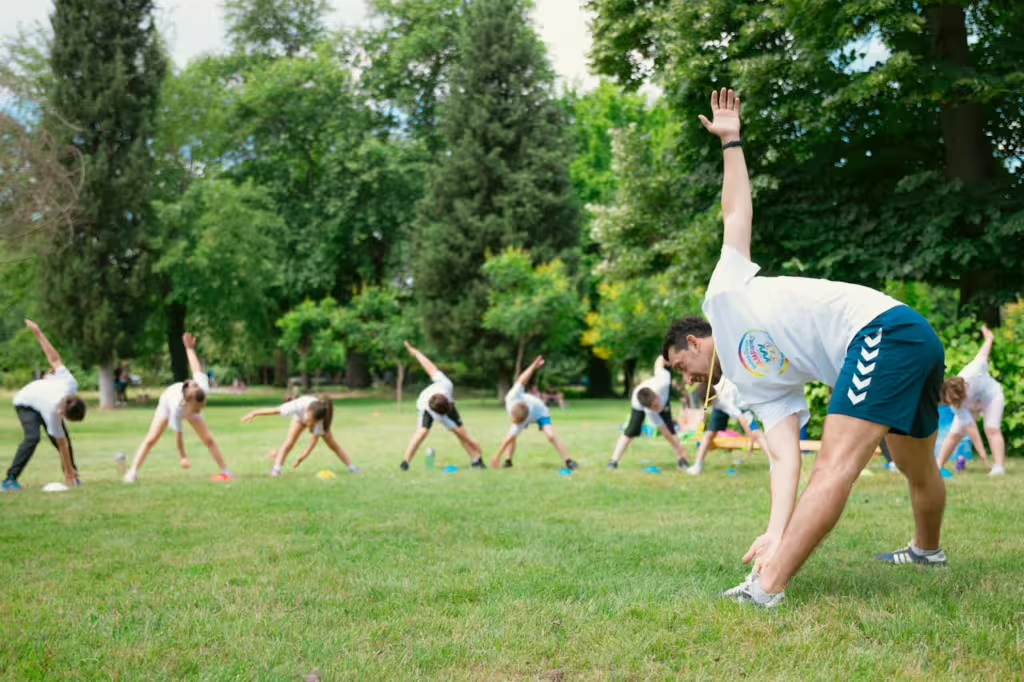
Now, by definition, anything can be considered a warm-up if it consists of a short period of activity before exercise. The most common of these include light aerobic activity such as jogging or skipping, some simple drills to activate the muscles, and some dynamic stretching with movements meant to mimic the sport or exercise itself. Ultimately, the goal is to gradually increase heart rate, loosen muscles, and prepare the body for more intense activity.
Why Warm-Ups Matter
Because children’s bodies are still developing, preparing them for movement is especially important. A proper warm-up for kids can help reduce the risk of injury. Believe it or not, “cold” muscles are less flexible and therefore more prone to strains or pulls. Warming up increases the blood flow to these muscles, rendering them more elastic and responsive for the activity to come.
Warmed-up bodies are more prepared for movement. They can move and react more quickly, and perform skills with better coordination. There is also a mental component to the warm-up as well. By preparing the body and practicing some of the common movements that the child is about to perform, the child’s mind is essentially prepped for the sport to come. This allows them to mentally transition into the activity before they even move to play.
What Does a Good Warm-Up Look Like?
We razzed you all before about inadequate warm-ups as an adult, but the truth is, a quality warm-up doesn’t need to be long or complicated. For most youth athletes, 5–10 minutes is more than enough time to prep for play. For instance, a simple warm-up might include light movement, such as jogging, jumping jacks, or skipping. Depending on the sport, there might be some sport-specific drills like passing a ball, dribbling, or shooting for the basket. Dynamic stretches like leg swings, arm circles, and lunges are also good for loosening cold muscle groups.
What to Avoid in Warm-Ups
The most common mistake parents make in regards to a warm-up is skipping it. Jumping straight into intense physical activity can lead to accidental injury. It should also be said that relying only on static stretching, holding stretches for long periods, won’t really do the job either. Static stretching is better suited for after activity, when muscles are already warm. Which brings us to the cool-down!

What Is a Cool-Down?
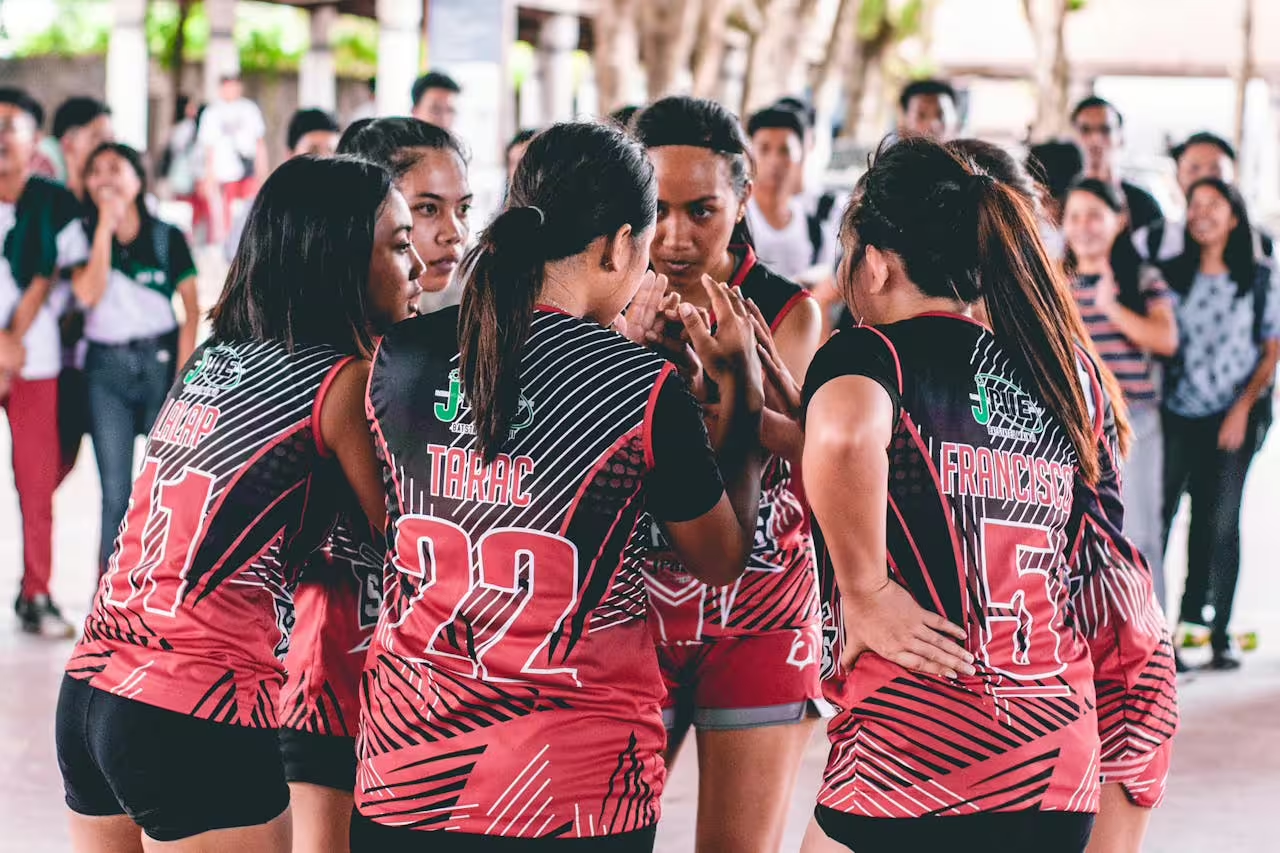
A cool-down is exactly what it sounds like. It takes place after physical activity has ended and helps the body return to a resting state. Common cool-down activities involve some degree of light movement, gentle stretching, and breathing exercises. It might also include a pep-talk of sorts, a discussion of how the children feel after the game; whether for good or ill. That way, they can quiet their body and their emotions all at once. This phase is just as important as the warm-up, though it’s often even more overlooked than a proper warm-up.
Why Cool-Downs Matter
After exercise, the body needs time to recover. Cool-downs help lower a person’s heart rate, thereby allowing for a gradual slowdown. Stretching during a cool-down can also help maintain muscle flexibility and reduce any stiffness they may be feeling. Ultimately though, cool-downs help encourage relaxation and recovery, which young bodies need if they want to grow properly.
Building Lifelong Habits
Warm-ups and cool-downs are not just about getting any immediate benefits, they are just as important towards teaching good habits, as they are rejuvenating the body. Children who learn to prepare and recover properly are more likely to stay active over time, avoid accidental injury, and approach physical activity with a proper respect. These processes also lead to improved flexibility, greater body awareness, and better performance throughout their athletic tenure.
The Parent’s Role
Parents can reinforce the importance of warm-ups and cool-downs in simple but eminently effective ways. Making sure your child arrives at practice or games early can give them the time they need to get a proper warm-up. Afterwards, parents should be reminding their child to cool down and relax, not rush them out of there. At home, maybe try to practice some basic stretches together and talk with one another about why this process is so important to the athletic process. Remember, parental involvement can help normalize these habits.

Cultured Athlete Says…
As you can see, warm-ups and cool-downs may not be the most exciting parts of youth sports, but they are essential to keeping your child’s body safe, their muscles primed, and their minds sharp. These steps not only prepare the body to push itself, they support physical recovery. Keeping them as a consistent part of the process will help your children to build good habits that will protect them as they grow.
Learning how to take care of one’s body, before, during, and after physical exertion, will set one up for a healthier, more enjoyable experience in every physical fitness activity one finds oneself doing.
Discover more from CulturedAthlete
Subscribe to get the latest posts sent to your email.