

Here at Cultured Athlete, we’ve covered a good deal about behavior. We’ve spoken about special needs sports, youth sports activities for children with autism, and even sports for athletes with physical disabilities. Today, we’d like to continue that trend and speak about a particular group of children; those who are perhaps, a bit more sensitive than others.
Now, we all know that every child experiences the world a little differently. Where some kids jump into new environments feet first, others might be a bit more shy or outright reticent to do so. There are many reasons for this, perhaps they simply feel or process the sounds, emotions, and expectations of youth sports more intensely than other children. In many aspects of life, that sensitivity can actually be a strength, but in sports it can prove to be slightly overwhelming.
In this article, we will address these sensitive kids, in particular. At the same time, we will help parents to navigate this sensitivity in such a way that they can help their child choose the right sports activity to fit their needs.
Understanding Sensitivity in Kids
There are many reasons why one might consider a child “overly-sensitive,” but not all of them have to do with disabilities, autism, or the like. Indeed, a highly sensitive child might just be more attuned to their surroundings. Perhaps they feel emotions more deeply or become overwhelmed by loud, chaotic environments. They might be shy, taking longer to warm up to new surroundings. In some cases, they might just notice subtle changes in the tone or behavior of others.
It’s important to remember that this sensitivity need not be considered a weakness. In fact, it might mean that your child is more empathetic, aware, and thoughtful; all of which may actually help them in their relationships, future careers, and maybe even on the sports field. Nevertheless, traditional sports environments tend to be pretty loud, fast-paced, and competitive…and these aspects make them a bit overwhelming for the sensitive souls among us.
Why Sports Can Still Be a Great Fit
Now, the uninitiated might think that sports is a challenging, if not impossible, space for sensitive children. But when approached thoughtfully, sports can offer the same meaningful benefits that it usually offers to young children. They can learn confidence in their abilities, make friends or social connections, and learn about teamwork. At the same time. they can find useful coping mechanisms, learning how to manage their emotions in real time. The trick is finding the right sports environment to facilitate this.
Choosing the Right Sport
Before you go picking one off a random list, it’s important to remember that not all sports feel the same to a sensitive child. By and large, these types of children thrive best in calmer, more predictable environments, however there is always the chance that more dynamic settings will actually help them grow.
Individual Sports
Individual activities often provide a lower-pressure environment for sensitive kids. Sports like swimming, tennis, martial arts, and track and field are all great examples of individual sports. Playing these sports enables children to focus on their own personal progress, without having to worry about the constant interaction that is often present in team sports.
Small Team Sports
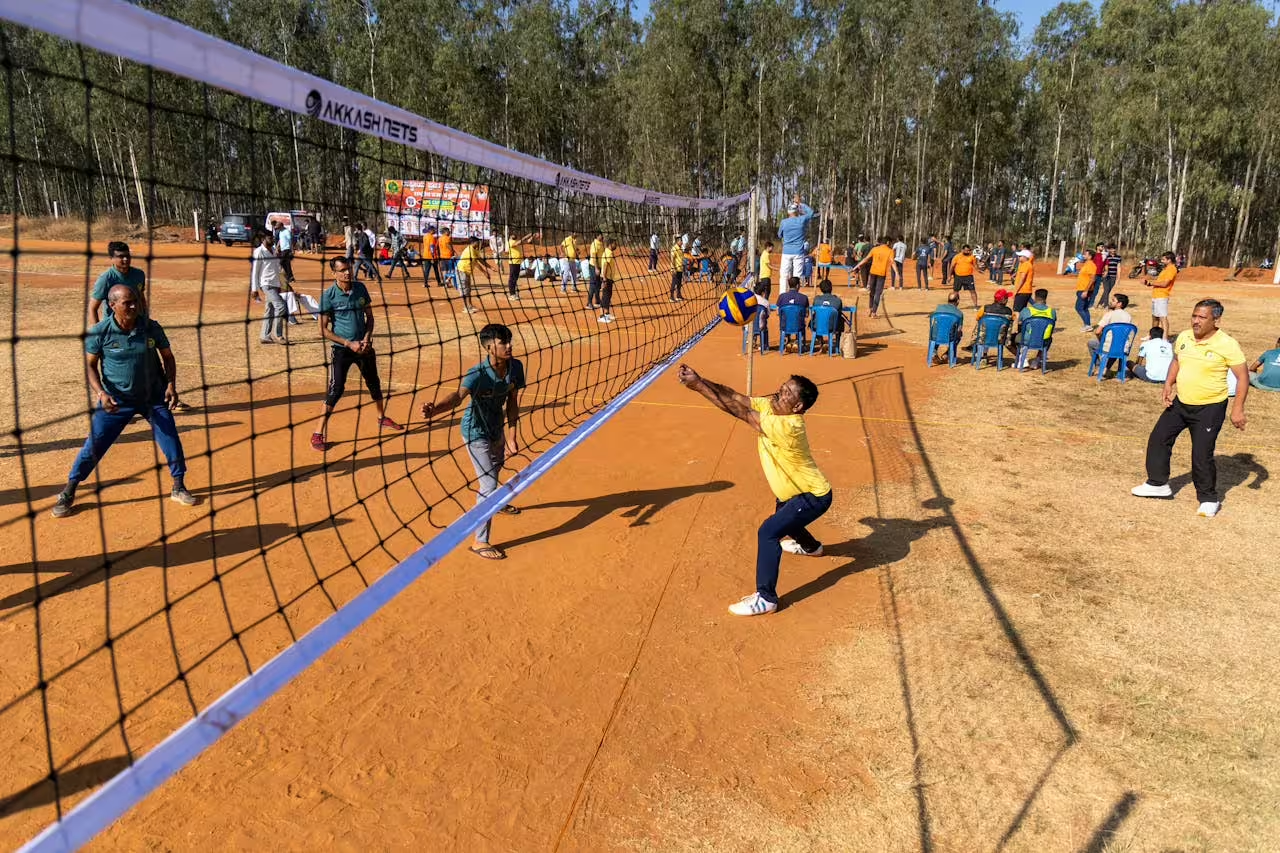
Sensitive though they might be, some children actually enjoy team sports, though they may sports with smaller teams and less intensity. Volleyball, baseball, softball, and golf are all good options that offer structured interactions and less players on the field.
Creative and Movement-Based Activities
Some children respond well to activities that blend movement with creativity like dance, gymnastics, and yoga. This is usually because these activities are more expressive than they are competitive.
The Importance of Environment
Interestingly enough, when it comes to sports, the environment often matters more than the sport itself. What that means is, a supportive setting can make even the most high-energy sports feel manageable to a sensitive child.
Look for programs that emphasize skill development over competition and that have positive, encouraging coaches. The more calm and organized, the better. Kids crave structure and calmer environments will help children ease into participation.

The Role of Coaches
Having the right coach can make or break a child’s interest in youth sports. The most effective coaches encourage effort over perfection and create a welcoming, inclusive atmosphere; even if your kid is a little shy. At the same time, they can communicate clearly, calmly, and concisely, providing constructive feedback, not outright criticism. Ideally, you want to look for a coach who understands different personality types who can help your sensitive child feel included and supported.
Helping Your Child Prepare
Parents of sensitive kids know that preparation can make a big difference in how that child reacts to new experiences; sports are no different. Before starting, talk them through what they might expect or even show them. Visiting the location ahead of time and meeting the team and coaches, can help them be ready for what to expect. Familiarity reduces uncertainty and prepping them ahead of time will make any new experience feel less overwhelming from the jump.
Managing Overstimulation
As we said, sports environments can sometimes be loud and busy, especially for kids with ADHD or other types of autism. If you notice your child becoming overwhelmed, consider taking a short break. Maybe arrive a little early to beat the crowds or bring them a familiar item like their favorite toy, a favorite water bottle, or even a towel. It’s vitally important that parents learn to recognize the signs of overstimulation and react accordingly. Not doing so will potentially foul the whole experience for the child.
Navigating Emotions
Sensitive children may feel emotions more intensely during sports. For instance, they might take losses more personally or feel discouraged and anxious. As a parent, the best you can do is help them cope by normalizing those feelings and reinforcing that mistakes and worries are part of sports. In time, your child will learn to manage those emotions and relax.

Cultured Athlete Says…
As you can see, just because a child is sensitive, doesn’t mean there isn’t a sport out there that they can enjoy. Remember, with thoughtful guidance, the right environment, and a supportive approach, sports can become a powerful tool for building confidence, even in the most sensitive of children. At the same time, the right sport can also teach them resilience and allow them to enjoy sports in a way that even they never considered. In the end, our goal as parents is to gently expand their comfort zone, not push them aggressively past it. When we support our kids, we learn how much they are capable of, and more importantly, they learn the same thing about themselves.
Discover more from CulturedAthlete
Subscribe to get the latest posts sent to your email.