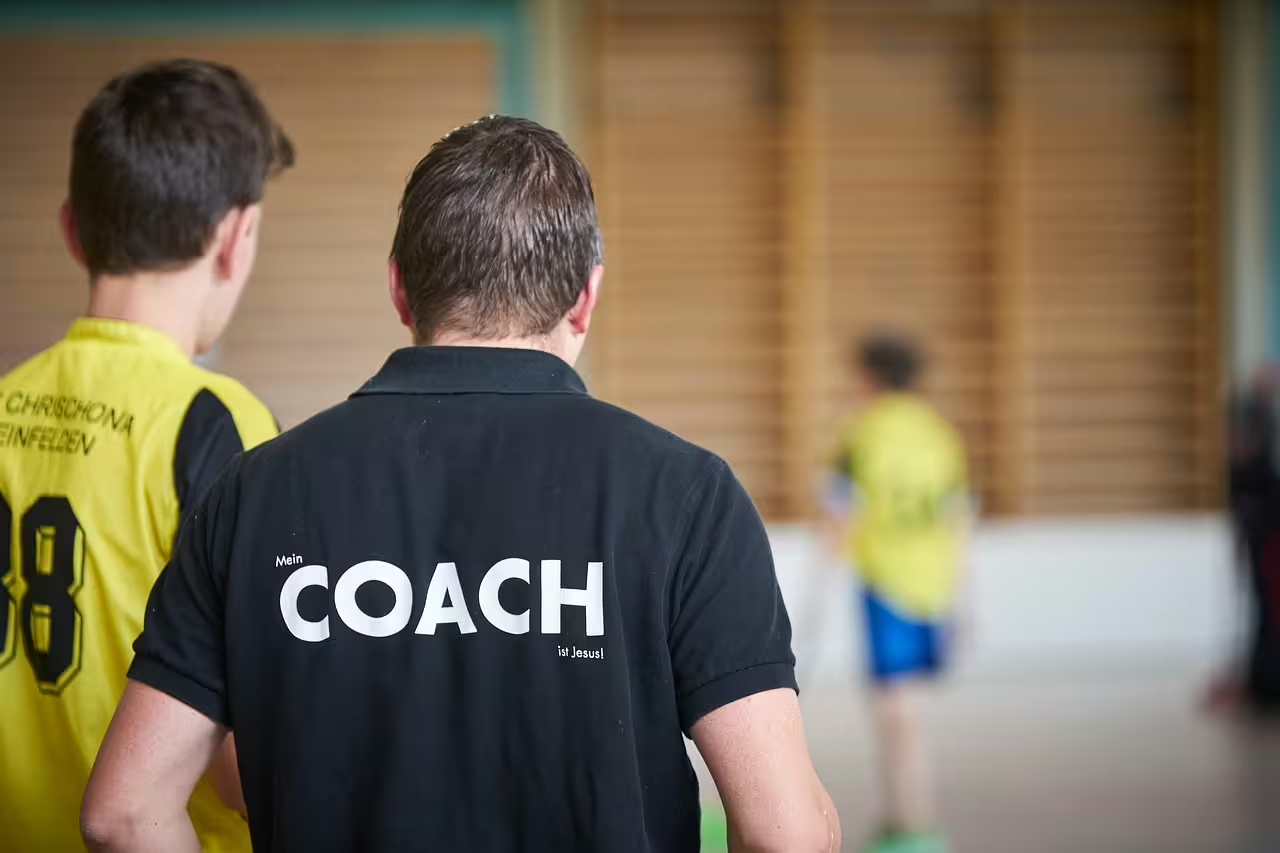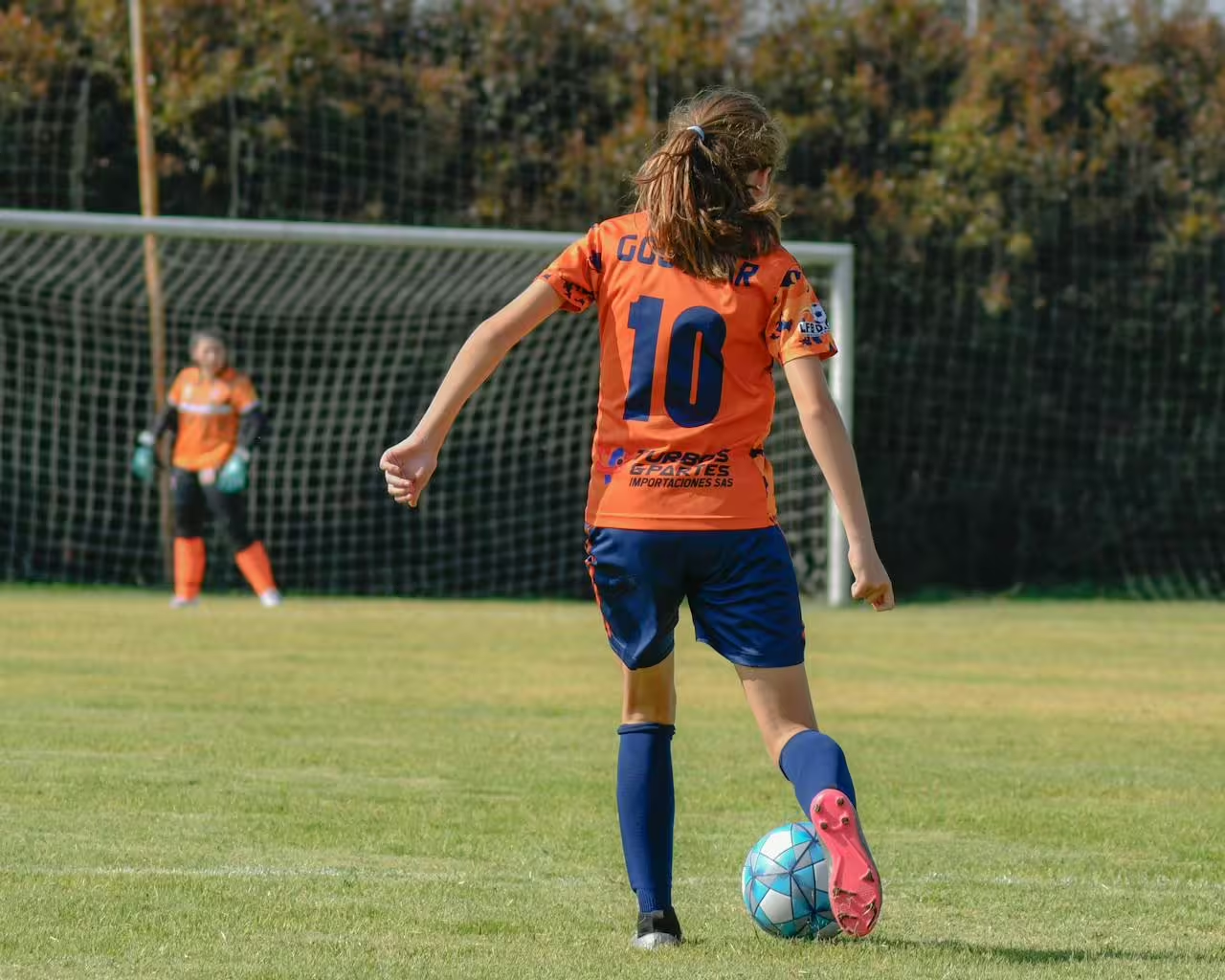
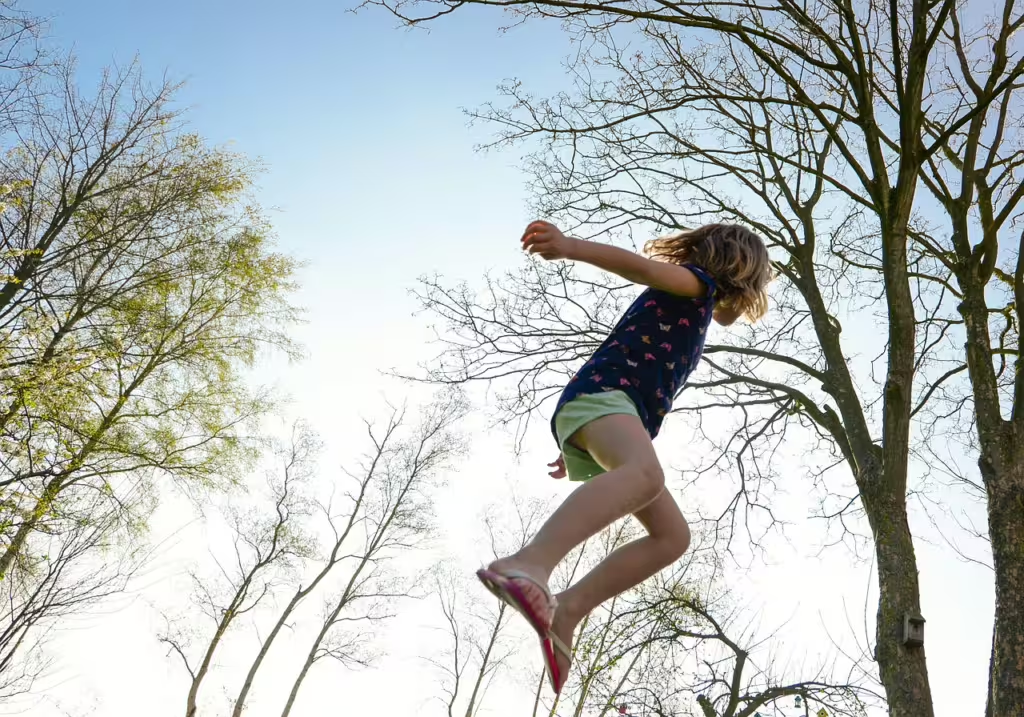

When a sports season ends, many families, and especially young athletes, welcome the break. Sports seasons can be jam-packed with scheduled games and practices. Between early morning scrimmages and constant travel to larger events, youth sports can often feel like a whirlwind for families. That said, the “off-season” doesn’t have to mean stopping activity altogether. In fact, despite the much-needed break, it’s actually best NOT to fully detach from sports for the entirety of a season.
The reason we say this is because taking some time to play or practice during the off-season might be end up being quite valuable for a young athlete’s development. And we want to be clear, off-season training isn’t about pushing kids harder or filling every free moment with difficult drills to “keep them sharp.” Instead it is about balance; giving children space to recover while helping them keep up their skills, strength, and confidence while they wait for competition to continue in earnest.
In this article, we will teach parents the best ways to approach off-season training, while still allowing
What Is Off-Season Training?
When we’re talking about off-season training, we are referring to the period between competitive seasons, when one sport ends and others begin. At this time, athletes from certain sports get a little time off. They aren’t playing in games or formal leagues, so they can play on their own terms, should they want to.
During this time, the focus shifts often from competition to play, but there are elements of development that parents ought to consider as well. They want to keep a watch on a child’s general fitness, even as they allow much-deserved time for rest and recovery. The off-season can also be a time to practice cross-training other sports or focus on skill improvement. The goal is not to replicate the intensity of the season, but to support the child’s overall growth.
Why the Off-Season Matters
It’s easy to believe that athletic improvement only happens during games and practices. But the off-season provides young athletes with different opportunities to excel in their own time.
Time to Focus on Fundamentals
Without the pressure of competition, kids can slow down and work on their form and technique. At the same time, they can place greater focus on specific skills that may have fallen by the wayside during the excitement of the season. This kind of focused practice is often difficult to achieve between games, scrimmages, academics, and planned practices.
Reduced Pressure
We all know how stress can wear on kids and believe it or not, sports can actually add to that in a significant way; even if we don’t mean for it to do so. Games and standings can create a mountain of added stress for young athletes that only compounds the social and academic pressures they already feel.
The off-season offers kids a more relaxed environment, often bereft all academic and sports-based stressors; at least in terms of summer vacation or winter breaks. It also gives kids the freedom to experiment with the rules of their chosen sport or to try out different ones. This type of loose play can help prevent burnout, while giving young athletes space to enjoy sports again!
Physical Recovery
Sports seasons can be physically demanding, especially for younger children. The off-season allows them to rest, recover, and reset for the next season. It also allows them to heal minor injuries. We’ve said it before at Cultured Athlete, proper recovery is the key to long-term performance, injury prevention, and maintaining a child’s dedication to and enjoyment of sports.
To be fair, rest does not necessarily equate to inactivity, we’re not talking about sitting on the coach and watching TV for weeks on end. Still, getting proper downtime is essential. Kids gain mental and emotional benefits from these breaks away from structured training. They need time to mentally recharge and need to be able to engage in unstructured play. This balance is what helps kids maintain a healthy relationship with sports both on and off-season.
Cross-Training: Trying New Activities
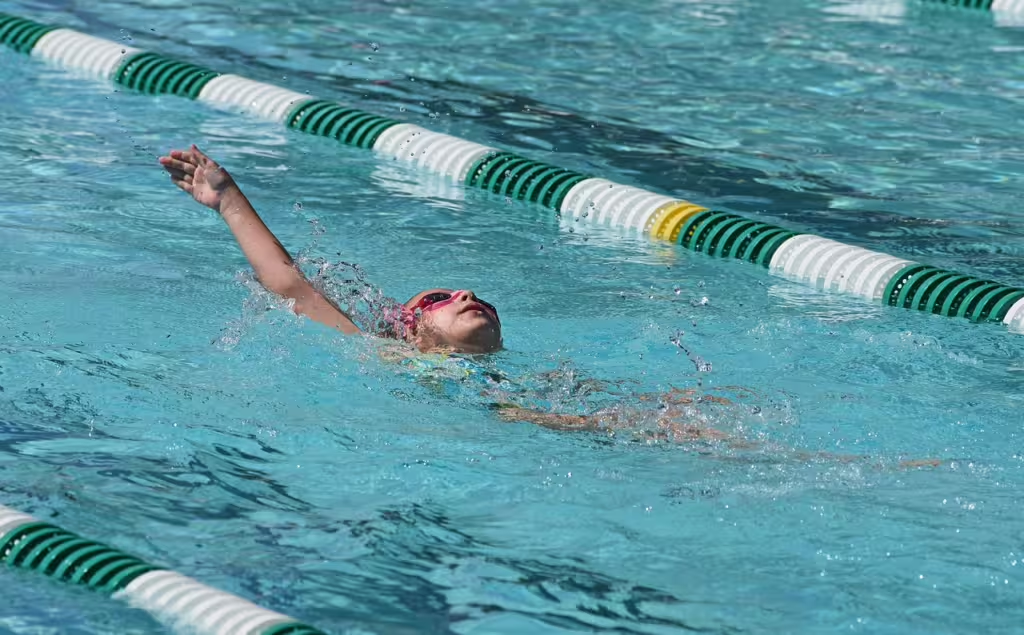
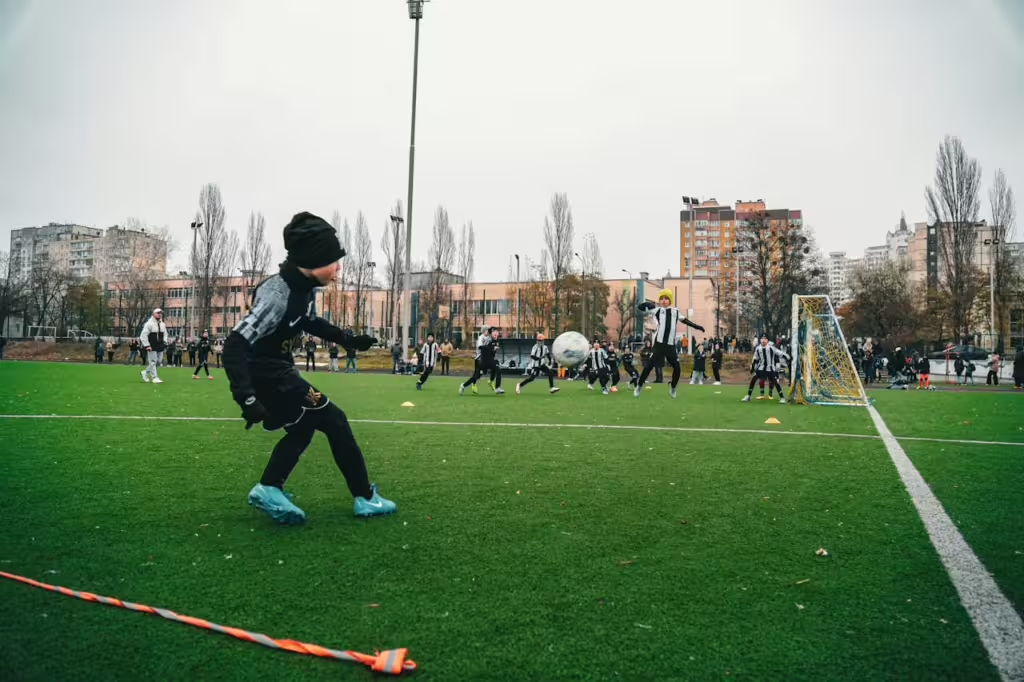
One of the best uses of the off-season is cross-training. This refers to kids participating in different sports or activities at different times. For example a soccer player might try swimming when they are off during the summer, while a basketball player might explore track or tennis as alternatives from time to time.
Cross-training helps young athletes to develop different muscle groups and improve their overall coordination. It also helps reduce the risk of overuse injuries, enhance or learn new skills, and reduces the risk of overuse or repetitive stress injuries. Overuse injuries tend to happen when an athlete does the same motion over and over, wearing out muscles or putting undue pressure on certain groups over time. Also, playing different sports helps to keep things fun and fresh.
Avoiding Overtraining
One common mistake that parents make is treating the off-season like a second season. There is such a thing as too much training. Failure to give young athletes adequate, meaningful breaks can lead to fatigue, loss of motivation, and an increased risk of injury. The trick is to create a balanced schedule with adequate activity, rest, and free time. To that end, we’ve included a sample off-season plan that parents can use as a guideline.
Creating a Simple Off-Season Plan
A simple weekly approach might include:
- 2–3 days of light skill work
- 1–2 days of general fitness or cross-training
- 1–2 rest days
- Plenty of unstructured play
Remember, this isn’t gospel. Flexibility is key in all things. Plans can be adjusted based on your child’s interests and their current energy levels.
When to Take a Complete Break
Sometimes, the best choice is a full break from structured sports. This can be especially helpful if your child is already showing signs of burnout or if they have been playing the whole year-round already. Just ask them; maybe they need time to rest. Think about it, even a few weeks away from organized activity can renew energy and interest in that activity. Absence does indeed make the heart grow fonder in many cases.
Cultured Athlete Says…
As you can see, off-season training is not about doing more; it’s about doing the right amount. Parents with kids who play sports will want to balance any “official” off-season practice and activity with an equal amount of rest.
Balance is always difficult to achieve, but if parents are measured and observant, they will be able to help their kids build up skills and find new ways to move and grow, without inserting any of the typical “in-season” pressures young athletes often feel.
In the end, we need to view this guaranteed downtime as an opportunity for our children to recover, to develop, and to return stronger, more confident, and ready to enjoy the sport as soon as the season starts back up.
Discover more from CulturedAthlete
Subscribe to get the latest posts sent to your email.