

The mindset of parents with young children in 2026 is a minefield of concerns; take it from someone who knows. The regular dangers they face in their day-to-day, from injury, stranger danger, and the like, are compounded in the modern age by the dangers posed by the internet and social media, not to mention the unrealistic expectations imposed on our kids by the media at large.
And while youth sports are often seen as a positive force in a child’s life, there are aspects of them that fit into the list of concerns mentioned in the previous paragraph. For while these sports do promote fitness, teamwork, and confidence, the can also shape the way that children see their bodies; especially when their peers and the media weigh in.
Many of us have our own unpleasant recollections in regards to our own body image in our teenage years. So as much as we hate to admit it, body image will invariably become an increasingly important part of our kid’s self-identity. Sports is in a weird spot here, because it can either support a healthy perspective or unintentionally contribute to the innate pressure and comparison they’re already going to feel.
In this article, we will discuss the concept of body image and how parents can help their children develop a strong, positive relationship between their bodies and their chosen sport.
What Is Body Image?
For those that aren’t familiar with the term, body image refers to how a person thinks and feels about their physical appearance. In the case of young athletes, this doesn’t always have to do with just their appearance in a mirror. It can also be influenced by their athletic performance, feedback from coaches and adults, or comparisons to their teammates and peers.
There is also some measure of societal expectation for athletes to “look healthy,” though much of that is due to the expectations created by the media and fashion industries. In any event, a healthy body image should be measured by a child viewing their body as capable and valuable; not just something to be judged by the opinions or expectations of others.
How Sports Can Positively Shape Body Image
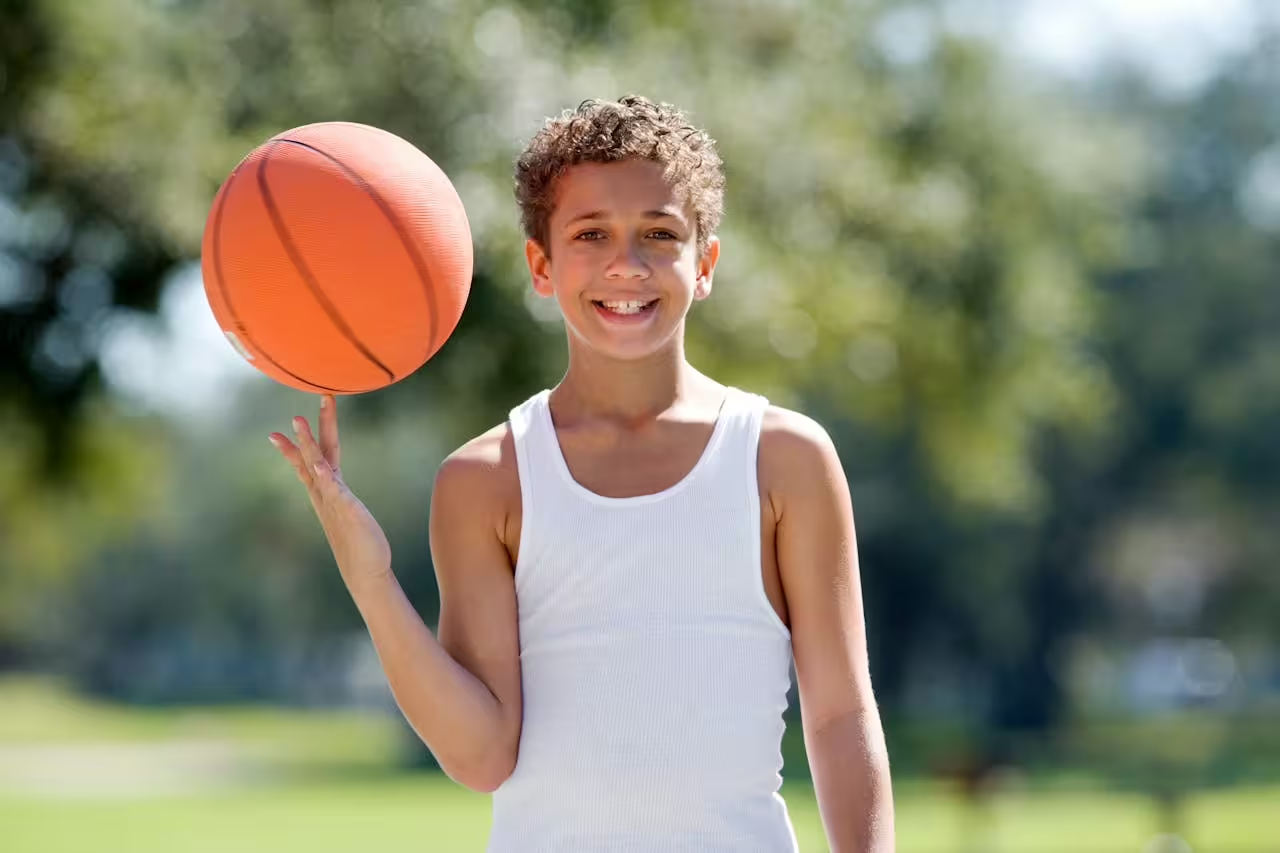
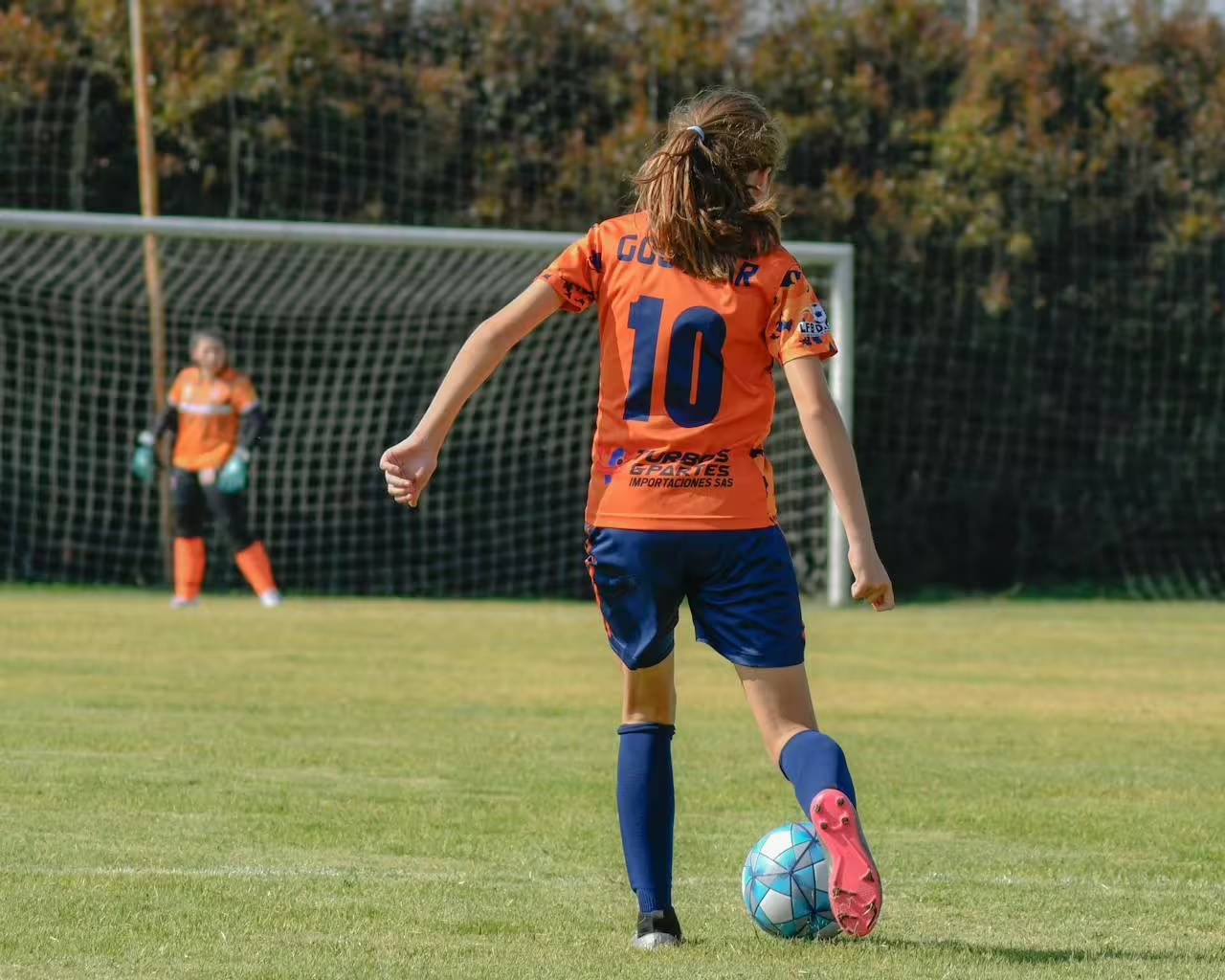
Believe it or not, youth athletics can be a powerful tool for building a positive body image. This is partly because sports naturally emphasize what a body is capable of doing, not what it looks like. Basically, youth sports can teach kids how to appreciate their own strength, speed, coordination, or endurance. Confidence also improves as kids learn to play their chosen sport. As they master passing, kicking, running, flipping, and forms, they learn they are capable. Put all this together and kids learn how to feel proud, not ashamed of their bodies.
Encouraging Healthy Habits
Due in part to the fact that you need to be at least passably athletic to play them, sports promote a balanced diet, regular exercise, and adequate rest and recovery. These habits support both physical and emotional well-being.
When Challenges Arise
Despite these many benefits, certain aspects of sports can create pressure around the way teens view their bodies. Teens are constantly comparing themselves to their peers. If their friends are taller, stronger, more developed, or even if they are able to perform at a higher level, then they feel as though they are lacking something. The same is true for so-called “good looks,” which we adults know are subjective but teens can only see as a barrier to popularity, companionship, or happiness. In any event, these comparisons can affect self-esteem, especially during growth spurts.
Sport-Specific Expectations
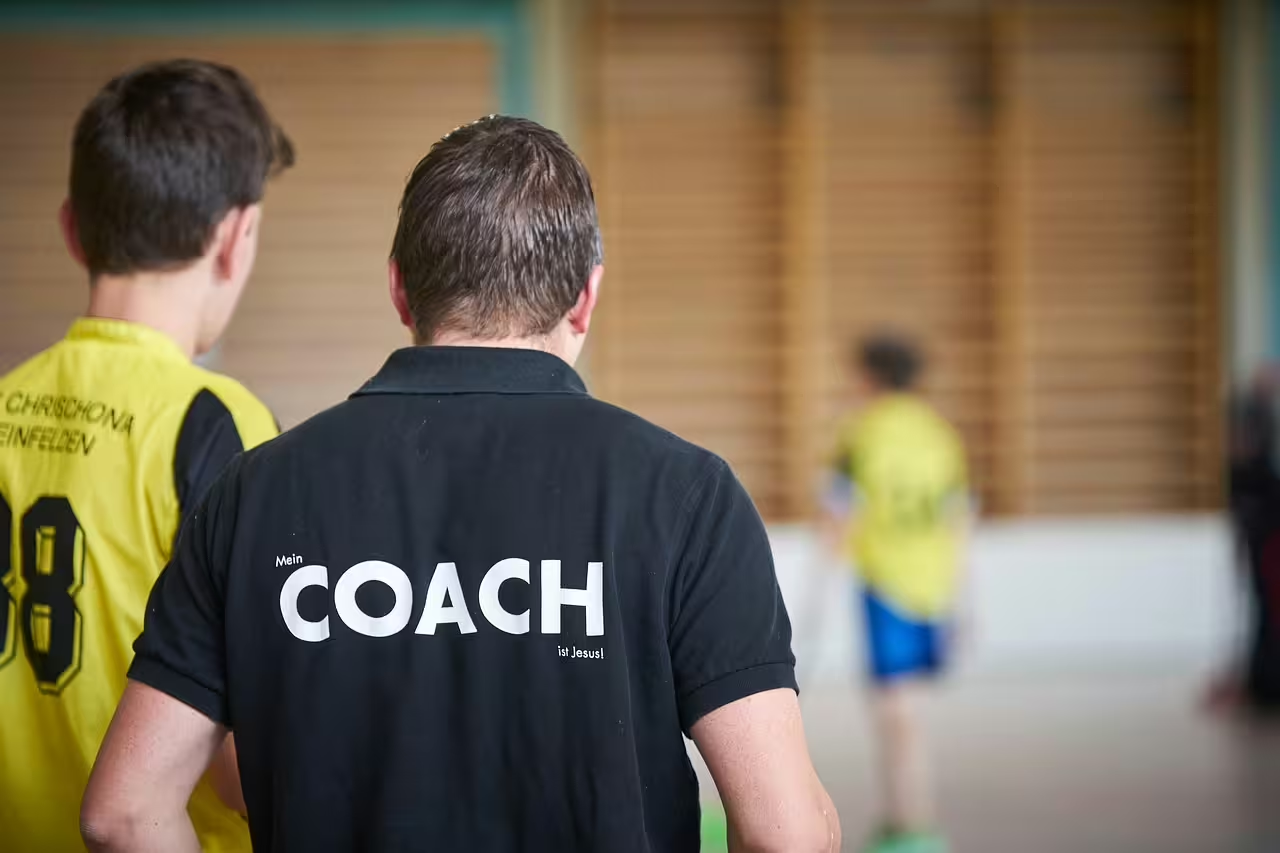
There is also the fact that some sports emphasize certain body types. There’s no getting around that gymnastics and dance tend to focus on leaner builds, basketball players are tall, or that football players are generally broad, strong, or larger than their peers. To say these expectations are unspoken is something of a fallacy, because children can pick up on them rather quickly.
External Pressure
We don’t like it, but sometimes coaches, teammates, or even other parents will say something about how a teen or child looks. However unintentional those statements are, they can seriously influence how a child feels about their body. This is especially true when what is said happens to refer to the person’s weight, size, or appearance.
Warning Signs to Watch For
There are certain signs that a child may be struggling with body image that parents need to be aware of. If you notice your child saying negative comments about their body or if they seem to be avoiding sports or social activities they once enjoyed. If they are placing excessive focus on weight or appearance, change their eating habits in a notable and negative way, or simply affect an increased frustration or withdrawal. Remember, early awareness allows for supportive conversations and intervention if needed.
How Parents Can Support a Healthy Body Image
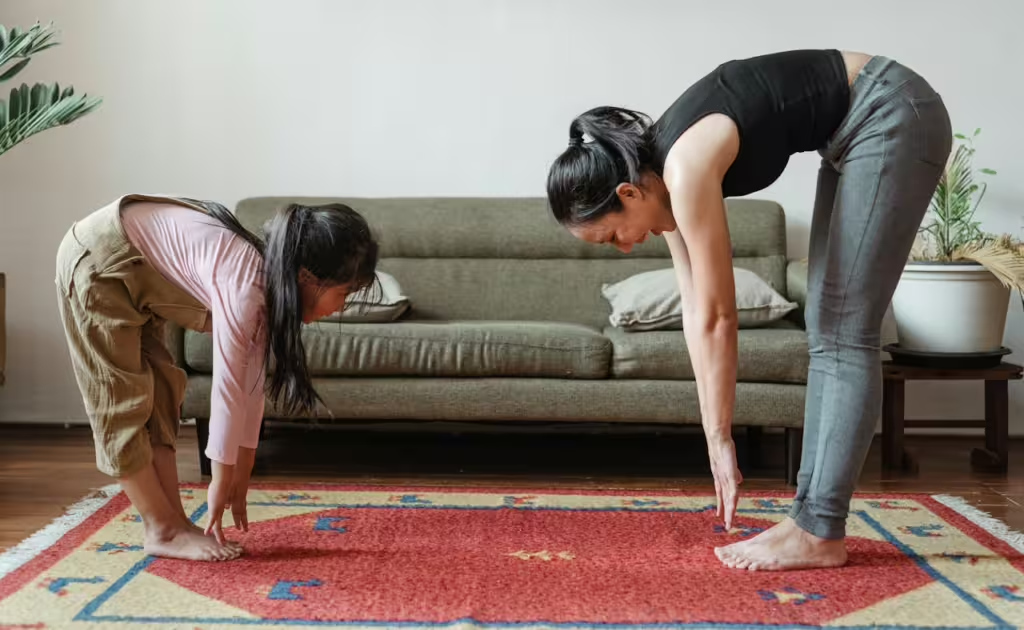
Parents play a powerful role in shaping how our kids and teens view themselves. We can help them focus on their effort and ability over their appearance. This reinforces a performance-based mindset. At the same time, be careful of the language you use, not just to describe their appearance but your own. Avoid negative comments about weight or appearance and never, ever compare your child openly to others; especially not in their presence.
Try and make informed, positive choices about nutrition and exercise and encourage your children to do the same. Emphasize the importance of a balanced diet, proper hydration, and adequate rest. finally, do whatever you can to keep them away from social media as long as you can. The less time your child spends comparing themselves to others is more time they will have learning to believe in and appreciate who they are, not who they aren’t.

Cultured Athlete Says…
As you can see, body image might be an unfortunate hurdle that you and your child will ultimately have to overcome together, but youth sports can prove to be a tool to help you do so. As parents, our most important role is to help create a supportive environment both at home, and on the playing field; one where our children feel valued for who they are and not just how they look or how well they perform. The key, as always, is to focus on fostering a healthy relationship with their body and a self-confidence that they can take with them wherever life ends up leading them.
Discover more from CulturedAthlete
Subscribe to get the latest posts sent to your email.