
Here at Cultured Athlete, we often talk more about how youth sports affects children below the age of 10. At times, we have waded into the area of high school and even early college sports, but middle school often gets overlooked; and that’s our bad.
The truth is, middle school is an important time for children. It’s a time of physical growth, yes, but also social and emotional. Friendships are often tenuous but also become much more important to who that child is becoming. At the same time, those friendships are often tied to a child’s confidence, which can rise and fall at the drop of a hat. Middle school kids often need to learn how to navigate a complex social world that they have very little experience with; and this is where sports can help.
During these trepidatious years, team sports can provide middle school-aged kids with excellent opportunities for developing their social skills and their communication skills. In this article, we will discuss how enrolling a preteen in team sports can help them learn how to listen, speak clearly, solve conflicts, and most importantly, make friends.
Why Communication Matters in Team Sports
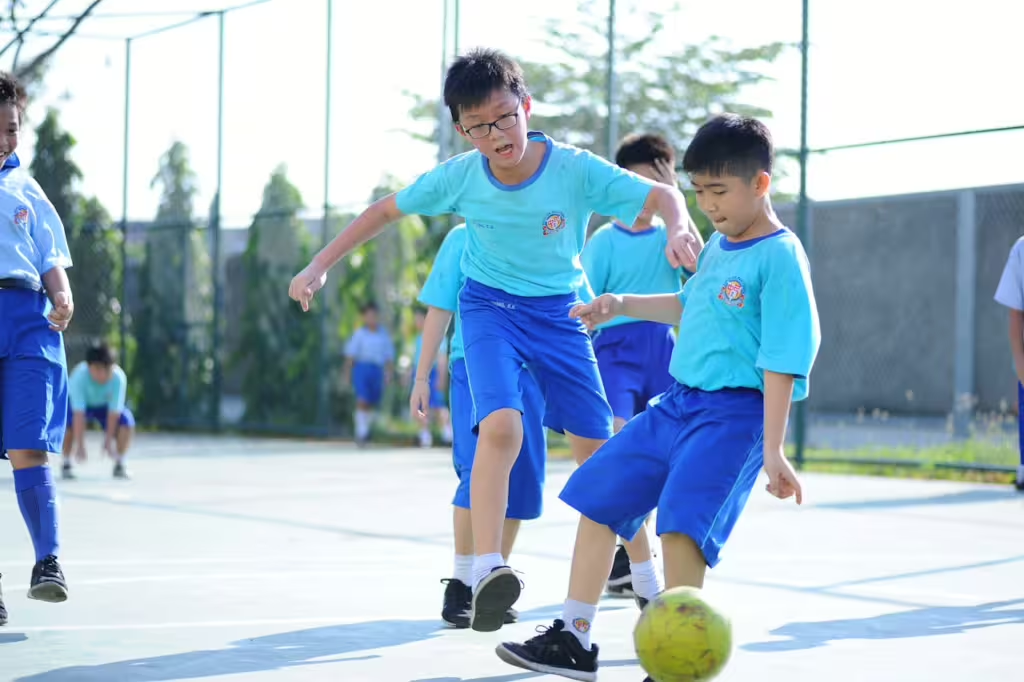
By now, longtime readers will understand that when it comes to finding success in team sports, communication is key. During the course of a game, players need to be able to not only coordinate movement and strategy, they need to be able to share information and respond quickly when that information changes the status quo. At the same time, they will also need to encourage one another, before, during, and after the game.
Basically, without proper communication, teamwork becomes difficult, even downright impossible; and so too, does victory. While all youth sports provide kids with repeated opportunities to practice these communication skills in real-time situations, middle school sports tend to be a more volatile proving ground for these types of lessons. This is mainly due to the fact that hormonal kids aren’t always the most “reasonable” when it comes to emotions or proper communication.
Learning How to Listen
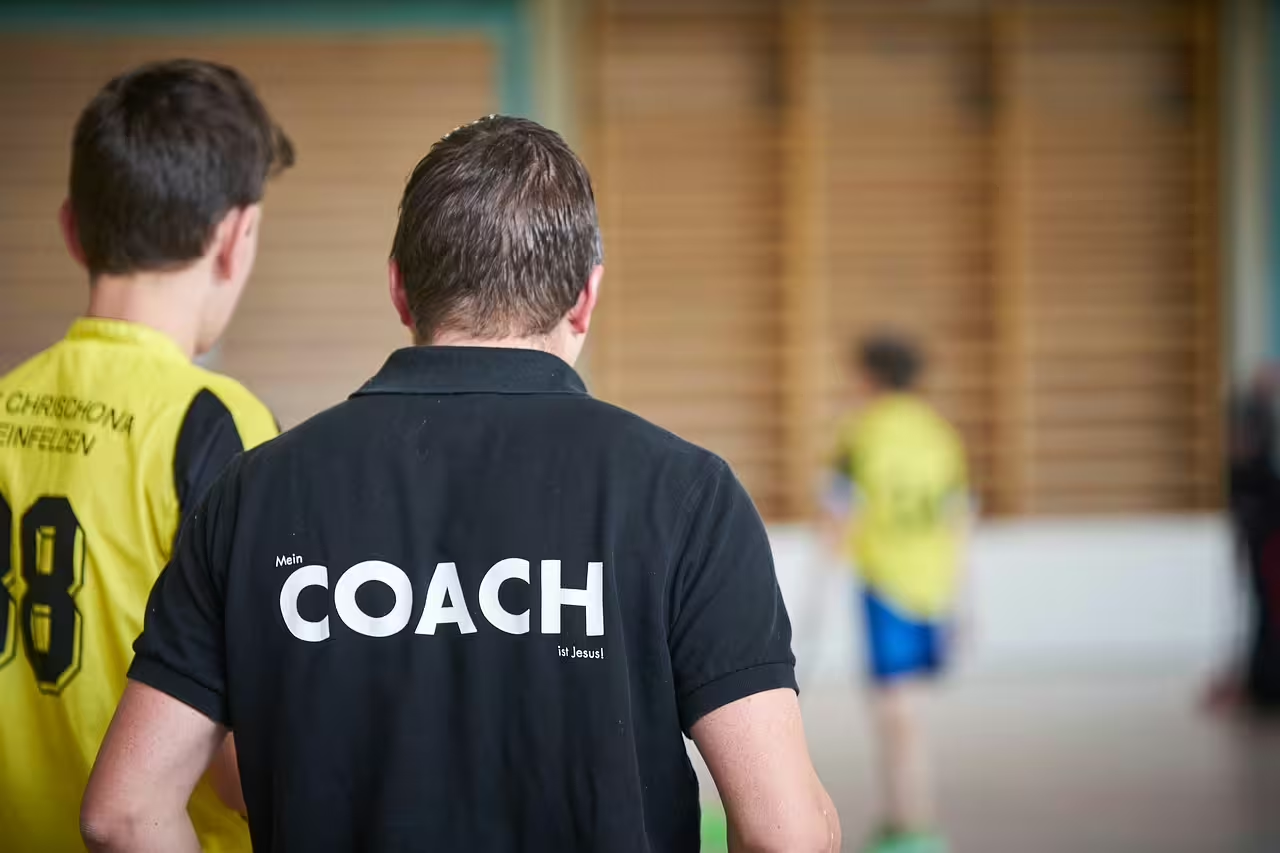
Despite what many parents may have noticed through their own children’s behavior during their early years, communication and listening skills often improves as a child gets older. Indeed, one of the most important communication skills that preteens develop through sports is listening. After all, athletes must follow their coaches or captain’s instructions, as well as pay attention during drills or practice exercises.
During games, players need to listen to their teammates, heed their words, and focus on something greater than the stubborn, hormonal voice in their heads. These types of listening schools aren’t just good for bringing the team success, they can help in academic and social settings beyond the sports field. They can help kids listen better in class, be more attentive in their friendships, and work better in groups.
Speaking Clearly and Confidently
Team sports aren’t just about listening to others, but about teaching oneself to be heard. Sports often encourage children to speak up, not just when they are calling for the ball but when they are alerting their teammates, sharing ideas, or asking questions. Shy or quiet children may have already been struggling with this and sports may provide them with a place where they can finally open up.
Sports at middle school level can provide children with a more structured environment, a safe environment where speaking up isn’t just necessary, it feels natural. Over time, the experience may help kids become more comfortable communicating with confidence, and that is a skill that will help them in professional and academic settings down the line.
Building Teamwork Through Communication
Successful teams depend on cooperation to run smoothly. Proper communication effects the entire group and can lead to success, while poor teamwork and communication can only lead to failure. This is a tough lesson, but is often thoroughly learned within the first few practices and games of a child’s middle school sports career. Moreover, it is a lesson that carries into social and academic environments.
Handling Conflict and Frustration
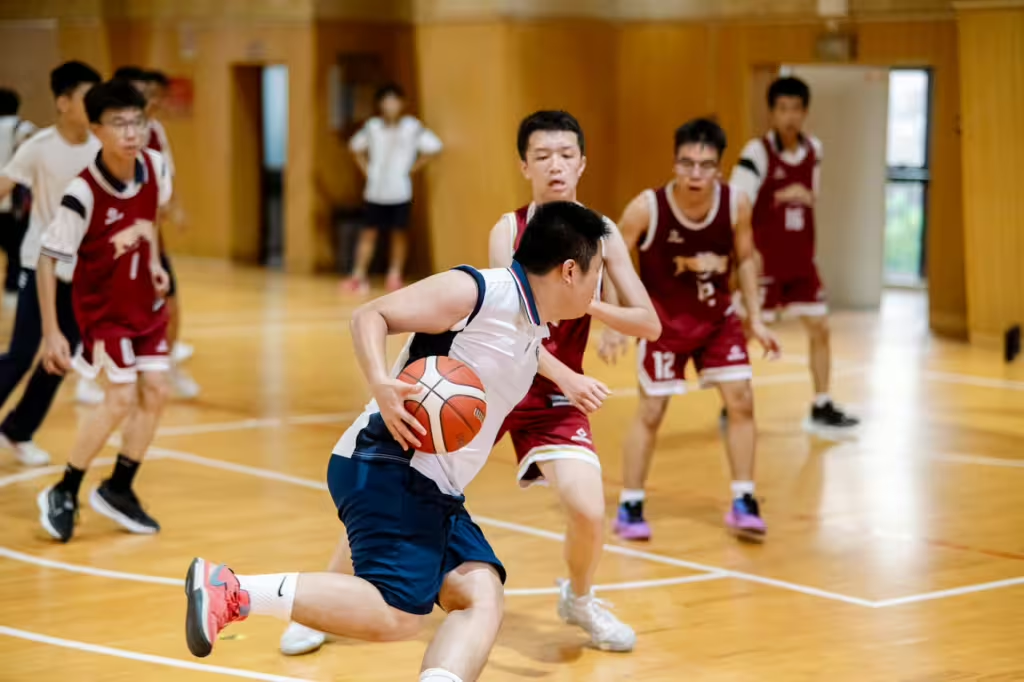
Teens are emotional, especially when their hormones are only just beginning their dizzy dance into adulthood. As a result, middle school sports are naturally going to involve emotional moments from time to time. Navigating these emotions is not easy, even for the most well-adjusted kid, and it can often lead to communication issues.
Children may experience disagreements, frustration at their mistakes or those of others, and competitive pressure; all of which can contribute to an ornery preteen. The thing is, these situations also create opportunities to practice healthy communication. If they are able to get through their emotional turmoil, those young athletes will eventually learn how to stay respectful during disagreements and express their frustration appropriately. This will also help them to resolve issues with teammates, which can fix even the most fractured of friendships.
Understanding Nonverbal Communication
Communication isn’t just about speaking ones mind and listening with one’s ears, it can also be about nonverbal information sharing. Through constant exposure and teamwork, players also learn to interpret the body language, hand signals, and facial expressions of their teammates, coaches, and their opponents. Some of the more observant kids will even be able to use this skill to read the movement patterns of the the opposing team to point out weaknesses in their strategy.
Learning Accountability
Middle school kids aren’t well-versed in the lessons of accountability at the start of the season, but they will have to learn to be. There are times when players need to admit mistakes, apologize for acting badly, and accept responsibility for what they’ve done. Such experiences are vital for teaching kids about honesty and personal responsibility, and they show kids that clear communication is the key to solving problems; even if they are in the wrong.
Cultured Athlete Says…
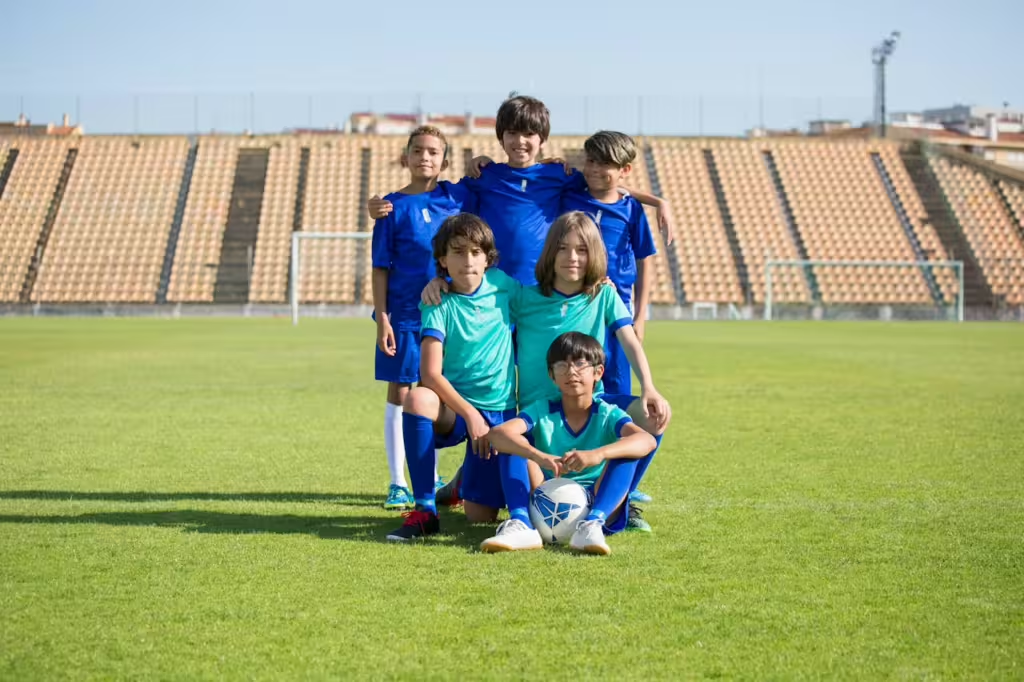
As you can see, encouraging middle school-aged kids to play team sports isn’t just a good idea, it might well be one of the best parental decisions you make for their social development. Sports create opportunities for even the most awkward preteens to develop valuable communication skills that will aid them at many different stages of their lives.
As they interact with their teammates, coaches, and even their opponents, kids learn to listen and to speak up, they learn to work together and resolve conflicts with their peers. In essence, the middle school sports field becomes a proving ground that teaches children how to interact effectively with others in real-world situations.
Discover more from CulturedAthlete
Subscribe to get the latest posts sent to your email.