
For many families, youth sports schedules are a logistical nightmare, only kept at bay by the fact that at least it keeps the kids busy enough to tucker them out every night. We joke of course, we know that youth sports is about so much more than giving kids something to do; they’re about enriching their experience, helping them improve, and building skills and emotional tools that they can take with them throughout their lives. That said…scheduling youth sports can get rather hairy at times.
Practices, games, travel, training sessions; it’s a lot and what’s more, it often leaves little room for your child to do anything else. And again, while organized sports provide valuable structure and skill development, free play and free time, in general is just as important to a positive youth sports experience. Sure, that free time may be separated from the sports themselves, but that’s kind of the point, isn’t it?
In this article, we will talk about the importance of free play and why unstructured, child-led games are so valuable to a child who is also engaged with youth sports. We will also instruct parents about the best way to balance this free time with their child’s organized sports schedule, so that their children can have a healthier, less-pressured sports experience.
What Is Free Play?
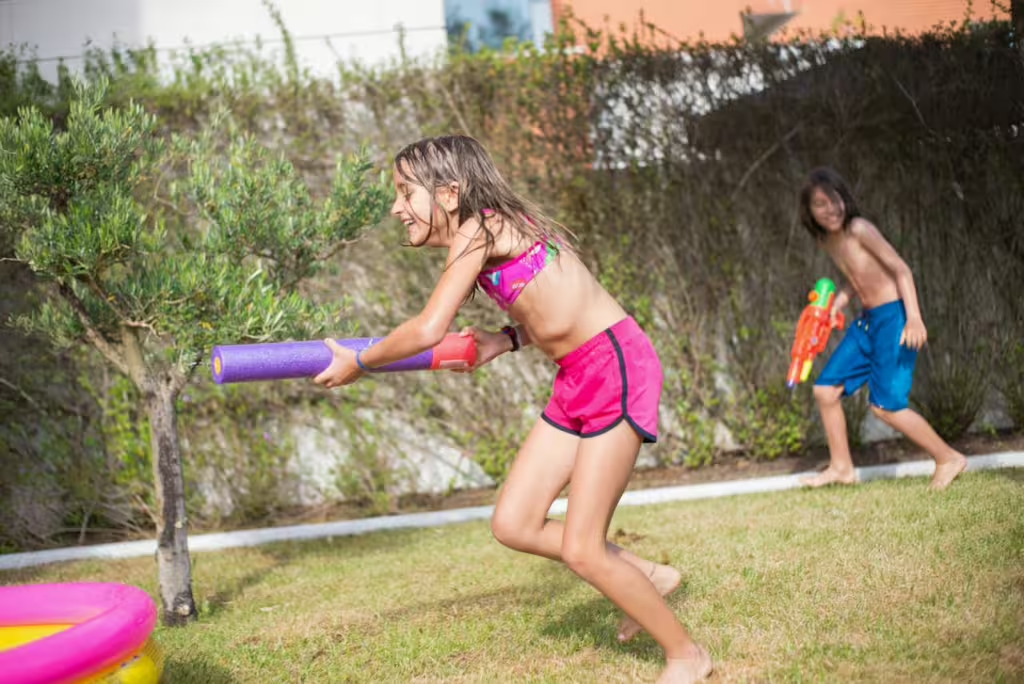
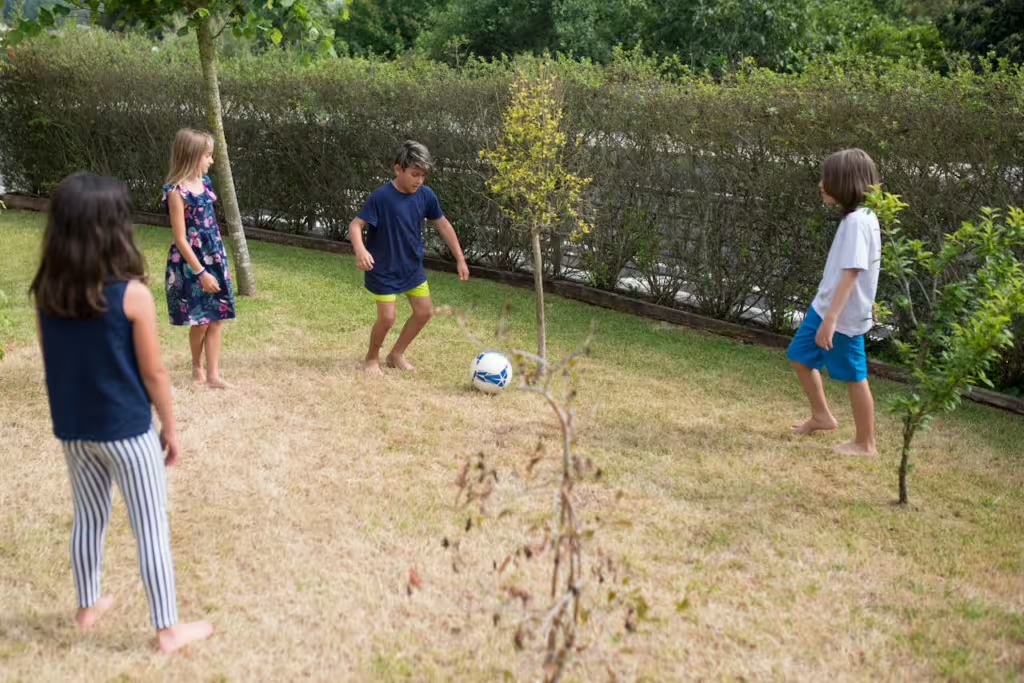
Free play is activity that is is at once, unstructured, self-directed, and driven by a child’s imagination or curiosity. We don’t know if we needed to define it but the main gist is that there are no coaches, no drills, and no formal rules for a child to follow. If there are rules, they aren’t and ought not to be, created by adults. Think about games like Calvinball from Calvin and Hobbes; an informal game where the only goal is to have fun.
When kids can make up their own games, their own rules, and decide how long and how intensely they play, they feel freedom; something that isn’t always intrinsic to many organized youth sports leagues. Such freedom enables children to explore physicality and movement in a more natural form.
How Free Play Complements Organized Sports
Organized sports have their purpose in a child’s life as well, of course. They provide value and help kids to experience structured skill development, team-based competition, and the coaching and instruction they will come to need at various points in their lives.
Free play offers something different, however. It gives kids space to breathe, lets them experiment with movement and practice skills without pressure. It lets them enjoy activity for its own sake. But it is important that kids get a bit of both, because together, these experiences can create a firmer athletic foundation for the future.
Building Creativity Through Movement
In structured practices, children are often told exactly what they have to do in order to “succeed.” They learn the right way to kick, throw, guard, even run. But in free play, they must decide things for themselves; often through trial and error. This exploration encourages creativity and adaptability, while allowing the child to flex their problem-solving skills.
For example, a group of kids playing an informal soccer game might change the size of the field or ddjust rules so that everyone can play, not just a select group of players. They might invent new ways to score or say kids can use hands for this round. The sky’s the limit! It might seem silly to some, but these moments build flexible thinking that benefits both sports and everyday life.
Reducing Pressure and Preventing Burnout
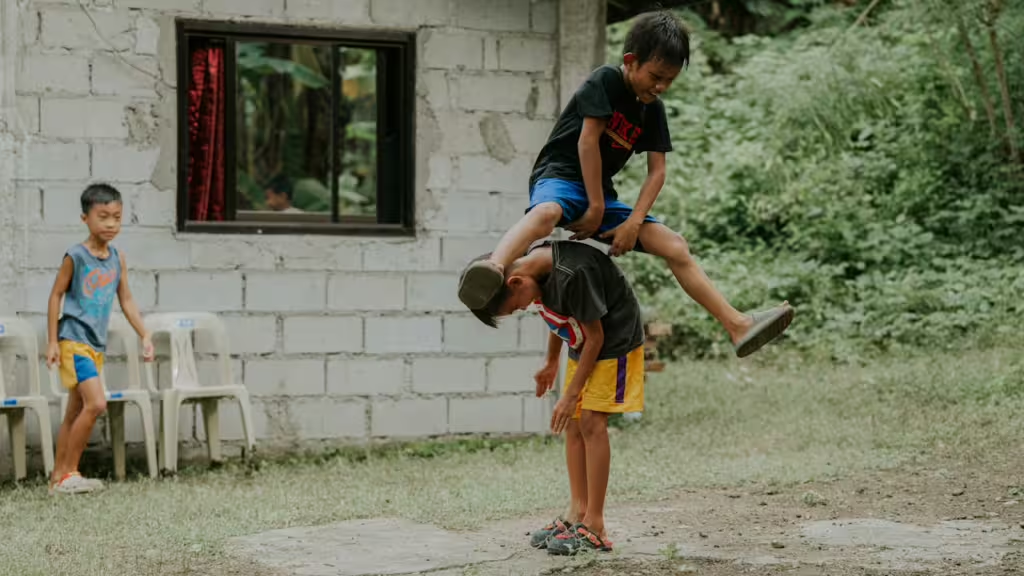
One of the biggest challenges that kids and parents face in youth sports today is burnout. A packed schedule full of practices, tournaments, and weekly games can quickly lead kids to feeling overwhelmed. Not only that, the high expectations from the team, coaches, community, and even their own self-expectations, might begin to affect the parents as well.
Everyone needs a rest now and then and free play is a way to alleviate the pressure and give everyone (parents included) a break from the overwhelming weight of expectation and overscheduling.
Too often, we adults feel the need to push our kids to “grind” the same way we do at our jobs; often without meaning to. In our minds, we’re helping them get better, letting them put the work in to succeed. But all of that can be too much, especially for younger children. And ultimately, keeping this balance helps maintain long-term interest and enjoyment.
Encouraging Social Development
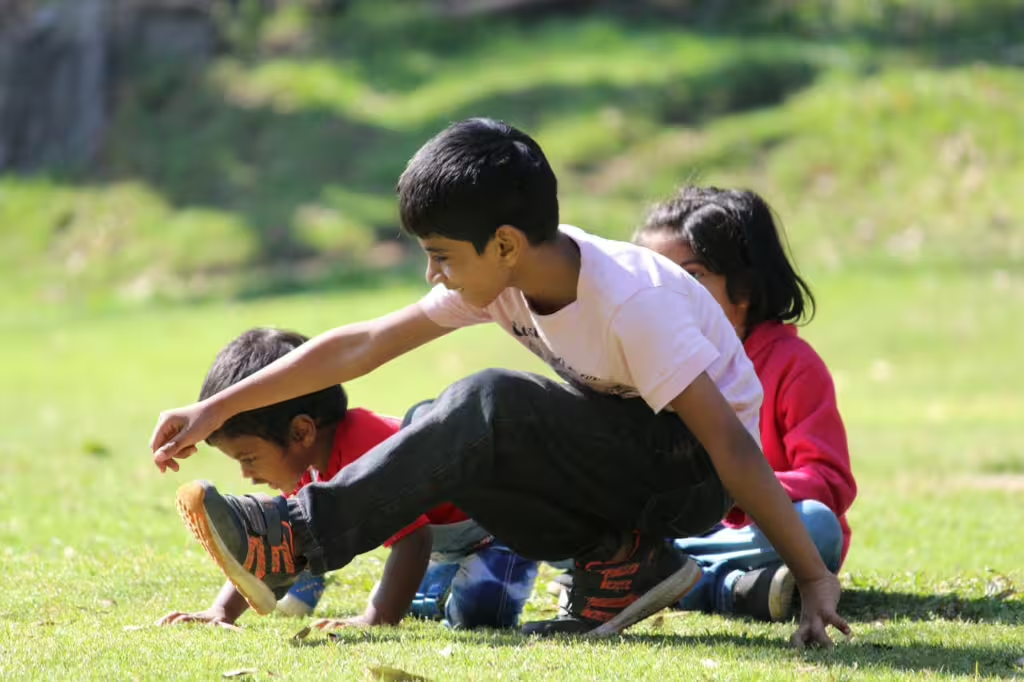
Free play with friends is a great way to encourage group interaction without getting the adults involved. Left to their own devices, kids learn to better communicate, negotiate, and resolve conflicts. This allows them to inadvertently cultivate vital social skills while allowing them to develop confidence in group settings.
The Value of “Doing Nothing”
In a busy schedule, it’s easy to feel like every moment should be productive. We adults are very guilty of this and it is likely a result of the modern “hustle culture.” Nevertheless, unstructured time — even time that looks like “doing nothing” — is valuable to children. Such breaks allow children to rest, recharge, use their imagination, and practice independent choice.
Cultured Athlete Says…
As you can see, free play might seem simple or even frivolous, but its impact is both powerful and essential to a child’s personal growth. Even when a schedule seems overfull, the act of playing something outside the auspices of one’s youth sport still manages to complement that sport. Free play provides kids with space for creativity and enjoyment, while lessening some of the pressure that even the most easygoing youth sports can place upon a child.
For parents, the goal was never about filling every spare moment with structured activity; such a plan is unsustainable for your child and for you. The trick, as always, lies in balancing the things you “have to do” with the things you “want to do.”
Ultimately, the best athletes, and the happiest ones, we might add, are those who not only learn the game, but also learn to love it. And the best way to make sure they love the sport they’re playing is to make sure they don’t hate it first! This means letting them do what they want in the moment between. So that, when they are ready to attend practice again, they are excited to get back into the swing of things.
Discover more from CulturedAthlete
Subscribe to get the latest posts sent to your email.