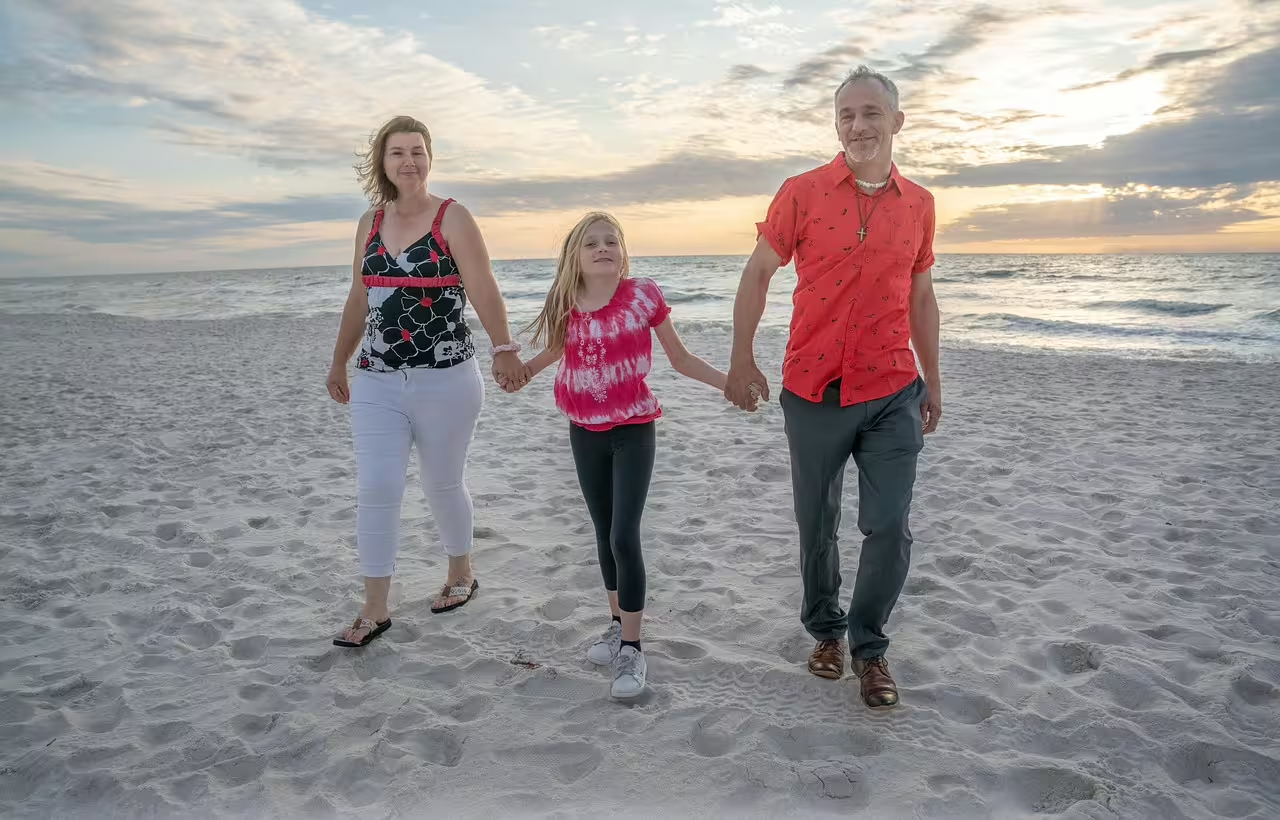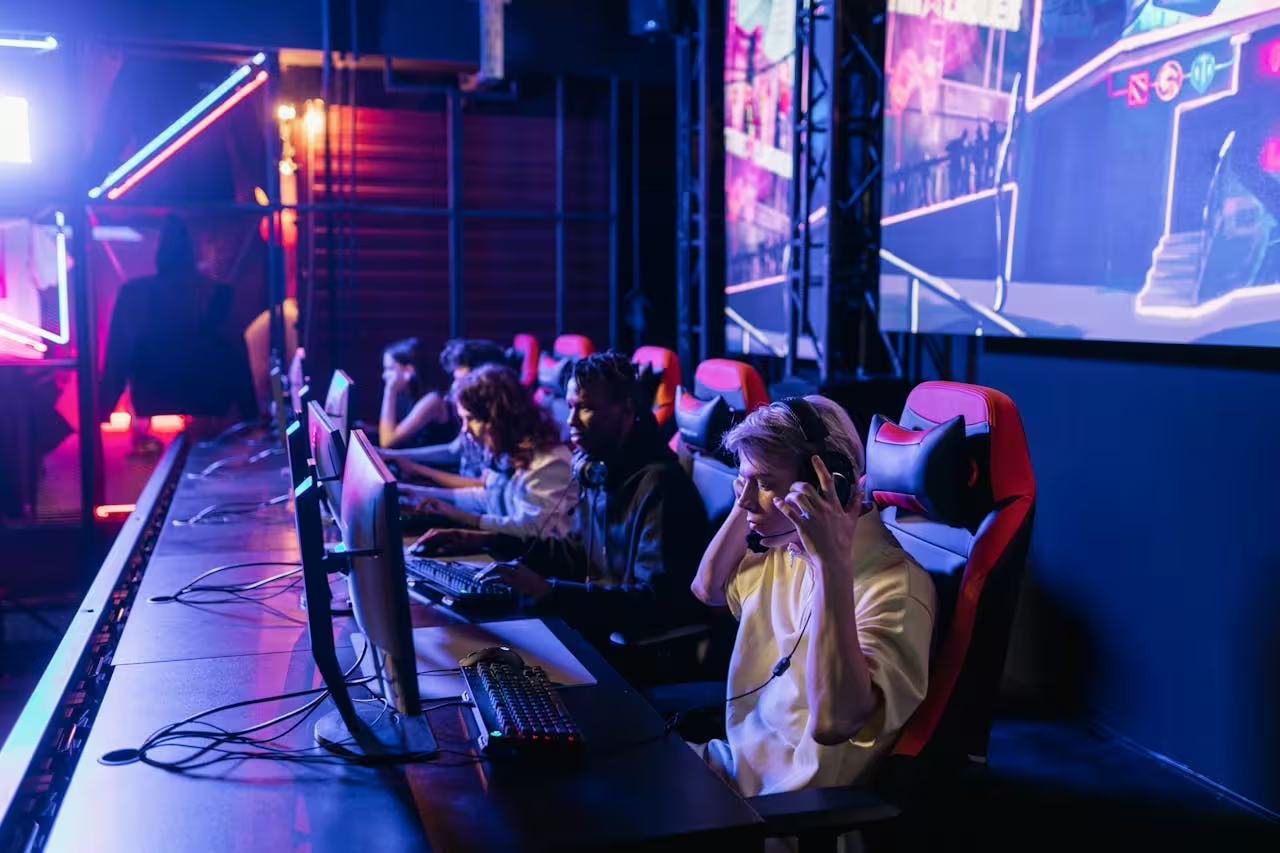


By now, we have seen how beneficial sports can be when it comes to instilling a love of athletics, building self-confidence, and enhancing socialization in children. Kids that play sports are able to make lasting friendships, while finding a sense of belonging amongst their peers. Unfortunately, for some kids traditional sports environments can sometimes feel uncertain or unwelcoming.
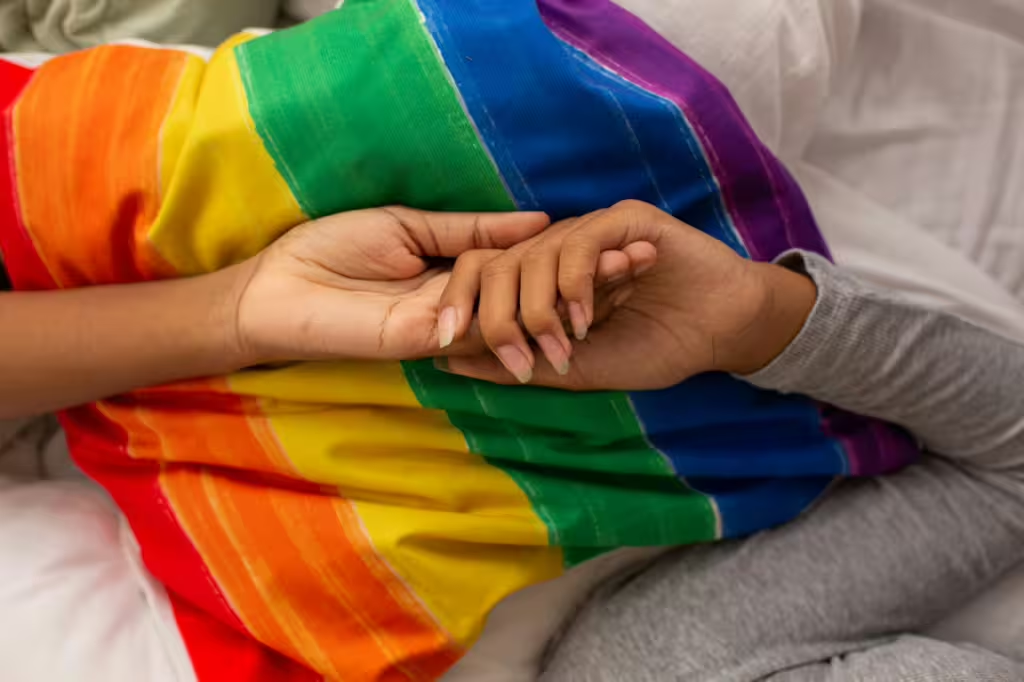
For kids that identify as part of the LGBTQ+ community, these concerns are more than surface-level, they can affect them to their core. After all, sports have the power to shape how children see themselves and how they view other people. This is why LGBTQ+ inclusive youth sports programs are so important in the modern day.
In this article, we will discuss these programs and the ways in which they focus on making sure every child, regardless of identity, feels safe, respected, and able to participate fully. At the same time, we will instruct parents on what to look for when searching for inclusive youth sports programs for their children.

What Does “Inclusive” Really Mean?
Ideally, any truly inclusive sports program goes well beyond simply allowing anyone to participate. The most effective programs of this nature, those that understand the tenets of inclusivity, are working to actively create a space where all identities are respected, all differences are accepted, and every young athlete, regardless of their gender or sexual orientation, feels valued.
In order to facilitate this acceptance, coaches and staff must pay close attention to the language they and the other athletes use. They must have a team culture and evince behavior that encourages inclusion, acceptance, and understanding. Finally, they need to have policies in place that support fairness and respect for all participants and their families. In truly inclusive programs, inclusion is not just a rule, it’s a mindset that shapes the entire experience.
Why Inclusion Matters in Youth Sports
Sports are often one of the first places that children experience teamwork. For many, it’s the first place they experience social interaction or make friends outside of school. For LGBTQ+ youth, these environments can be a sort of mixed bag; depending on your community at large. They can either build up a young person’s confidence and help them feel that they belong or create added stress and make them feel more isolated than they might already feel.
Inclusive programs are a way to make sure the latter feelings do not occur. In recent years, they have become a means of ensuring that sports remain a positive experience for all young people. Inclusive sports programs enhance emotional the well-being, self-confidence, and social/emotional development of young athletes. After all, when kids feel safe, they are more likely to participate, improve, and enjoy the game.
Common Challenges LGBTQ+ Youth May Face
Not all sports environments are the same and not all of them are friendly. Despite how enlightened much of society has become in regards to LGBTQ+ inclusion, some children may encounter teasing or exclusion amongst their coaches, peers, or associated families. People might also make assumptions about gender roles. These can lead to discomfort in team settings and a reticence or outright anxiety to attend games or practices. They might experience a marked loss of interest in the sport they loved. In either case, parents will want to be open about discussing those feelings.
The Role of Coaches
Coaches are central to shaping team culture within inclusive programs. Inclusive coaches will openly encourage respect among players and be more apt to address negative behavior quickly; before things get out of hand. They should also focus on effort and teamwork rather than stereotypes.
Oftentimes, the behavior of coaches will set the tone for how teammates interact with one another both on and off the field. We’ve already seen how a supportive coach can make a significant difference in a child’s sports experience, and that fact remains true within the auspices of inclusive sports.
How Parents Can Support Inclusion
Parents play an important role in making inclusive sports work. Both on and off the field, parents offer support by encouraging open conversations about their experiences and reinforcing respect for others. They should also model inclusive behavior in their own lives and fortunately, those parents of LGBTQ+ youth will likely already be doing this.
However, if concerns arise within the program, it’s important that parents take the time to communicate with coaches or program leaders. If need be, they may need to advocate for your child’s comfort and safety. Remember, parental involvement isn’t always necessary but it can help to ensure a positive environment.
Finding the Right Program
Not all programs advertise themselves as inclusive, but there are ways to evaluate them. Parents should consider asking certain questions like:
- How does the program handle bullying or exclusion?
- What values are emphasized during practices and games?
- How do coaches support all players?
Observing a practice or speaking with coaches, staff, and even other parents can also provide valuable insight.
The Benefits of Inclusive Sports
Inclusive programs benefit all children, not just those who identify as LGBTQ+. They help teach children empathy, respect for the differences of others, and how to communicate more effectively. they might learn to be more kind, more accepting, and more collaborative; not to mention more worldly as they learn about people from different perspectives and walks of life. These are skills are valuable both in sports and in everyday life.

Cultured Athlete Says…
As you can see, LGBTQ+ inclusive youth sports programs create spaces where every child can not only participate, but where they too can grow, make friends, and feel valued. Parents that are looking for inclusive programs need only avail themselves of the many resources on the internet.
At the same time, in-person discussions with the coaches and staff is essential for determining if these programs offer environments that prioritize respect, support, and positive development. Be mindful of these elements and the general attitude of the people who work in these programs. After all, a welcoming demeanor can say a great deal about whether or not that person is as inclusive as they assert.
In the end, we are all looking to build youth sports environments where all children feel safe and accepted, where they are free to focus on what really matters: learning, improving, and enjoying the game. In such an environment, every athlete has the chance to thrive.
Discover more from CulturedAthlete
Subscribe to get the latest posts sent to your email.