
Here at Cultured Athlete, we talk a great deal about the ways that youth sports benefit young people. In many cases, we tend to focus on the mental, physical, and emotional benefits granted to the individual, but there are social benefits that even we sometimes overlook. Our society influences us this way too, we tend to place greater focus on who scored the goal, who made the big play, or who stood out. What we forget is that age-old adage “teamwork makes the dream work.”
After all, ask any coach or experienced parent, and they’ll tell you the same thing: the most meaningful moments rarely belong to one player alone. Success in most organized sports, whether they be team sports or individual ones, comes from working together with one’s teammates. Even if they don’t perform together, they practice with one another, support, communicate, and trust each other.
In this article, we will take some time to talk about the benefits of teamwork. We will talk about how team dynamics influence athletes and how the lessons kids learn from their teammates show up in small, real-life moments that don’t always make the scoreboard.
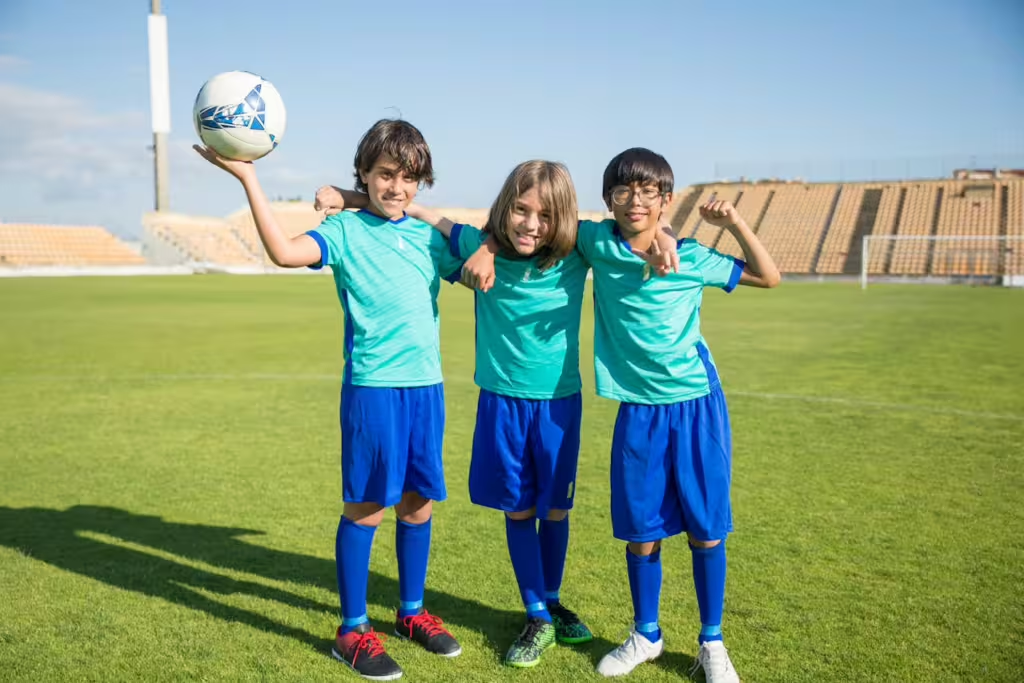
What Teamwork Really Means for Kids
When we talk about teamwork, we’re not just discussing the team-centric actions that are part and parcel to a game. This isn’t just about passing the ball or following a play, it’s about encouraging your teammates and making them feel better after they’ve made a misplay. It’s about sharing responsibility before, during, and after a game.
For young athletes, teamwork also means listening to one another and communicating effectively so that everyone knows their part to play. Finally, teamwork is about putting the group’s success and well being ahead of one’s own individual concerns, and especially beyond individual recognition.
That all said, these are not necessarily skills that come naturally to every kid. They don’t develop automatically, they’re learned through experience, often through overcoming certain challenges one meets on the sports field.
Teamwork Tales
In the section below, we will talk about a few hypothetical examples where teamwork helped to make young athletes better.
Story 1: The Pass That Meant More Than the Goal
Imagine a young player in a youth soccer game who finds herself with a clear path to the goal. She’d been struggled all season to score and finally, in this moment, the opportunity presents itself. She thinks for just a moment, about the player standing next to her; another of her friends who hasn’t scored all year. Instead of taking the shot, she passed the ball to the teammate and says, “run!”
That teammate scores the goal and the whole team celebrates together. To onlookers, this might seem like just another goal. Heck, to the other team or other teammates it might seem pretty cut and dry. But for these two players, this was something much more important; a moment of trust, awareness, and selflessness. She saw that success could be shared and that meant the world to her friend.
Story 2: The Bench That Became a Team
This story takes place within a youth basketball league. The team in question has struggled since early in the season. They lost games and are feeling discouraged, to say the least. One game, a player who usually sat on the bench was given the chance to play a bit more. The rest of the team rallies around this oft-benched player, offering encouragement, calling for the ball, and celebrating his efforts.
In the end, the player may not score many more points than his absent teammate might have, but his confidence grew, and so did the team’s energy. By the end of the season, the team wasn’t just playing better, they were playing together. Sometimes teamwork begins not with talent, but with being inclusive.
Story 3: The Comeback That Wasn’t About Winning
Our final example takes place during a youth volleyball match. The early game was rough for our team, who fell behind early. The missed serves, quiet communication, and lowered energy were starting to frustrate everyone, including the coach. But they had an idea. During a timeout, the coach changes tack, encouraging the players to focus on supporting one another instead of the score.
After that, something shifted in the players. Players started calling out encouragement, clapping for each other, and communicating more clearly with one another. In the end, they still didn’t win the match, but they closed the gap significantly and felt better about the type of team they had shown they could be in the second half.
Why These Moments Matter
Stories like these may seem small, some might say, inconsequential, in the long-run. Heck, most of them didn’t even lead to a win! But that’s kind of the point, they are meant to reflect how teamwork, when given proper focus, can lead to shared success and all-around good feeling. They indicate that supporting others can strengthen the bonds of teamwork and that efforts matter just as much as the overall outcome. These are not just lessons for the court, they’re lessons that extend far beyond the space of a game; well into the real world.
The Role of Challenges in Building Teamwork
As we’ve seen through those specific examples, teamwork often develops through adversity. When things don’t go as planned, kids are faced with certain choices. They can choose frustration of encouragement, to blame someone or support each other. We grow best in moments where things are difficult and in these moments, having the right guidance can help kids to make the proper choice; to support their teammates, communicate, and lead with positivity.
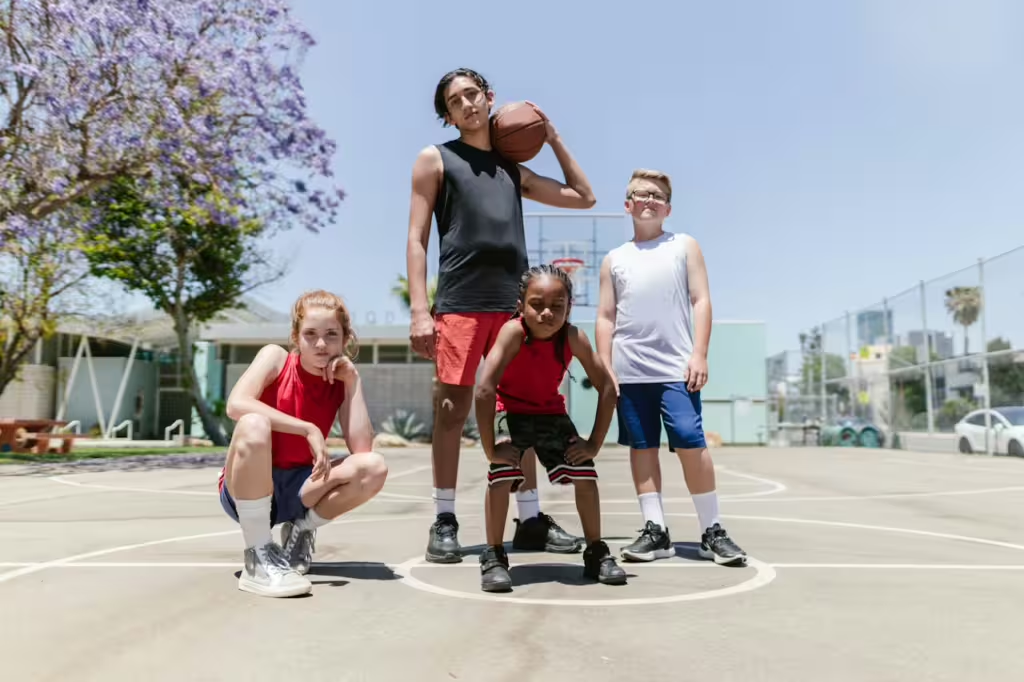
How Coaches Influence Teamwork
Speaking of guidance, coaches are one of the main influences when it comes to teaching proper teamwork and team culture. The most supportive coaches encourage communication, recognize teamwork for its positive influence on the game, and strive to create inclusive environments where every player feels valued. Simple actions, like rotating positions or celebrating assists, can reinforce the importance of working together.
The Parent’s Role on the Sidelines
Parents too can influence how their children view teamwork. The way that we talk about the game matters greatly. Thus, instead of focusing only on individual performance, it is best to inquire about how the team did as a whole. Shifting the focus from “me” to “we” is key when encouraging teamwork.
The Lasting Impact of Teamwork
We’ve said before how the lessons learned through teamwork often stay with children long after their playing days. Such lessons go with them in school, in future friendships and relationships, marriages, and of course, whatever careers they might happen to find themselves in. We often forget that communication and collaboration are skills people develop throughout their lives. Indeed, many of us have worked with or dated people who lacked the teamwork skills required to be good partners or coworkers.
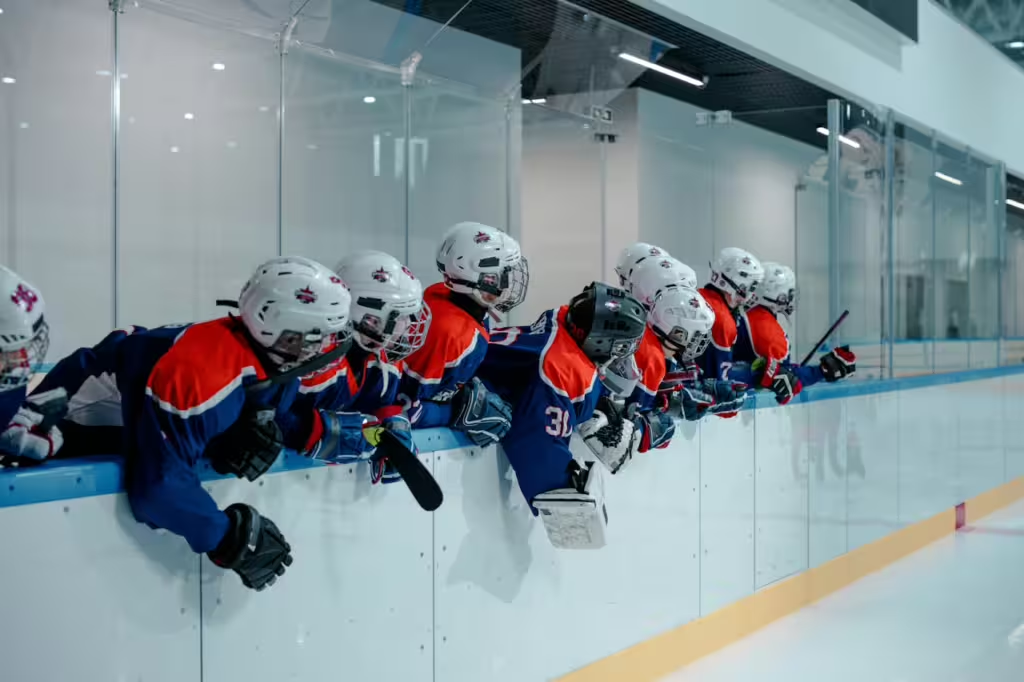
Cultured Athlete Says…
As you can see, the power of teamwork in youth sports is found in the little things that athletes do for one another. The small, meaningful moments, a pass, a word of encouragement, and the shared effort between comrades all work to make a difference.
Moreover, for many children, these experiences shape how they see themselves and others, for a good long time to come. Indeed, the connections they make and the friendships they forge will last far longer in most cases than the trophies they might earn for winning.
Discover more from CulturedAthlete
Subscribe to get the latest posts sent to your email.