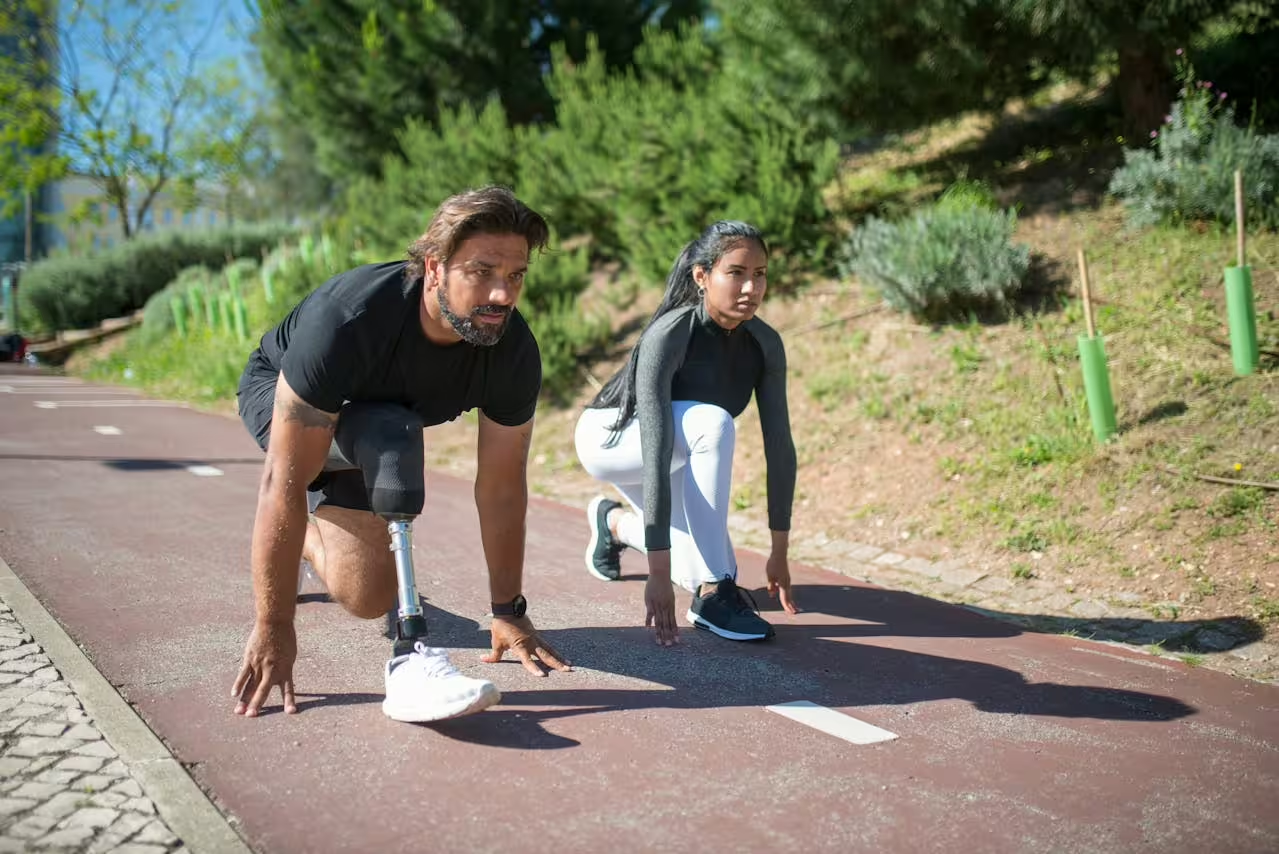

We introduce our kids to sports for a number of reasons; we want them to be healthy, exercise, well-rounded, and sociable. Sports are also a great way for kids to build confidence, make connections, and discover what they’re capable of. Parents of children with disabilities want the same things for their kids. Unfortunately, for parents whose children have mobility challenges, it is often difficult to find youth sports activities they can engage in positively.
The good news is that recent history has seen a multitude of adaptive sports rise in popularity, and more importantly, accessibility. Wheelchair Basketball is one such adaptive sport that offers something powerful: a fast-paced, competitive, and inclusive sport that opens doors.
In this article, you will learn about wheelchair basketball; its rules, origins, and what sets it apart from the traditional game. The most important lesson to take away is that this isn’t just a modified version of the game; it’s a dynamic sport in its own right. For kids with physical or mobility disabilities, it can be a transformative experience, both physically and emotionally. And we’re willing to bet their parents will feel the same!
What Is Wheelchair Basketball?
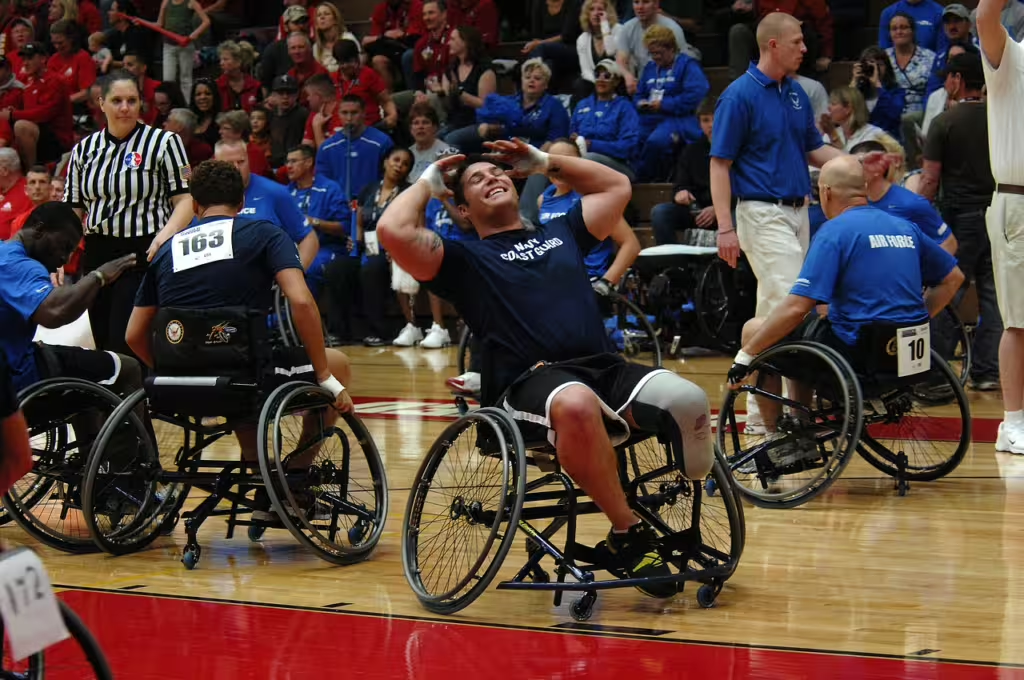
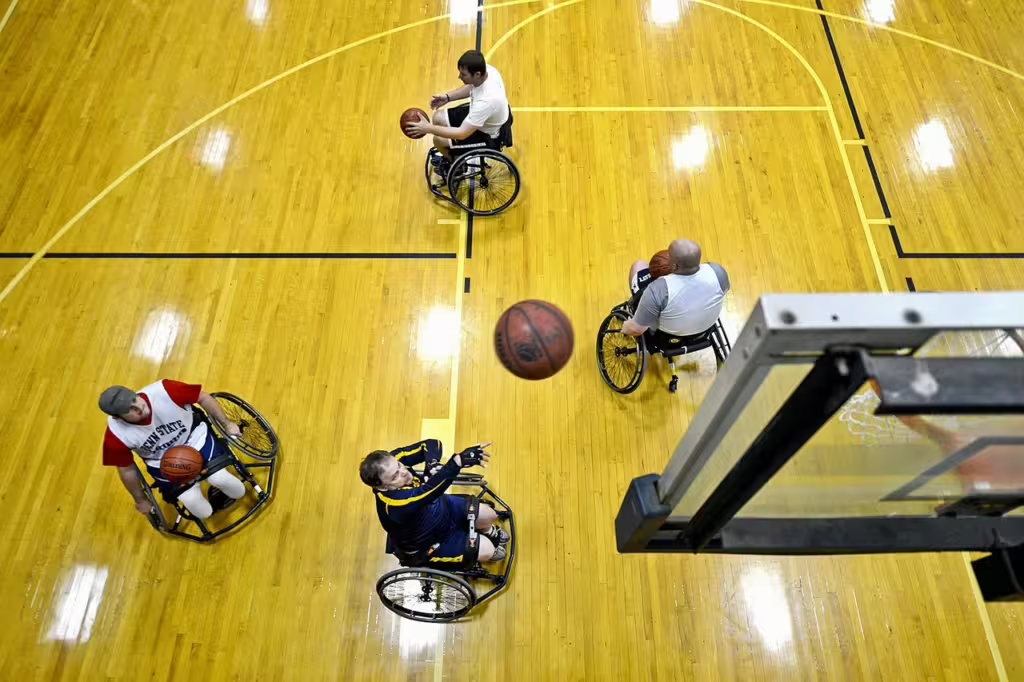
To some people, wheelchair basketball might seem like just “playing basketball in wheelchairs,” but it’s so much more than that. At it’s core, the rules are mostly the same, there are just a few adaptations built into the new rules to account for mobility. First, players move along the court only using specialized sports wheelchairs. The dribbling rules are slightly different, allowing for two pushes of the wheelchair between bounces, rather than having to keep the ball dribbling whilst wheeling oneself across the busy court.
The teamwork elements of traditional basketball remain the same. Teams work together to pass, shoot, and defend their hoop. Also. the game is played on a standard basketball court, with the same hoop height, making it both familiar to longtime basketball fans and challenging in its own right.
Who Can Play?
One of the most encouraging aspects of youth wheelchair basketball is how inclusive it is. Children with all manner of physical disabilities can play. As such, the sport is designed to support children with spinal cord injuries, limb differences or weaknesses, cerebral palsy, and other mobility-related conditions.
In many programs, kids of varying abilities play together using a classification system that ensures fair competition. Some leagues even include able-bodied players in certain formats, making the sport more accessible and inclusive; even to those who are not physically disabled.
Physical Benefits
Wheelchair basketball offers parents an excellent way to make sure their kids stay active. In terms of physical benefits, it helps to develop upper body strength and cardiovascular endurance. At the same time, it helps kids learn better balance, coordination, and spacial awareness.
The latter of these is especially important if wheelchair mobility is their main way of getting around in the world. Pushing a wheelchair, maneuvering quickly, and controlling the ball all require physical effort and some measure of skill. In time and with some effort, children can build up their strength and stamina in ways that feel natural and engaging.
Building Confidence Through Sport
Confidence is one of the biggest benefits of participation in any youth sport, and it’s a valuable emotional tool that kids with disabilities will certainly want in their toolkits. For many children, wheelchair basketball provides a sense of independence they may not have felt before. It also offers a multitude of opportunities for them to succeed in a team setting, allowing them to stand out amongst their peers; if only for the space of a three-pointer.
As with all adaptive sports, wheelchair basketball gives children living under difficult circumstances a chance to see their abilities, test their skills, and not lead with their limitations. Making a pass, scoring a basket, or simply keeping up with the flow of the game can be incredibly empowering, allowing them to build self-belief that can then be carried into other areas of life.

Getting Started: What Parents Should Know
Introducing your child to wheelchair basketball doesn’t have to be as complicated as some parents might be making it out to be. Below, we’ve listed a few helpful steps that parents can follow at the start of the process:
Find a Local Program
When looking for a new program, seek out adaptive sports organizations, community recreation programs, or even school-based initiatives; these programs might already have adaptive leagues within their purview, you just might not be aware of them. Many areas have programs specifically designed for youth.
Try a Clinic or Camp
Introductory clinics or camps are a great way for kids to experience a sport, meet with coaches and potential teammates, and build up their confidence in a more low-pressure setting. This is because these clinics are often designed with beginners in mind.
Use the Right Equipment
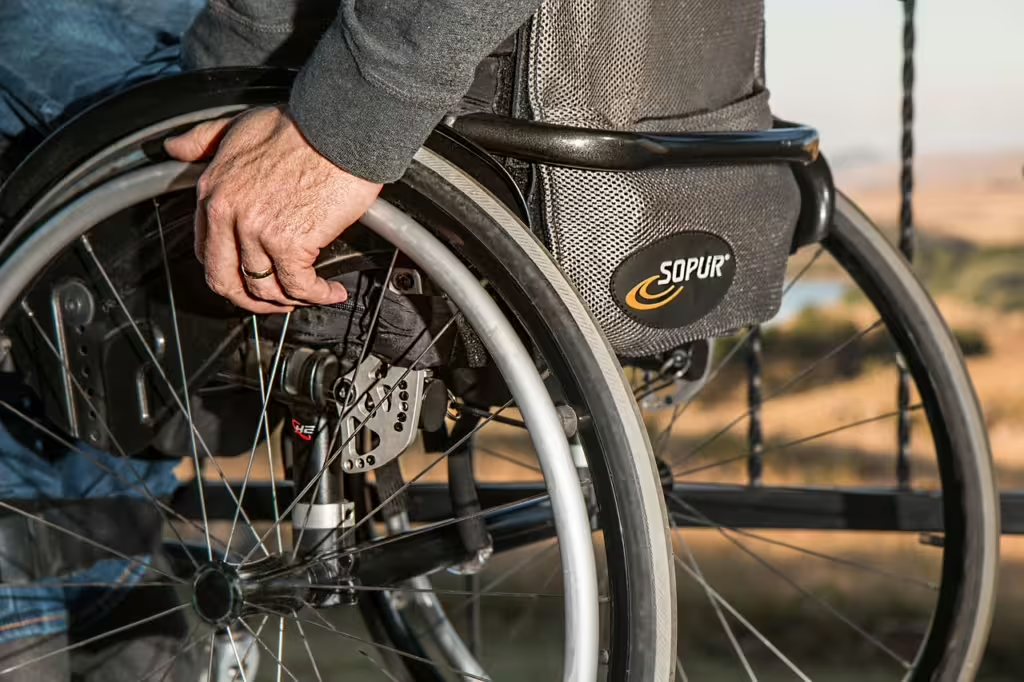
It’s important to note that sports wheelchairs are different from everyday chairs. They’re more lightweight, built for better stability during play, and designed for quick turns. They aren’t cheap, obviously, but many youth wheelchair basketball programs provide equipment, especially for new players.
Inspiring Role Models
Children in wheelchair basketball often have access to inspiring role models. Organizations like National Wheelchair Basketball Association showcase athletes at higher levels, demonstrating what’s possible. Seeing others succeed can motivate kids and help them imagine their own future in the sport.
Encouraging Long-Term Participation
Remember, when it comes to any youth sport, the goal isn’t just to try the sport once, it’s to build a positive relationship with activity. By encouraging our child to participate, celebrating their progress and their overall performance, and staying involved so that the whole endeavor is a family affair, we parents can fully support their journey.
Cultured Athlete Says…
As you can see, introducing your child to wheelchair basketball is about opening up a world of possibilities that may not have seemed possible to that child in the past. Through sports, kids learn movement, connection, and confidence. They get to discover that their limitations may not be as limiting as they once believed. Wheelchair basketball, like all youth sports, will teach them about teamwork and resilience, but more importantly, it will give them the chance to try; something that perhaps they hadn’t considered before.
Discover more from CulturedAthlete
Subscribe to get the latest posts sent to your email.