
Many times on this website, we have found occasion to talk about the power that positive coaching has on a young athlete’s whole sports experience. A good, well-trained coach can be the difference between a lifetime love of sports and giving up before the kid has even hd a chance to experience what athletics has to offer. Today, we focus on the latter scenario and what happens when a coach’s negativity affects a child’s whole view of sports in general.
The sad truth is that not all coaching experiences are positive. Indeed, many readers might even remember their own unpleasant interactions with childhood coaches who weren’t up to snuff. Fortunately, in this day and age, those types of coaches are few and far between. The vast majority of modern coaches seem to genuinely want to help young athletes succeed. Nevertheless, it’s important that parents learn to recognize the signs of a insufficient coach just in case.
In this article, we will speak about how negative coaching behaviors can have lasting effects on a child’s emotional, social, and athletic development. At the same time, we will examine how the words and actions of coaches always carry tremendous weight, particularly with younger athletes who are still developing their sense of self-worth.
By the time we are done, we hope that parents will have a better understanding of impact of negative coaching so that they can be ready in case such neer do wells happen to cross their path.

The Powerful Role Coaches Play
If your child is playing sports, chances are good that they are going to be spending quite a bit of time with their coaches. These individuals are your child’s guide to the world of sports. They are there for practices, games, and off-hours activities like team-building exercises. Thus, your child is apt to spend many hours each week with their coaches.
Spending all that time with them and speaking to them, learning from them, and seeking validation from them, can influence a child’s motivation, confidence, and attitude towards competition. Additionally, it can also affect a kid’s emotional well-being and their social development. Long story short, a coach’s behavior, whether for good or ill, can seriously affect how a child views themselves and their own capabilities in sports.
What Is Negative Coaching Behavior?
By now, most readers will probably know all the ways that good coaching positively affects a child’s youth sports experience. and that negativity undermines their resilience and self-assuredness, all at once. That said, negative coaching does not necessarily mean that a coach is trying to be intentionally harmful to the kids under their care.
Sometimes negative behaviors develop from poor communication skills, short tempers, unrealistic expectations, excessive focus on winning, and frustration over the team’s performance during competitions. For example, a negative coach might be yelling constantly or using excessive punishment of public humiliation as a way to motivate their players. Bad coaches also tend to play favorites, ignore the concerns of the athletes in their care, or use fear as a motivating tool over praise.
A coach that evinces these characteristics might be bad in that moment, but that doesn’t mean they are intrinsically bad people. We all know that life can come at you sideways sometimes and that mistakes may happen. The real concern is when consistent negative interactions are happening more and more frequently. These sitations can create harmful environments for young athletes.
Confidence Can Be Damaged Quickly
One of the first areas affected by negative coaching is self-confidence; something a child will ultimately need even outside of the sports field. Remember, at all stages of a child’s youth, they are always learning how to evaluate themselves and their abilities. Thus, if say, a coach says something like:
- “You’re not good enough.”
- “You’ll never get this right.”
- “You’re letting the team down.”
they are unknowingly forcing their players to internalize those negative messages. This breaks down confidence before can even be built and may even have young athletes believing they are actually failures. Over time, this negative self-actualization can reduce a child’s confidence both in sports and other areas of life.
Increased Anxiety and Stress
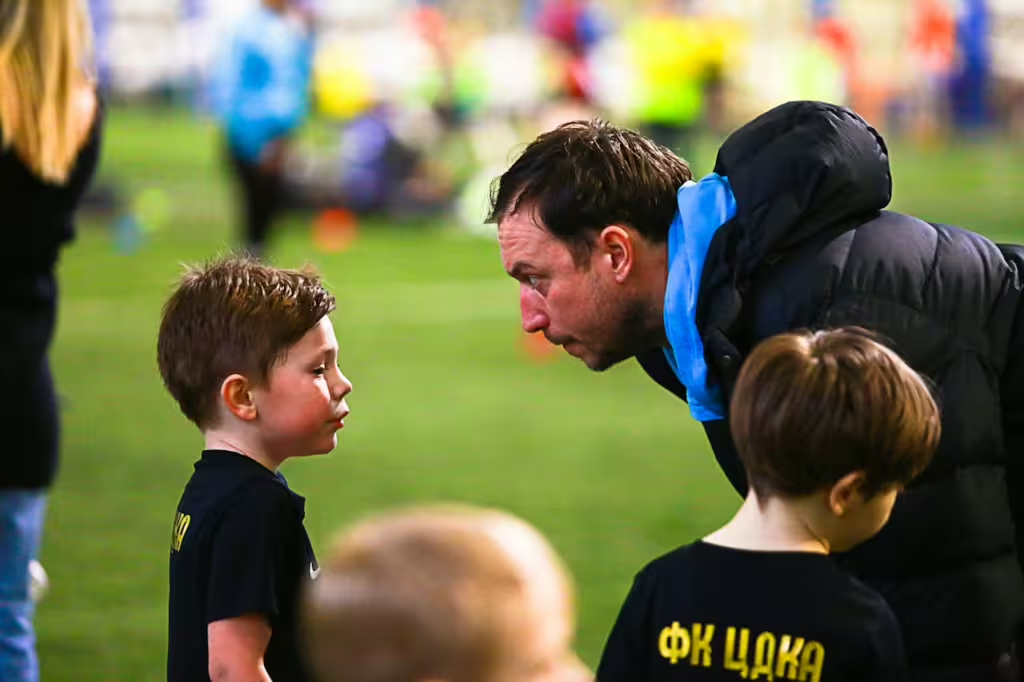
As it is, more than a couple young athletes already experience nervousness before competitions. Negative coaching does little to curb these emotions and in fact, children may then end up worrying that they’ll be yelled at, humiliated, or punished. Oftentimes, anxietal children will go on to make more mistakes or even embarrass themselves trying to avoid those negative ramifications. At the same time, this added stress can affect not just their athletic performance but their mood, sleep, appetite, and their academic performance.
Burnout Becomes More Likely
We’ve spoken before of the danger of burnout in youth sports and negative coaching can only make this increasingly common issue even more of an inevitability. Most times, kids burn out because of a combination of emotional or physical exhaustion, loss of motivation, anxiety, stress, and a reduced level of enjoyment. The result of all this? They quit and they learn that sports isn’t worth the aggravation. This is a bad deal for everyone, cause it deprives the kids of the chance to love sport they way they are supposed to…and frankly, it does not help the coaches to be seen in a positive light.
The Long-Term Effects Can Extend Beyond Sports
The impact of bad coaching can last far beyond the duration of a single season. Research has shown that negative experiences with authority figures during childhood can influence their confidence, self-esteem, and their own leadership abilities. Those effects can be immediate, develop over time, or be something that effects them down the line. Indeed, children who repeatedly experience harsh criticism may become hesitant to try anything new or speak up in group settings. Their whole notion of a team dynamic may be forever changed, so its important that parents pay close attention.
Signs Parents Should Watch For
Parents should pay attention to changes in their child’s behavior and be wary of any sudden loss of interest or confidence. Keep an ear out for any of the players on the team that are frequently complaining about practices, staff, or things being too hard. Also, be on the lookout for signs of burnout or any emotional outbursts following what was supposed to be a fun game, practice, or team get-together.

Cultured Athlete Says…
As you can see, because coaches have the power to leave lasting impressions on young athletes, it is imperative that parents and young athletes know how to recognize the signs of negativity before they can have a long-term impact. Through their words, actions, and leadership styles, coaches can shape how children view sports, competition, and themselves; which is why negativity cannot be tolerated.
Positive coaches build confidence, resilience, and a lifelong love of physical activity in kids, whereas negative coaching behaviors can undermine development and diminish the many benefits that sports are meant to provide.
This is why parents need to be prepared for overt negativity, cruelty, or insufficient coaching styles and be vigilant for these things. In that way, they can help their children to get out of that harmful environment and find a place where they can excel and enjoy sports once again.
Discover more from CulturedAthlete
Subscribe to get the latest posts sent to your email.