
As parents of young athletes, it is often difficult to pull away from our kids and allow them to do the sport on their own. We worry that, without our guidance, they may end up getting themselves into trouble or simply failing. The thing is, we often forget that they do have people to provide them with guidance when they play youth sports, people who, quite frankly, are way better equipped to coach them than we might be.
We are speaking, naturally, of coaches themselves. A good coach can help a child to build up their confidence, improve their skills, and illustrate the importance of teamwork. A bad coach, on the other hand, could be entirely detrimental and may serve to push a child away from sports…sometimes forever. This means that, for good or ill, your child’s coach may well be the most important adult in terms of their relationship with youth sports.
Of course, this leads many parents to wondering, what exactly makes a coach good or bad? And how are youth sports coaches trained so that they can do their job well? In this article, we will touch upon both these questions. The answers to both are varied, and have much to do with the sport, league, and competition level. Nevertheless, modern youth coaching involves much more than simply knowing how to play the game and we aim to explain how and why that is.
What Does a Youth Sports Coach Do?
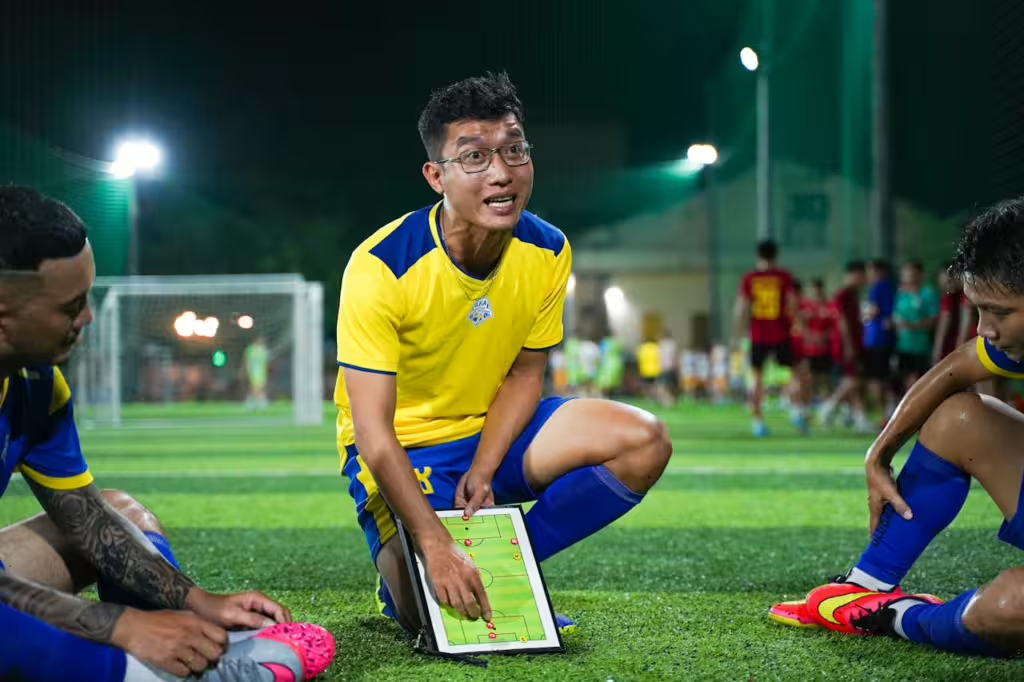
A youth sports coach is responsible for much more than organizing practices, teaching kids the rules, and calling plays. Coaches in the modern age use their well-honed leadership skills in a number of ways, helping children to practice teamwork and good communication, giving them guidance about how to display proper sportsmanship, and keeping them safe during activity.
These attributes are helpful in youth sports at all levels, but for younger athletes especially, coaches often influence how a child ultimately feel about sports in general. As we mentioned earlier, young ones who receive a positive coaching experience will learn to love sports for many years to come, whereas a negative one is quite likely to see that child opt out of athletics for good.
Many Coaches Start as Volunteers
To be fair, it isn’t always seasoned professionals that become youth sports coaches. Indeed, many of the best coaches start as volunteers, especially in recreational youth leagues. Some of those volunteers are parents of kids on the team or community members. Whatever the case, they are often people who care about helping children participate in sports and who are willing to give up their time to help them do just that.
That said, even volunteer coaches usually go through basic training before leading teams. This is partly because not all coaches have professional athletic backgrounds, so leagues like to provide educational resources to help them get up to speed. This training usually includes safety education, league rules, practice planning, and communication guidelines. The latter of these involves how the coach should speak to the players, other coaches, and how they communicate to parents.
Sport-Specific Coaching Certifications
In addition to educational resources, many sports organizations or leagues will offer coaching certification programs to their volunteers as well. These programs teach coaches a greater range of sports-specific techniques, along with advanced skill development methods, appropriate drills, and more advanced rules.
Some even give coaches access to additional gameplay strategies they may wind up using on the field. These certifications often scale up as coaches work with older or more competitive athletes, and so the certification requirements may become more advanced with each passing degree of difficulty.
Safety Training Is a Major Focus
One of the most important parts of youth coaching education has to do with proper sports safety. Modern coaches are trained in injury prevention techniques, but accidents still happen. Thus, coaches are also taught to notice the signs of concussions, heat stroke, dehydration, sprains, strains, breaks, and illness. At the same time, many leagues require their coaches to complete CPR, First-Aid training, and other such emergency response procedures.
Understanding Child Development
It probably doesn’t need to be spelled out, but the fact is, coaching children is very different from coaching adults. This is why youth coaches in the modern age are trained to understand the emotional struggles and development of young athletes. They have to learn about the stages of physical growth, waning attention spans, physical disabilities, and other such concerns that the coaches of yesteryear probably never even considered. And that isn’t their fault; they weren’t taught that they had to consider those things.
Big emotions are common, especially during the years of puberty, so coaches need to learn how to navigate those things if they teach middle school or high school kids. They also need to be aware of sensitivities, especially when teaching younger, more fragile children. These considerations are novel but important to creating well-rounded, well-trained, and happy athletes, so they matter.
Positive Coaching Techniques
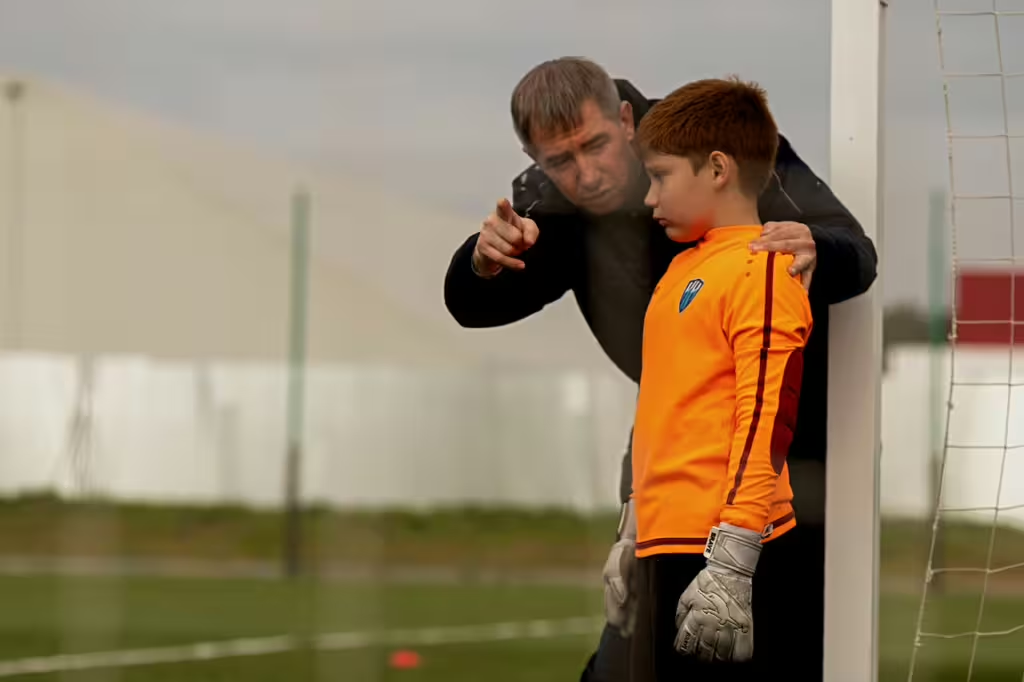
Modern coaching education places heavy emphasis on positive leadership and positive reinforcement. Even those coaches who teach at higher competitive levels, are taught to encourage effort over measuring a player’s wins. They are taught to give constructive feedback and to raise young athletes up in a way that builds their self-confidence, not shatters it.
Time and again, research has shown us that children respond better to coaches who are encouraging, patient, and respectful. Thus, wee have learned that abuse in coaching does little to ingratiate the sports world to a young person…so why not make it something that they can enjoy right from the start? .
The Importance of Sportsmanship
Youth coaching programs in this day and age often stress the importance of sportsmanship and character development. As a result, coaches are encouraged to teach their athletes respect for teammates, officials, and opponents. Kids are taught about controlling their emotions, playing fair, and having a positive attitude, even if the game is a loss. Remember, children always model the behavior they see from adults, so having a coach who evinces sportsmanship in all their dealings will help them do the same.
Background Checks and Child Protection
For the parents that are worried about bad apples getting into their kids’ sports organizations, don’t be. Many leagues require their coaches, be they volunteer or professional, stranger or neighbor, to complete background screenings, child safety training. and/or abuse prevention education. These steps are all in place to create safer environments for children and families.
That said, parents should feel comfortable asking their child’s sports league about which safety and screening policies they have in place. This is incredibly important do-diligence when choosing programs. At the same time, when speaking to coaches for the first time, look for patience, positivity, and respect in their candor.
Cultured Athlete Says…
As you can see, youth sports coaches are valuable for the lessons they impart and the emotions they can cultivate in young athletes. These days, individuals in coaching are trained in far more than just the rules of the game. We have seen that modern coaching education includes safety, child development, communication, leadership, emotional support, and positive teaching strategies and that all of these facets are designed to help children grow both as athletes and as people.
Moreover, as youth sports continues to evolve, we are beginning to rethink the role of the coach. This isn’t just a person who helps our kids win games, its a person who is focused on supporting the whole child and the whole sports experience. Surely, as parents, we can appreciate this expanded role more than ever before.
In the end, we parents wanted to get our children involved in sports so that they can be enriched by the experience. With the right coach in place, that is not just a dream, but an achievable goal for young athletes everywhere.
Discover more from CulturedAthlete
Subscribe to get the latest posts sent to your email.