
We’ve all seen it; a kid gets fouled, strikes out, or misses a goal and the ref calls it. Before you know it, some jerk or “Karen” rounds on the referee, admonishing them or cursing them for a “bad call.” It’s not a pretty sight and it’s not a good example to set for our kids, but some adults just don’t have good impulse control. Still, that’s not the point of today’s discussion. We aren’t here to discuss bad behavior as it pertains to referees, but why referees are so important to the world of youth sports.
We parents often forget, even as our kids step onto the field, court, or rink, that there are unsung heroes out there with them. We all know how to appreciate a good coach or mentor, but few of us realize the important contributions of the humble referee. These people play critical roles in every game and their calls, guidance, and patience often shape how young athletes compete, communicate, and grow throughout youth sports.
In this article, we will examine the role of referees and how crucial they are to a positive youth sports experience. At the same time, we will endeavor to discover how referees and sportsmanship work hand-in-hand.
Why Referees Matter
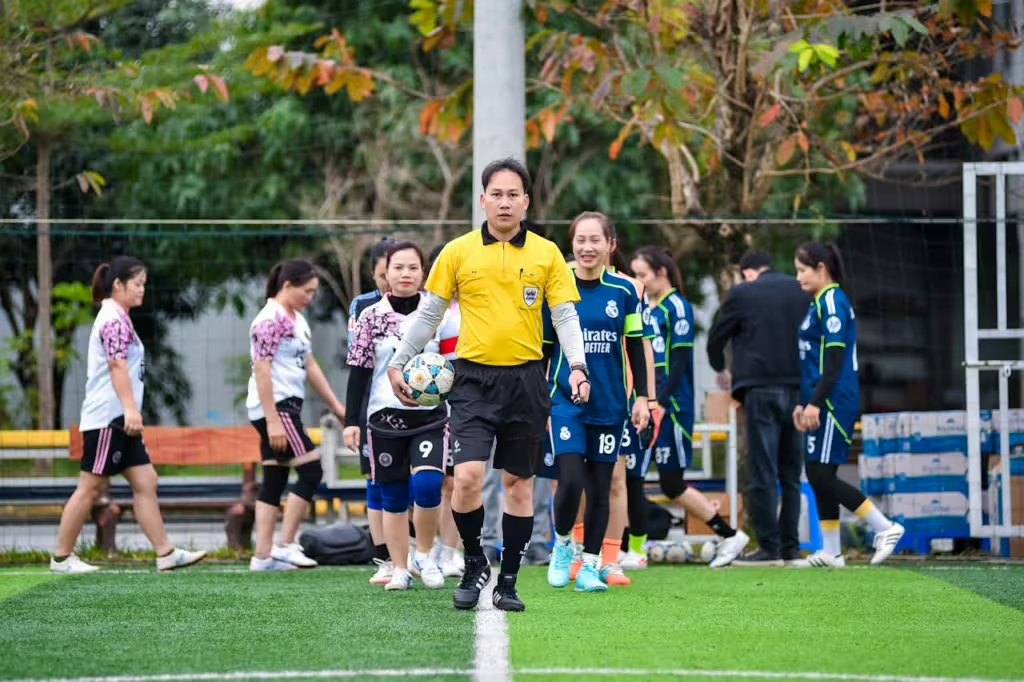
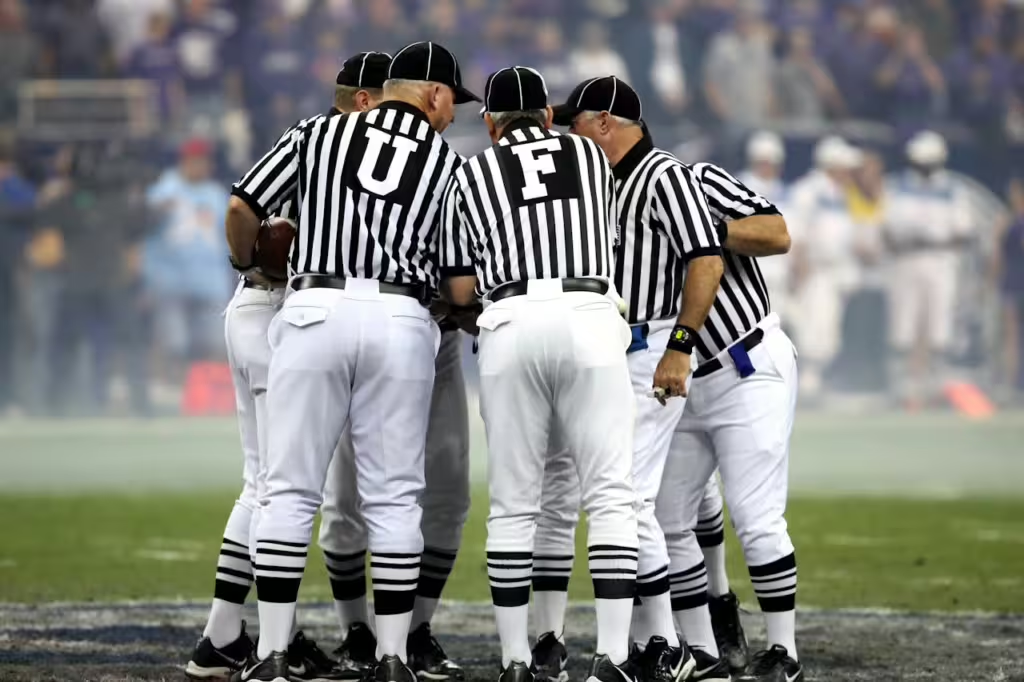
We all know what a referee is; they’re essentially a judge, who stands between the two sides of a given game and makes sure that all the rules are followed. They are usually clad in black and white, but can wear uniforms of any color, depending on the sport, league, or organization they represent. Referees are responsible for enforcing the rules but also making sure that the game and all its players are safe. They also ensure fair play between teams.
The sad truth is, without referees, sports games would lack structure and consistency. It would be like playing Calvinball all the time! In fact, the mere presence of a working ref allows players to focus on the game rather than disputes, rules questions, or interplayer conflict.
For younger athletes, referees also serve as authority figures. These are men and women who are respected by coaches and players, but model calm decision-making, often under extreme pressure….sometimes from angry or impatient parental spectators.
More Than Just Rule Enforcers
Despite their reputations or rather, the stereotypes we place upon them, referees do more than call fouls or penalties. In youth sports, they often serve an expanded purpose. They help to explain rules to young or inexperienced players, sometimes offering brief refreshers before games. They also guide the flow of the game, keeping things moving and helping to maintain a harmonious, respectful environment. It is only when parental busybodies get involved that things can…devolve.
The truth is, many referees understand that youth sports are about learning, not just competition. This is why so many take the time to clarify decisions, especially with younger players. This educational role is an important part of their contribution.
Teaching Respect for Authority
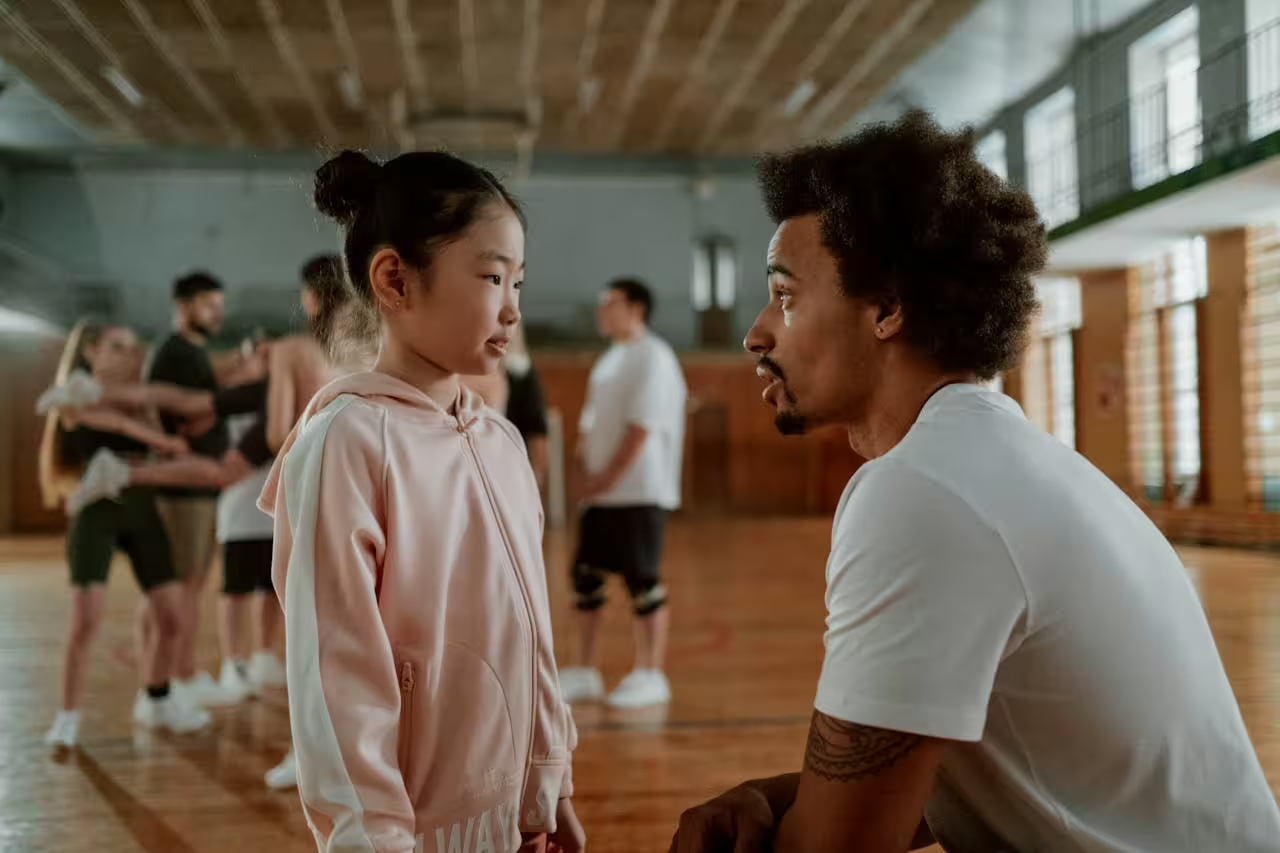
One of the key lessons referees help reinforce is respect for authority. In their interactions with these stewards of ruleship, young players learn to accept decisions, even when they disagree; and even if their parents take umbrage with them.
They also learn to maintain their composure and communicate clearly and appropriately. These social skills extend well beyond the boundaries of the sports field, bleeding aspects of school and everyday life. Most importantly for parents, you too can support these lessons by modeling respectful behavior toward officials, parents, coaches, and yes, even refs you might disagree with.
Understanding Sportsmanship
Educated parents will understand that sportsmanship is the foundation of positive competition. Players need to be respectful to their teammates and their opponents. They need to show integrity, positivity, and fair play. Referees, as stewards of the game, often aid in these lessons about sportsmanship. Through their lessons, this helps kids understand that the type of game they play, how they play it and behave during it, matters just as much as the outcome.
How Referees Support Sportsmanship
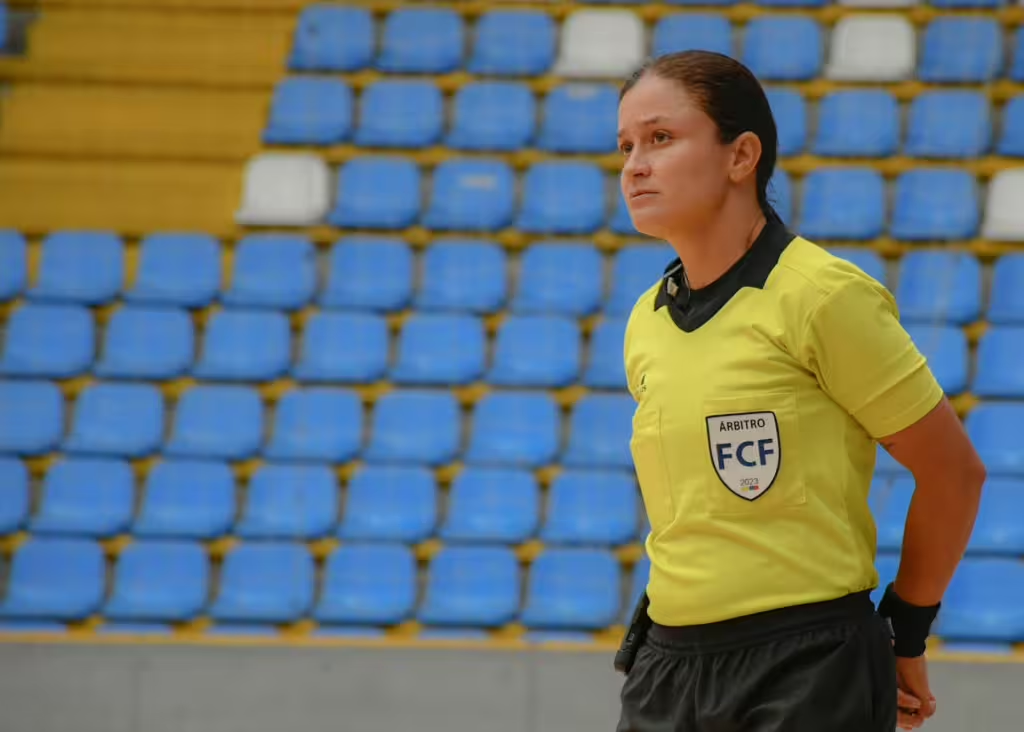
Referees play a direct role in promoting sportsmanship because they are often called in to address unsportsmanlike behavior should it occur. Their role is also to enforce the rules constantly and encourage respectful communication. Thus, when referees respond calmly and fairly, they set a tone that players often follow.
Coaches are also important in this regard, of course, as they model respect for refs, other players, and opposing coaches. It is their job to address negative actions quickly and educate their players about the proper way to respond. This is why coaches often work hand-in-hand with referees when bad behavior rears it’s ugly head.
The Parent’s Influence
Parents can work in tandem with coaches and referees to influence good behavior in their children. As we said at the start, your behavior on the sidelines matters. Parents must show a good example, the same as coaches, so that kids mirror that behavior. Positive actions include simple things like applauding effort from all players and avoiding negative comments about officials, athletes, and coaches.
When Problems Occur
If issues arise with referees or sportsmanship, it’s important to address them quickly and constructively. Parents can pull coaches aside to speak with them quietly and calmly. Ultimately, we don’t want to focus on blaming anyone, but on relevant solutions that repair the situation. Try and remember, when tempers are high, maintaining perspective helps keep situations manageable.
Cultured Athlete Says…
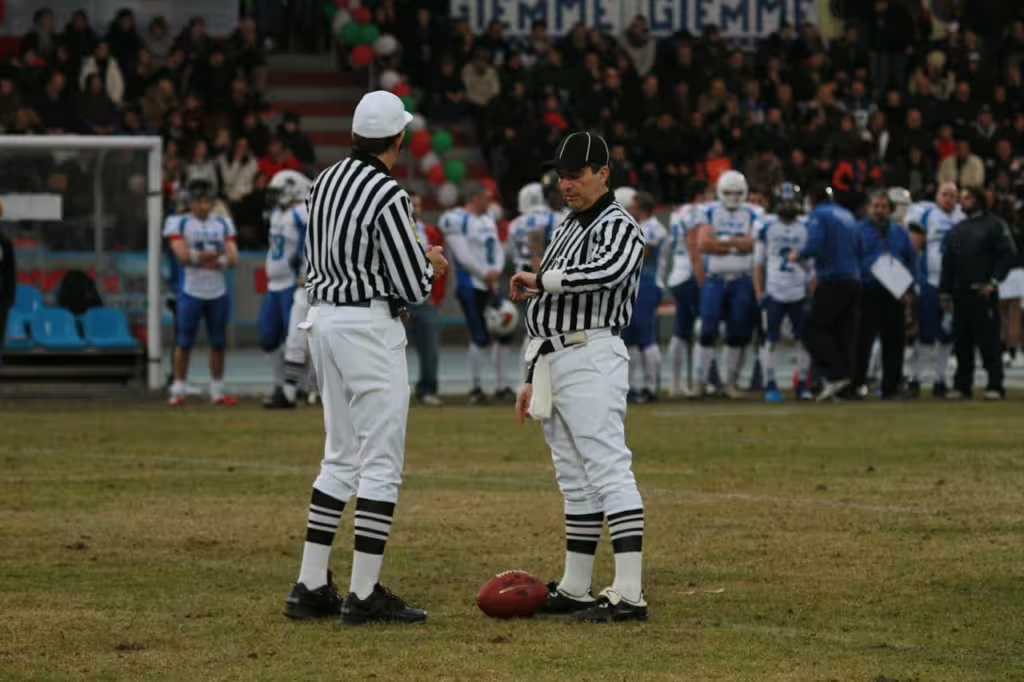
As you can see, though the connection isn’t exactly overt, referees are as essential to youth sports as good sportsmanship. In youth sports, the most positive, enriching environment is one where children can learn, compete, and grow; and referees can often be the difference between a negative sports experience and a positive one. This is not because of how they call a play but how they teach children to respect authority, the rules, and other people.
For parents, supporting these positive elements means supporting the people who help out with every game. We need to stop focusing on just the wins and losses, the hits and misses. What we need to is encourage good sportsmanship, model positive behavior, and maintain respectful discourse with the coaches, officials, and referees themselves.
Because in the end, we all know that youth sports are about more than the fate of a single game. They’re about building character, learning life skills, and creating experiences that shape who children become, both on and off the field.
Discover more from CulturedAthlete
Subscribe to get the latest posts sent to your email.