
Oftentimes, we look at youth sports and see only competition. By now, longtime readers will understand that this is a completely wrong-headed way of seeing things, but to deny that it happens is to deny the opportunity for change. Here at Cultured Athlete, we try to help parents focus on the benefits of teamwork, mental fortitude, and physical development that sports provide, but even we forget that youth sports can mean so much more than even those things; especially when people utilize them as a means to make a difference.
Indeed, beyond the field, court, or pool, young athletes have the opportunity to make an impact on their peers and their community in a different, and equally meaningful way; by giving back to that community. How can sports act as a catalyst for this positivity, you may ask? Well, that’s what we’re here to talk about with you today.
In this article, we will discuss everything from volunteering at local events to mentoring younger players, along with anything young athletes can do to support others outside by way of their involvement in sports. At the same time, we will teach parents about how this kind of involvement helps children develop character, empathy, and a broader sense of purpose and belonging in their own community.
Why Community Involvement Matters
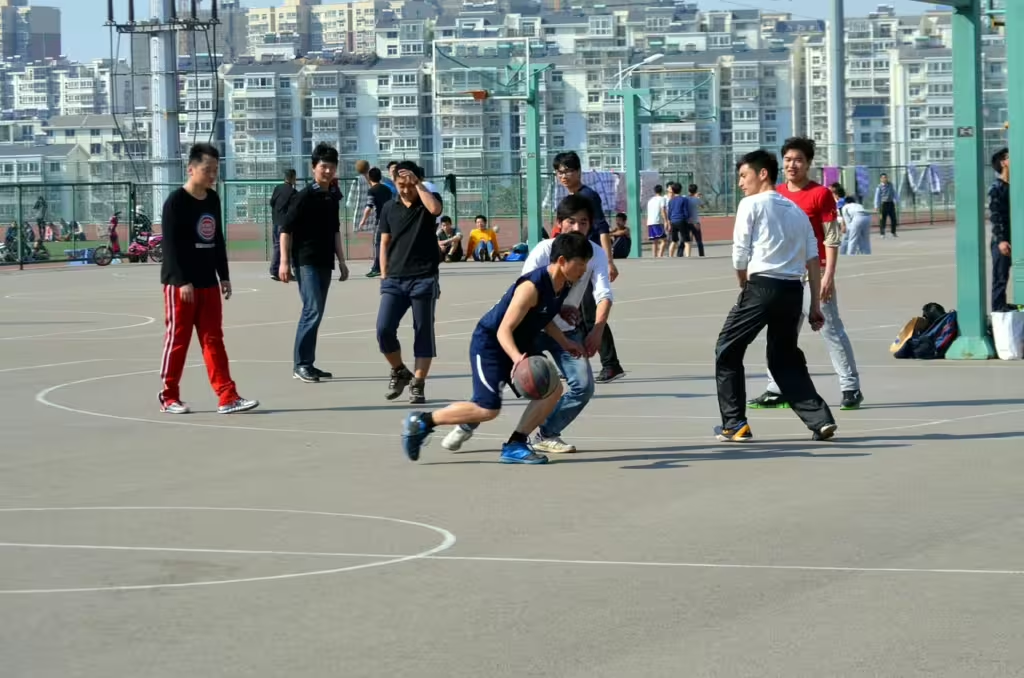
Community involvement isn’t always the first thing we think about when we think of youth sports. Still, those of us who have played sports with people in our town, local league, or school know that there is an inherent sense of community that comes along with these experiences.
In many ways, playing sports with people in one’s neighborhood can help young athletes see that sports are about more than personal success; they’re about coming together. yet, we aren’t just talking about playing the game with your friends, neighbors, and family around, we are referring specifically to service activities that are often faciliated through the lens of those community sports events.
Indeed, by participating in these types of service activities, kids learn the value of helping others, not to mention the importance of teamwork that goes beyond mere competition. Ultimately, it teaches them that their actions can make a difference, reinforcing the positive values that most sports already possess.
Connecting Sports and Service
The skills children develop in sports naturally are the one’s we’ve spoken of at length time and time again. And yet, those same skills, teamwork, leadership, and discipline, can also translate quite well to community involvement. For example, sports teach them about teamwork, which helps them collaborate in volunteer settings. Meanwhile, leadership allows them to guide and support others throughout the process, while discipline encourages follow-through on the commitments they have made.
Ultimately, when kids apply these skills outside of sports, they begin to see their learned abilities in a new light; they begin to see what they are capable of beyond the value they offer to the team.
Common Ways Youth Athletes Give Back
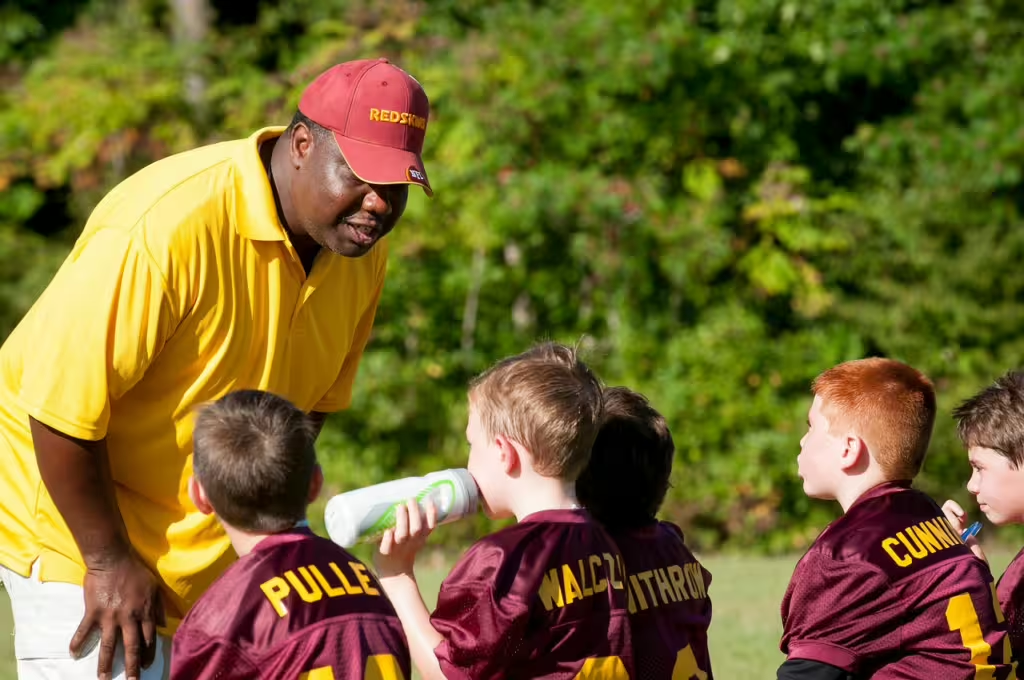
As it turns out, there are many ways young athletes can contribute to their communities. Older athletes can mentor younger players, helping coaches and demonstrating skills. They can also offer support, encouragement, and understanding; the same way they received it when they first started out. This not only supports younger children but also allows the mentor to build up their own confidence in the areas of leadership and knowledge transfer.
Youth athletes often become involved in charity walks or runs, as well as local fundraisers. They can also participate in community sports clinics, helping to mentor or run small side events. In any event, these programs and community activities allow kids to engage with others in a positive way.
Teams can work together on projects such as food drives, clothing or equipment donations, or park cleanups. Perhaps the team and the community are trying to help remove pollution from a local beach or wetland. Not only do these activities help others and the environment, for athletes, they reinforce that group efforts extend beyond the game.
Finally, athletes can use their platform, even at a young age, to support causes that matter to them. They might raise awareness or participate in service days with the elderly, infirm, or disabled.
Building Empathy and Perspective
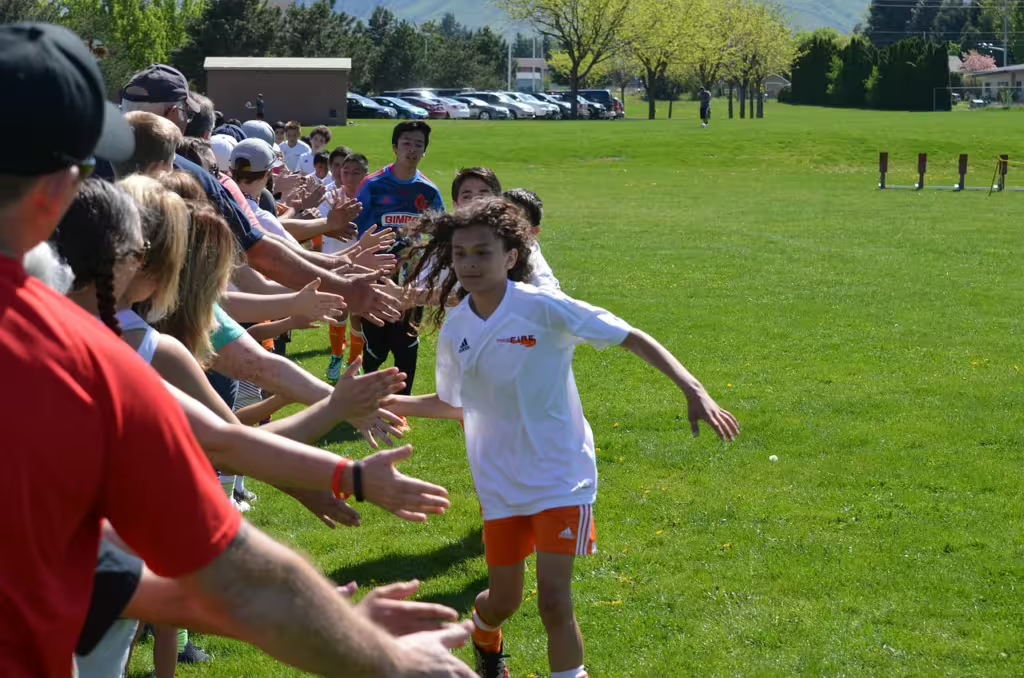
One of the most important benefits of giving back is the development of empathy; something we wish all kids had from the get-go but that is harder to come by in the internet age of anonymity. The point is, when kids engage with others in their community, they begin to understand the different life experiences of others, even those in their own community. They learn about the challenges others may face and the importance of kindness and support. Such experiences help children grow emotionally and socially.
The Role of Parents
Parents play a key role in encouraging community involvement because, most of the time, they help organize the damn things. Parents are often the ones who introduce their kids to volunteer opportunities and might even want to participate in those events as a family. If they are involved with the team, they may bring these ideas to the table and help facilitate the involvement of all the kids, parents, and coaches. Remember, our attitude toward service often shapes how our children see it.
The Role of Coaches and Programs
Coaches and sports organizations are just as important as the parents and the players themselves. They too can create opportunities for giving back that might include organizing team service projects, partnering with local charities, and encouraging leadership or mentorship roles for players. For many community-based local teams, service becomes a part of the team culture and that, in turn, becomes a natural extension of participating in the sport itself.
Cultured Athlete Says…
As you can see, Youth athletics does not have to be all about the sports themselves. Through sports leagues and involvement in the community at large, athletes have the ability to make a meaningful impact in the world around them. Through activities and programs, kids gain the chance to give back to their communities, learning life lessons that go far beyond simple competition.
As parents, we can encourage this involvement, helping our children to grow into well-rounded individuals who understand the value of teamwork, empathy, and responsibility within their own communities. Because in the end, the true measure of success in youth sports isn’t just performance, it’s about building character.
Discover more from CulturedAthlete
Subscribe to get the latest posts sent to your email.