


Last week, we talked about how communication is important for kids learning to play sports in middle school. While writing that article, this writer realized that middle school-aged athletes might be worthy of greater investigation; especially considering what a challenging time it can be in a young person’s life.
During these, frankly nightmarish years, kids are treated to a host of physical, mental, and emotional changes. Not only do they experience the rapid physical growth and emotional ups and downs of puberty, they also have to contest with ever-changing, ever-complicating social dynamics.
And the thing is, all of these changes, including their reactions to the shifting social climate within their sphere, are strongly influenced by teenage hormones. Those hormonal changes aren’t just affecting their social lives and relationships, they can have a major impact on a young person’s athletic performance.
In this article, our aim is to give parents a better understanding of how middle school hormones are likely to affect their young athletes. As parents ourselves, we know that this is going to be a stressful time for many families, but our hope is that we can provide parents with the tools to help their kids manage their emotions, enhance their confidence, work out those excess energy levels, and maintain a positive self-image while still navigating the rough and tumble world of middle school sports.
What Happens During Middle School?
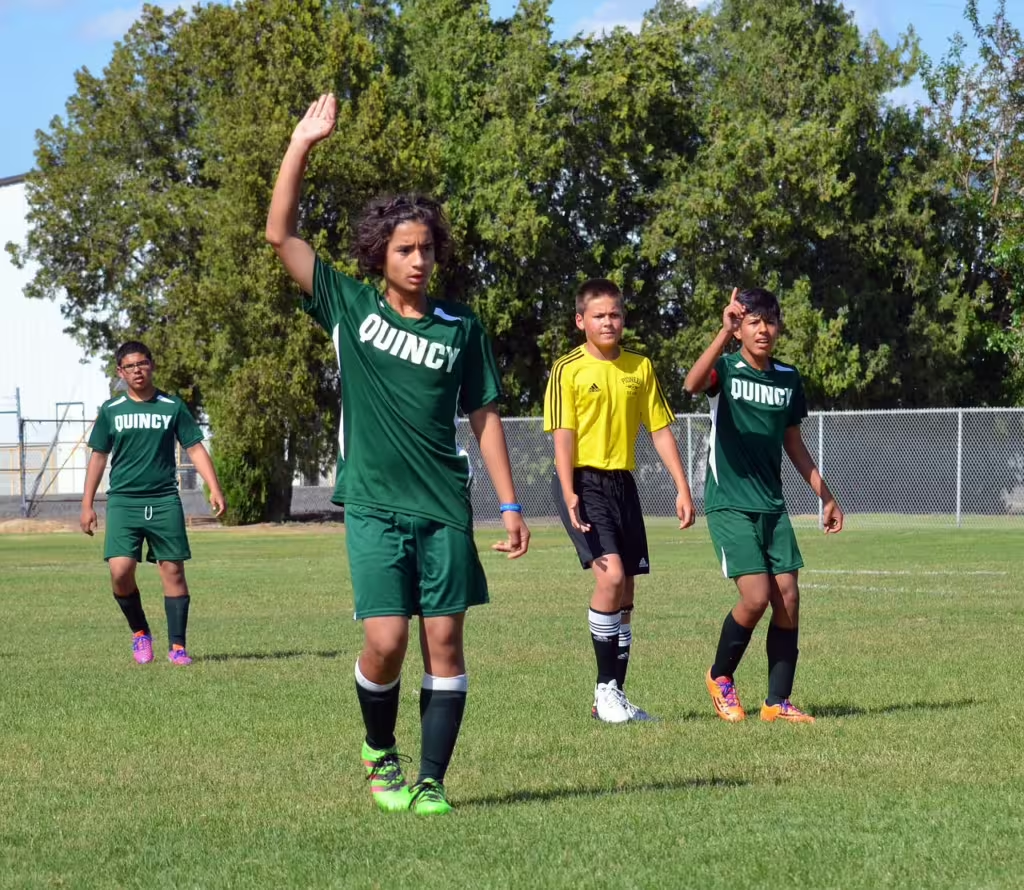
Ah, puberty, the chaotic period of teenagerhood in which major hormonal changes in the body affect everything from their height and weight, to how moody they are. The hormonal shifts in a young person’s body chemistry usually begin between the ages of 8 and 14. At this time, things like estrogen, testosterone, and growth hormone, surge in production and begin making their way around the body.
The effects of these hormones are rarely subtle. They can affect a teenager’s height, weight, and muscle growth. The can cause energy levels to spike or plummet. They can do a number on a kid’s coordination, balance, and reflexes. And, we’re sorry to say, they can seriously impact a young person’s mood and emotional state…and rarely in a positive way.
Now, not all parents need be concerned the moment their girl turns 8 or their boy turns 9. After all, every child develops differently, at their own pace. In sports terms, however, these sudden hormonal changes can result in some measure of physical and emotional unpredictability, which is not really ideal for sports training.
Growth Spurts Can Affect Athletic Performance
One of the biggest physical changes during middle school has to do with their rapid rate of growth. All of a sudden, parents might find that their kids have gained weight, grown several inches, or developed rather more muscle mass than they thought possible for a child. And sure, these changes might seem ideal for kids playing sports, but the rapidity of them can temporarily affect a person’s athletic coordination.
A child who once seemed naturally smooth and balanced may suddenly appear clumsier, slower, more awkward, and less coordinated than they were a season before. The good news is that this is perfectly normal and temporary. The child just needs time to adjust to their new and bigger body.
Hormones and Emotional Ups and Downs
Now we come to it; how hormonal changes can affect a teenager’s emotions. Most teens, athlete or otherwise, will probably experience increased frustration, sensitivity, and stress. This will undoubtedly result in mood swings, outbursts, and bouts of teenage malaise.
Unfortunately, playing sports can intensify this bevy of emotions, likely because competition naturally involves some degree or pressure and social dynamics. No one like to lose or make mistakes, least of all a hormonal teenager. This could make them react more strongly towards those inevitabilities or from criticism by coaches, parents, or peers. Parents can help mitigate this by simply lowering the expectations and adding no undue pressure into the mix.
Differences Between Boys and Girls in Development
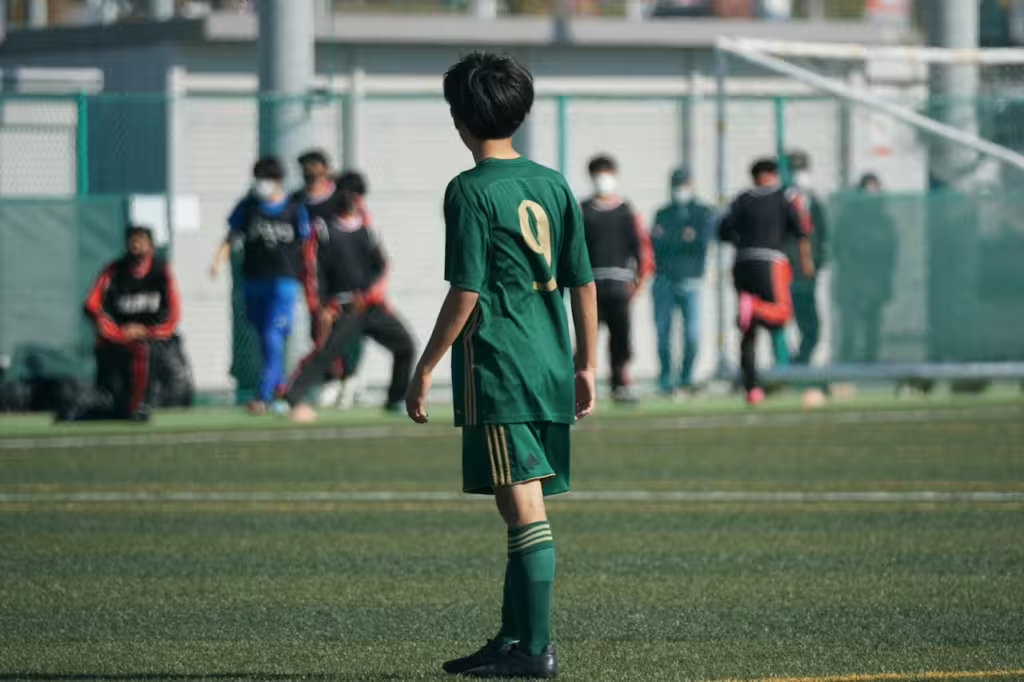
This will come as no surprise to most parents, but hormonal changes affect boys and girls differently. For boys, the increased testosterone will often contributes to muscle growth, increased height, and greater strength and speed over time. At the same time, there is a degree of emotional volatility and insecurity that come along with those newfound superpowers.
Girls, meanwhile, may experience similar changes in their body composition…we need not say which, along with growth spurts, and the beginning of their menstrual cycles. These changes can affect energy levels, confidence, emotional state, and comfort during those difficult years.
For some girls, puberty creates new concerns about body image or participation in athletics, so they may want to give up sports entirely until they can get things straight. In these times, supportive coaching and positive family encouragement become especially important for middle school athletes.
Sports Can Help Kids Manage Stress
Although hormones can create challenges in terms of athletics, sports can also help some children manage that puberty-related stress. We know that physical activity is great for emotional wellness and can reduce a person’s stress. At the same time, getting exercise supports emotional regulation, mental health, confidence, and can help them release those wellsprings of nervous energy that come attached to flowing hormones.
Sleeping and Eating More
Middle schoolers undergoing puberty often need more sleep than most parents realize. Hormonal changes place greater demands on the body’s internal workings, so it’s important they get the right amount of sleep and recovery time between practices, school, and games.
Teenagers also have ravenous appetites and will eat anything not nailed down, so parents need to be mindful of their kids getting the proper nutrition. Parents also need to ensure that they are eating the right foods as weight gain is also common during this time. This is especially important if a kid plays sports, cause they are going to need that energy, rest, and hydration to play at their best.

Cultured Athlete Says…
As you can see, teenage hormones don’t just affect a child’s emotions and physicality, they can actually affect nearly every part of a young athlete’s middle school experience. Depending on the child, hormonal changes will improve or weaken physical performance in equal measure, and that’s not even taking the emotional, mental, and social considerations they will have to contend with at that age.
We know that these years can feel unpredictable and they can be challenging, but they are also an important stage of growth and development. That is why we advise parents to be patient and supportive throughout this time; as much as they possibly can. If sports are your child’s lifeline to socialization, exercise, and mental stimulation, then they are going to worry a good deal about their performance in that arena.
All you need to do is reassure them that all those changes in performance, coordination, and emotions are normal parts of growing up. The key is that they try their best to enjoy the experience and just get through this tumultuous time. Believe us, this too shall pass.
Discover more from CulturedAthlete
Subscribe to get the latest posts sent to your email.