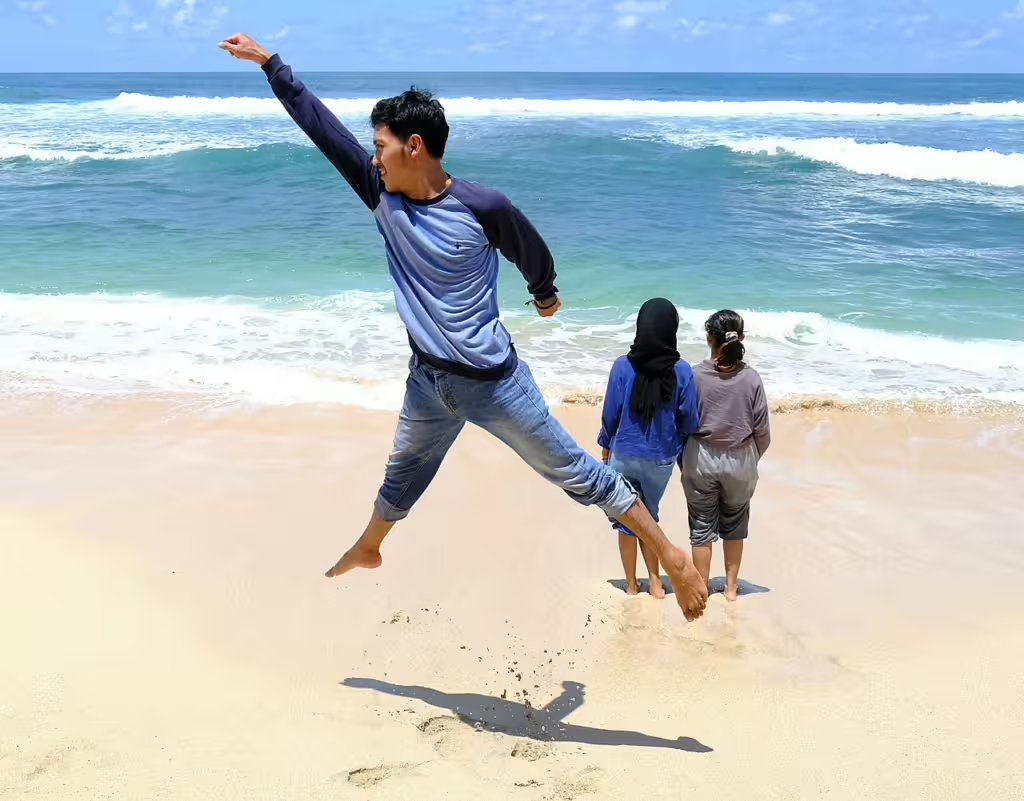

Summer is on its way and with it, comes summer sports. But playing soccer in a field is a bit different than leaping across the sand to return a volley or riding a wave to shore on a waxen board. The point being, there’s something about beach sports that hits differently. Whether it is the sand underfoot, the open space, or the rhythm of the ocean, this environment naturally invites movement and excitement, just as surely as it invites serenity.
On the open beach, kids can feel free to run, jump, and explore. Meanwhile, parents gain the added benefit of turning a fun family day into an opportunity for exercise and connection to nature. Also, if the kids are busy enough, it might also be a chance to relax for just five minutes!
In this article, we will discuss two of the most popular beach sports; Beach Volleyball and Surfing. These sports provide very different experiences, but both can be incredibly rewarding for kids and parents alike. Together, we will weigh their respective benefits and examine which one best fits your child’s play preference. So, grab up your beach bag and come on down. And don’t forget your sunscreen!
Why Beach Sports Hit Different
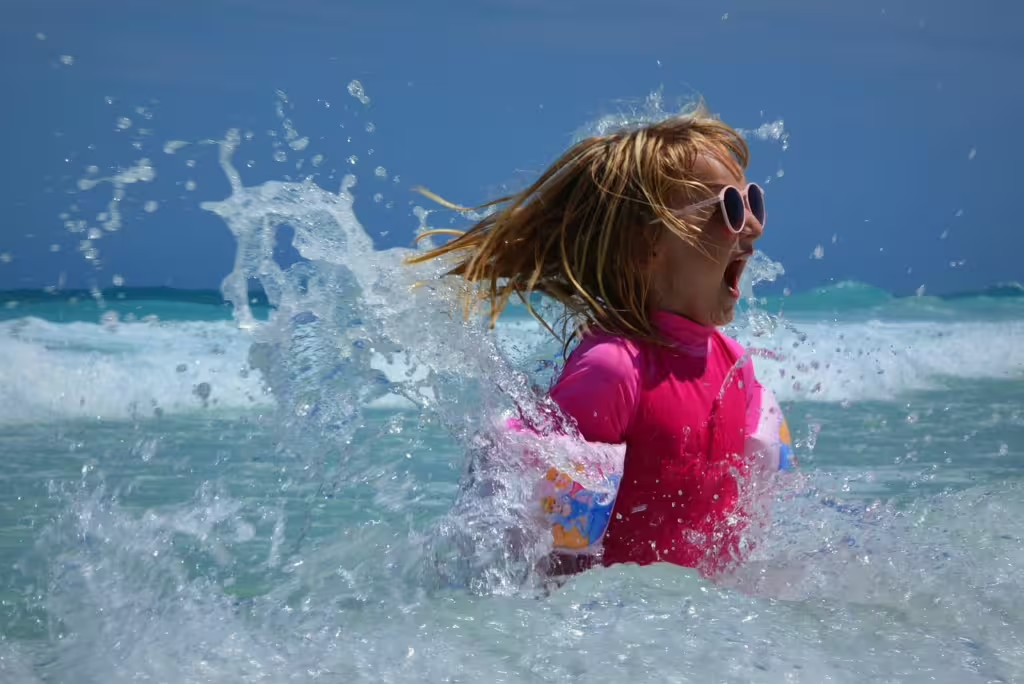
Well, for one, they take place at the frickin’ BEACH! We joke…but there are many ways in which beach sports differ from traditional field or indoor sports. The environment and the terrain create new challenges and opportunities for athletic play.
Anyone who has ever walked on sand knows how challenging it can be…especially when you’re dragging a cooler, a couple chairs, and a beach bag. Sand creates resistance, making movement more physically demanding, but also can help us feel grounded as we play; since we generally play sports on the beach in bare feet.
Being by the water also tends to make for a windier experience at times. Wind can affect not only our physical balance but how well we control say, a volleyball. When it comes to water sports like surfing, waves introduce a measure of unpredictability as well. The wind doesn’t help much in this regard either, incidentally.
Despite all this, the beach is often seen as having a more relaxed atmosphere than one might expect sitting alongside a baseball diamond, basketball court, or Quidditch pitch. As such, kids often feel less pressure and more freedom, which can make it easier to try new activities. Parents get the benefits of this relaxed atmosphere as well, and can feel more at ease whilst teaching and playing with their kids.
Beach Volleyball: Teamwork and Movement
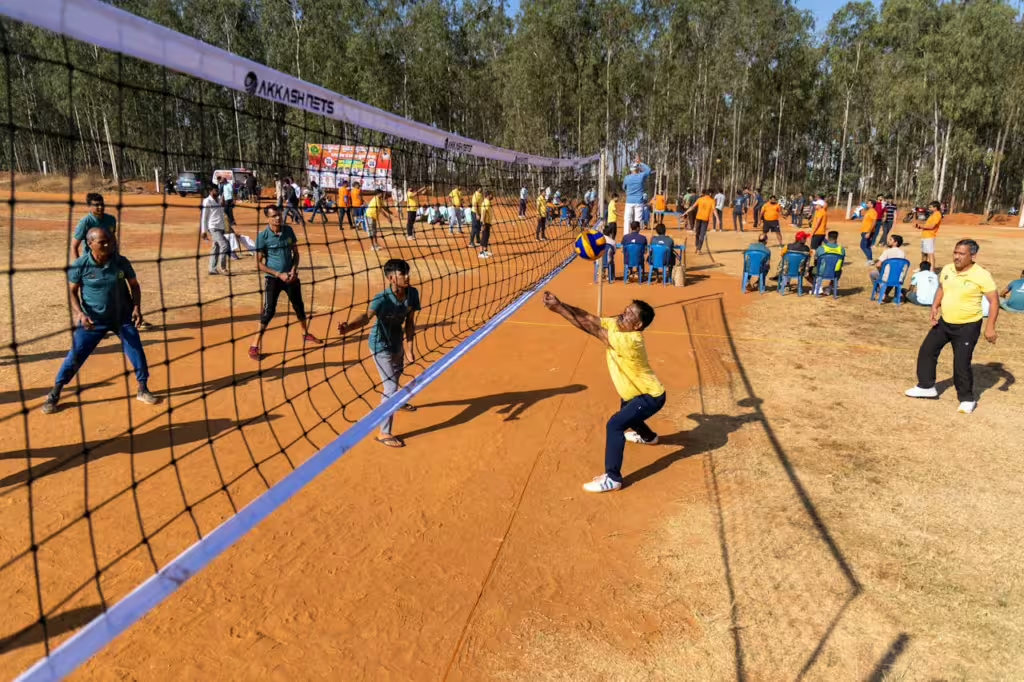
Beach volleyball is a great introduction to team sports for kids. Being able to play in a fun, open setting, on the sand, can make it feel novel, especially for children that may have never even dabbled in beach sports before.
Playing true beach volleyball helps children develop better hand-eye coordination, timing, reaction speeds, agility, and balance. It also helps to enhance one’s communication with teammates, as calls of “I got it,” go ringing out across the dunes. Additionally, because sand is softer than a hard court, it also reduces the impact of falls, which can make kids more comfortable diving for the ball.
Why It’s Great for Beginners
Beach volleyball might seem daunting if you’re shorter than 3 feet tall, but it’s actually fairly easy to adapt for younger players. If need be, parents can lower the net, use a softer or inflatable beach ball, or play smaller-sided games (1 on 1, 2 on 2, etc.) It’s this flexibility of play that allows it to be such a fun, versatile game for kids just beginning their athletic journey.
They can build up the basic skills at their own pace, in their own time, and often under the tutelage of their main support system. What we mean by this is that, casual games with family members are often a great way for kids to learn the basics without feeling overwhelmed.
Surfing: Balance, Confidence, and Patience
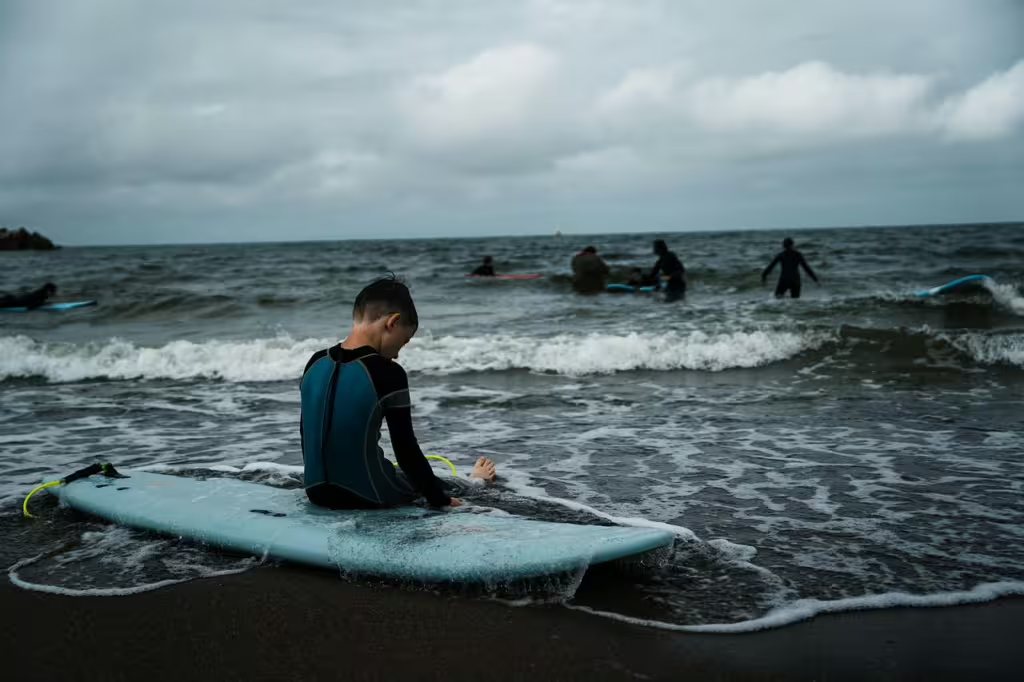
Surfing, meanwhile, takes place in a completely different environment, one that may abut the sandy shore but is definitely more challenging in many ways. Nevertheless, it is a great way to connect children directly with the ocean, improve their balance, coordination, swimming ability, and confidence in the water. As they surf, kids learn the value of patience and timing, they learn to aware of their surroundings, and with each subsequent wave they catch, they build upon their previous accomplishments.
Starting Safely
Unlike volleyball, surfing isn’t as beginner-friendly; at least not for kids who haven’t yet learned to swim. For beginners, safety and preparation are they key to overall success. When scouting out potential surfing locations, parents should look for areas with calm, shallow waters and small, manageable waves. Also, they might want to avail themselves of a qualified instructor if they are not, themselves, an expert. Surfing lessons also will not go amiss. Finally, using the right equipment, such as a beginner-friendly board, will make a big difference in how enjoyable a young child finds their first foray.
Emotional Growth
Surfing might be harder from the jump, but it teaches lessons that go beyond physical skills. Through surfing, kids learn to handle setbacks when they miss waves and stay patient while waiting for the right moment to begin. They also learn about confidence, resilience, and persistence. It takes a lot to keep getting knocked off a board and get back up to try again, but the knocks are worth it once they ride their first wave to completion. Ultimately, these sometimes trying experiences can translate into greater resilience in other areas of life.
Comparing Volleyball and Surfing
While both sports take place at the beach, they offer vastly different experiences to young kids. Where beach volleyball is team-based, surfing is more individually-focused. The former is more fast-paced and social, whereas the latter requires infinitely more patience and practice. Finally, where volleyball is fairly easy to start, surfing presents more of a learning curve. The point is, neither sport is for everyone. More social kids may enjoy the action and energy of volleyball, whereas more introverted kids might prefer to face the waves on their own terms. That said, trying both can help your child discover what they enjoy most.
Safety Considerations
While beach sports are fun, it is always important to discuss proper safety measures before the fun begins. Parents should always keep kids covered, wearing sun hats, sunscreen, and protective clothing when in direct sunlight. During play, children and adults should take breaks in the shade and drink plenty of water. Also, we don’t need to tell you that the sea is unpredictable and even with lifeguards on duty, everyone should be practicing proper water safety.
Parents should always be supervising children closely, especially when surfing. Keep up to date on warnings about rip currents and other dangerous conditions, and stay within the assigned swim areas. Finally, be sure to follow lifeguard advice and guidance at all times. If they warn you to get out of the water because things are unsafe, heed their words.
Cultured Athlete Says…
As you can see, beach sports like volleyball and surfing offer a unique blend of physical activity, skill development, and fun for kids of all ages. Not only do they allow kids to move, explore, and grow in an environment that feels both exciting and relaxed, they give parents a rare opportunity to directly engage with them on an athletic level.
As parents, we often forget to see the forest for the trees in terms of our child’s overall development. The goal isn’t to create expert athletes overnight and to see their skills on display a day later. It’s to provide opportunities for children to discover new athletic pursuits, to have fun, build confidence, and stay active. Who knows, the family activities we and our children enjoy at the beach may one day set the tone for the way they have fun in the future. And with any luck, that fun will involve engaging, enriching, physical activity.
Discover more from CulturedAthlete
Subscribe to get the latest posts sent to your email.