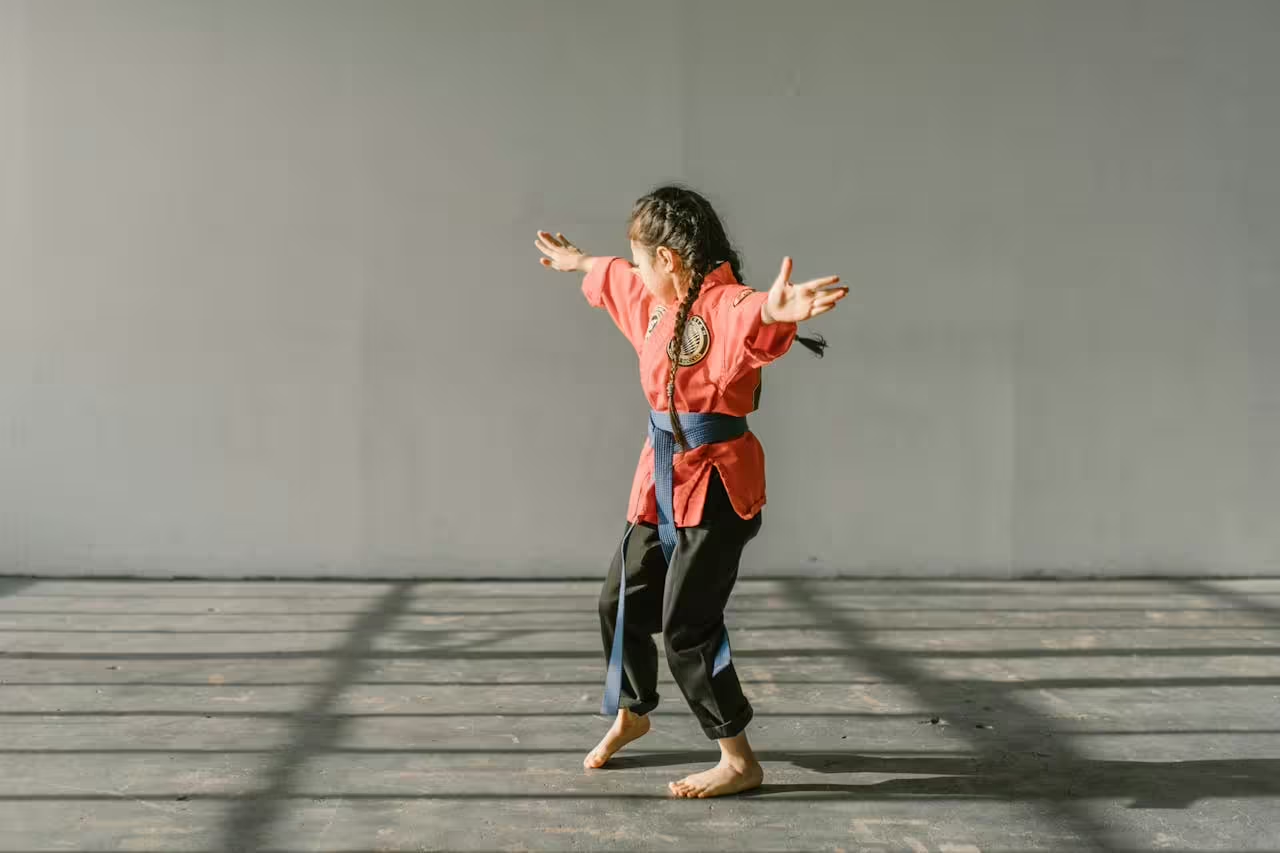


Of all the different sports that kids can play, many consider gymnastics to be one of the most exciting and demanding of the bunch. If your child is very young and already enrolled, you probably can’t believe that. As this writer can attest with his own daughter; they don’t make them do a whole lot in peewee level gymnastics. As it turns out, the real challenges come much later in a child’s gymnastics journey and they can be rather more demanding than many parents are prepared to manage.
If you think about it, the combination of different “events” within the auspices of gymnastics is quite a mixed bag, as it were. Children are expected to learn the balance beam, uneven bars, rings, vaults, and pommel horse, along with all manner of tumbling activities; both lyrical and non-lyrical. The sport requires a decent mix of strength, flexibility, coordination, and discipline.
https://culturedathlete.com/8691/how-simone-biles-started-her-gymnastics-journey/When kids are are at a recreational level, these elements can be fun and confidence-building. However, at a certain point, your child might be interested or talented enough to want to join a competitive gymnastics team. The question then is: how do you know when they are ready?
In this article, we will explore competitive gymnastics in general. We will look into several facets of the sport and discuss what it involves, as well as how much commitment is needed from both children and families. That way, when you do find yourself asking that question, you’ll have some idea what to look for to determine the answer.
What Is Competitive Youth Gymnastics?
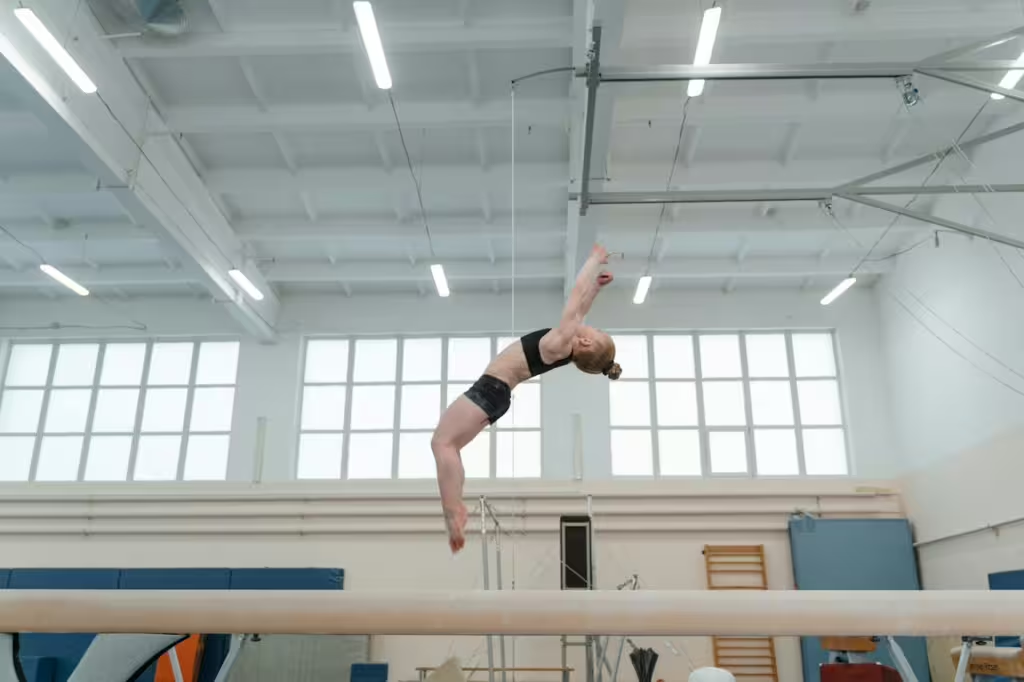
Competitive gymnastics is different than those early, recreational programs we touched on in the opening paragraph. The competitive level represents a more structured form of gymnastics where athletes train regularly. They also participate in organized meets against other teams or clubs.
Most competitive programs shift from “having fun” and learning the basics to progressing an athlete’s skills, getting down routines, and scoring high in those aforementioned competitions. Competitive programs normally group gymnasts by age and skill level, though the program might have its own internal structure as well. In any event, most athletes move through levels over time as they master new skills.
The Time Commitment
Perhaps the biggest differences between recreational and competitive gymnastics is the rigorous schedule of the latter. Competitive gymnasts are often expected to attend practice multiple days per week, usually for several hours at a clip. This isn’t a bare hour of goofing around on mats, this is serious business for gymnasts in training.
It isn’t always higher level competitive leagues either, even beginner-level teams may require more training than families might expect. Moreover, as athletes advance, practice time actually increases. For parents and for the kids themselves, this requires an awful lot of schedule juggling. You’ll need to balance school schedules, family time, and transportation, all while leaving enough meat on the bone for your budding gymnast to get rest and recovery.
We bring this up because, apart from the physical demands of the sport, it’s important that parents take the time to consider whether the commitment fits comfortably into their family’s routine.
Understanding the Physical Demands
Gymnastics, at its core, is already more physically demanding than some sports. Even at young ages, kids are developing their strength, flexibility, balance, coordination, and endurance. Competitive level gymnastics incorporates even more repetition and conditioning, so that gymnasts can perform their skills not only safety, but with unparalleled poise. It is precisely because the sport is demanding, that we make it a point to recommend proper rest and recovery.
Emotional Readiness Matters Too
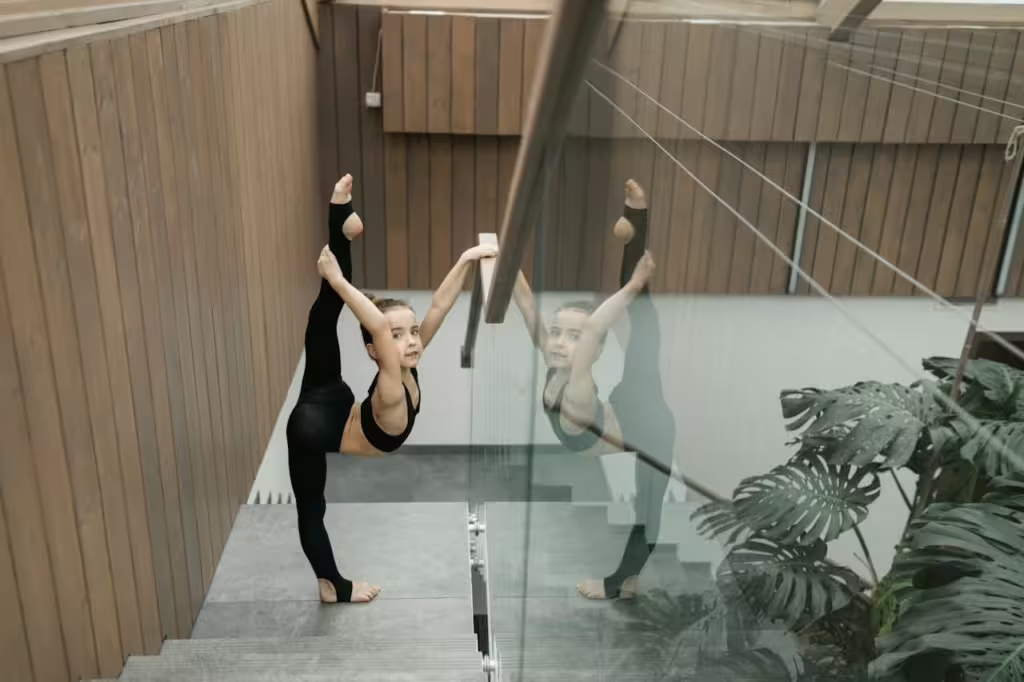
Competitive gymnastics, as with most competitive sports, is not just about the physical challenge, it also requires a degree of emotional readiness on the child’s part. In order to be able to keep up with the challenging emotions of the sport, children should be able to stay focused, follow instructions to the T, and handle corrections and criticism from coaches.
Higher levels of competition can also introduce added pressure and nerves to the recipe. And truthfully, some kids do thrive in structured environments like these. You just have to know if your child is one of them or if they prefer a more relaxed, recreational setting.
Even if you think you know at the start, however, we recommend that parents pay attention throughout their child’s first few weeks in this new, competitive setting; just to see whether or not the child genuinely enjoys the process.
The Importance of a Positive Gym Environment
Choosing the right gym is one of the most important decisions parents can make. For example, a healthy gymnastics environment should emphasize safety, skill development, and age-appropriate expectations; regardless of how competitive the program claims to be. Coaches should be stern but positive, knowledgeable, but flexible when they need to be.
Try visiting gyms with your kid before you sign up. When you do, look for coaches who encourage athletes respectfully, focus on progress rather than perfection, and promote teamwork and confidence over just raw scores and perfection. In short, the overall atmosphere should feel supportive, not intimidating.
Financial Considerations
Be forewarned, parents, competitive gymnastics can be expensive. You will be expected to pay for monthly tuition, competition fees, uniforms or leotards, and all associated travel expenses. Note that some programs also require special equipment and even additional training camps or clinics; the latter of which often have an associated extra cost. This is why we tell parents to price things out from the get-go. You need to understand the financial commitment ahead of time if you want to avoid any surprises later on.
Cultured Athlete Says…
As you can see, competitive youth gymnastics is definitely going to challenge your child, though it may also be one of the most rewarding and exciting experience they ever engage with. Kids that love gymnastics will be drawn to the higher levels or play and performance, but really any child who enjoys a challenge, movement, and structure will feel enriched by it.
Still, before signing them up, it’s important that parents understand the level of commitment involved. Competitive gymnastics can be physically, emotionally, financially, and logistically difficult on many levels, so the key to getting past all that is to find the right balance for everyone involved.
Because when gymnastics is approached with support, patience, and realistic expectations, it becomes more than just a sport. It can be an opportunity for your child to become stronger, more skilled, and more confident than you or they have imagined. For all you know, they may end up being the next Olympic representative for your country’s gymnastics team!
Discover more from CulturedAthlete
Subscribe to get the latest posts sent to your email.