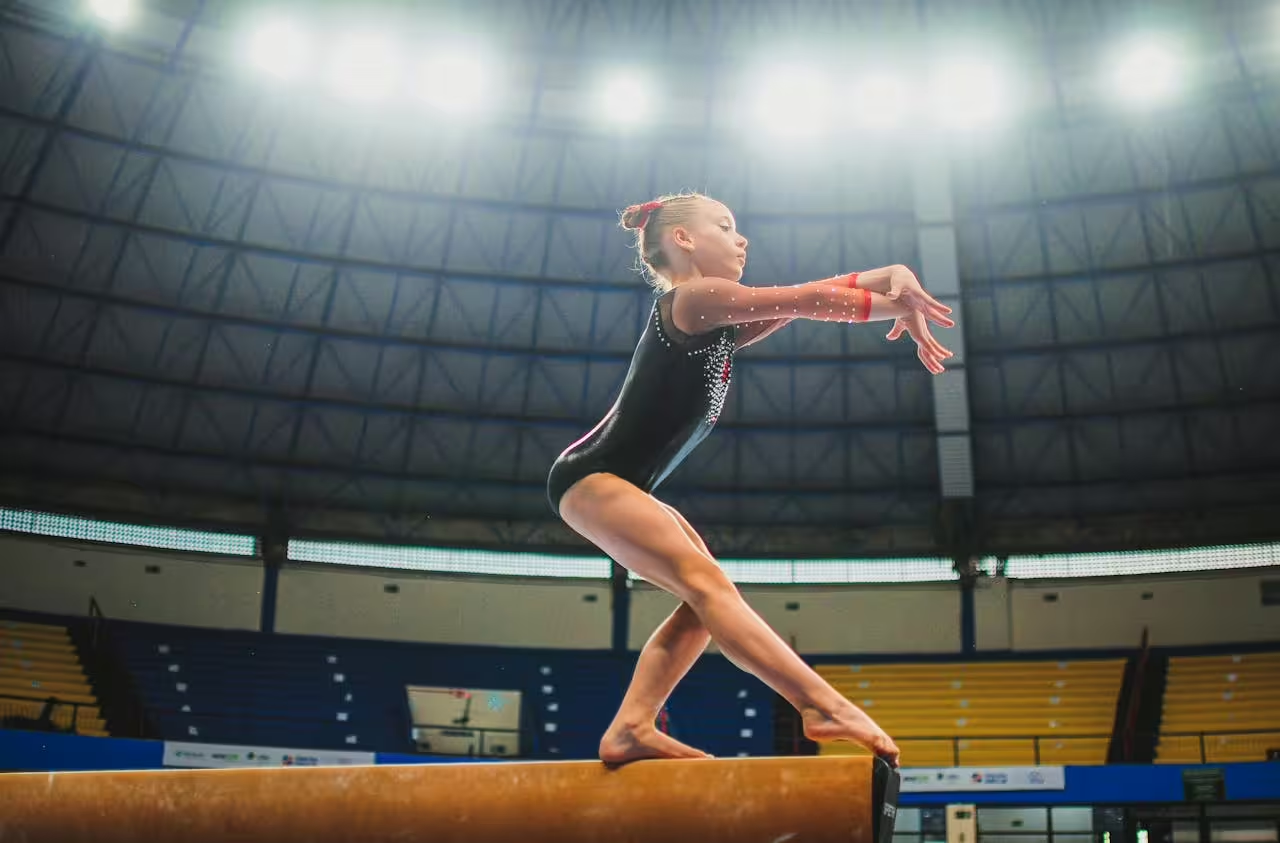
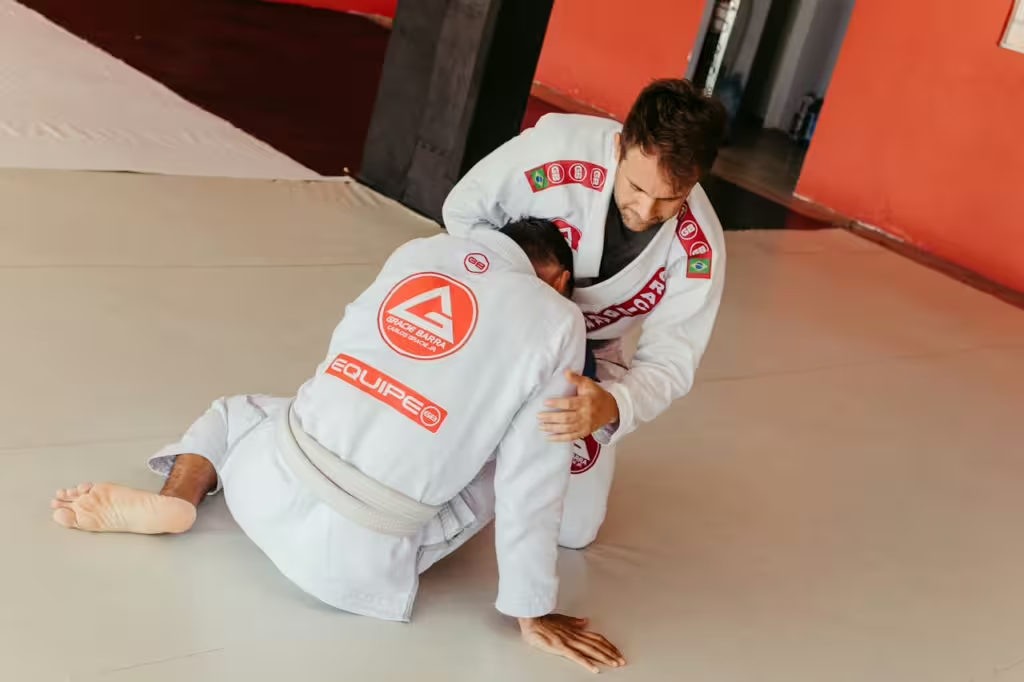

These days, the world of youth sports has expanded beyond your run-of-the-mill soccer, basketball, or baseball teams. In recent years, sports like gymnastics, pickleball, and many different styles of martial arts, have become far more popular and accessible for children everywhere. One martial art, in particular, has come into the zeitgeist of youth sports in a very tangible way. We’re speaking of course, of Brazilian Jiu-Jitsu.
Brazilian Jiu-Jitsu stands apart from other, more recognizable martial arts, not just because it originated in Brazil and not the Far East, but because it offers up a very different kind of athletic experience to children than some of its traditional cousins. Some unfamiliar parents might find that the difference lies in Brazilian Jiu-Jitsu’s inherent intensity, but the truth is, most youth programs place a strong focus on safety.
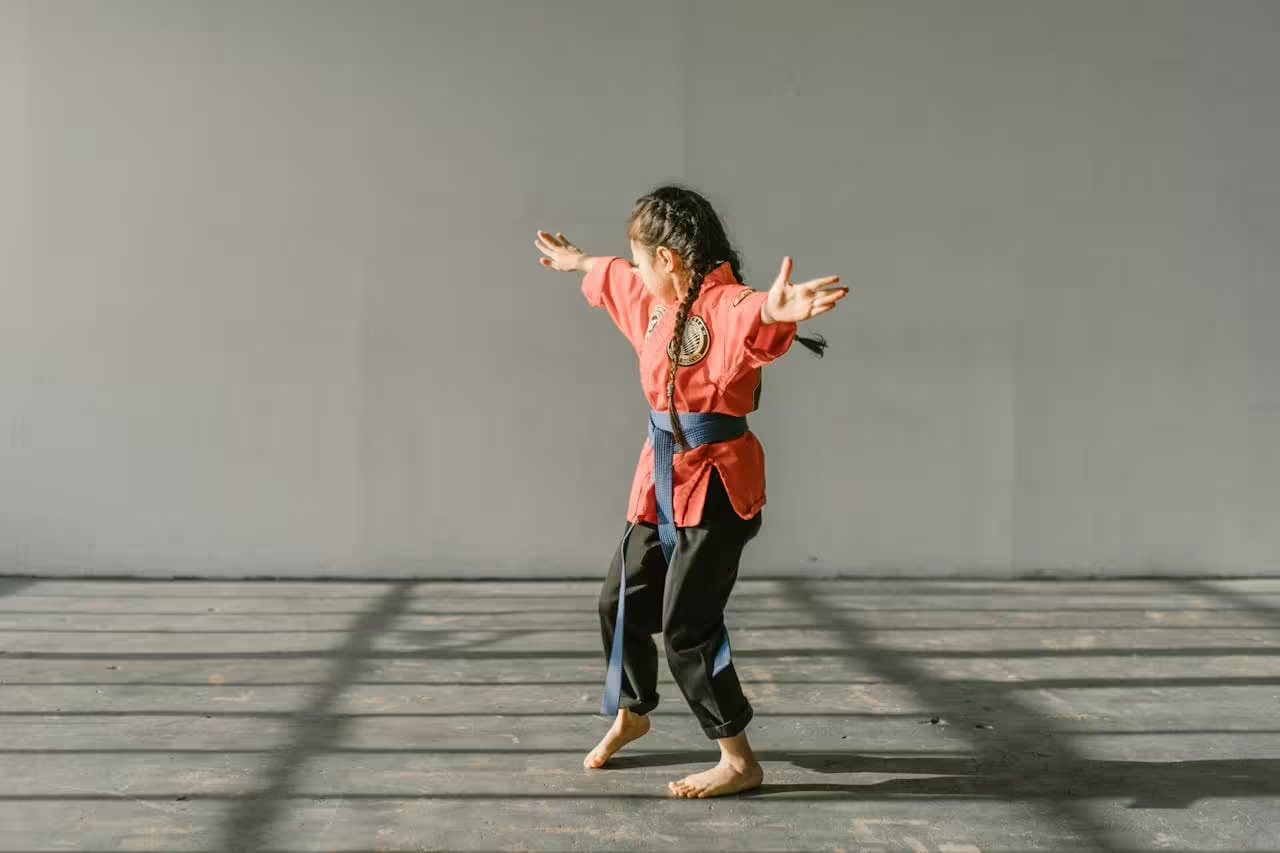
Martial arts, no matter the discipline, give children an outlet for physical activity, while simultaneously teaching them valuable lessons in confidence, patience, and self-control. Through martial arts, children learn about respect and what it takes to attain personal growth.
In this article, we will speak about how Jiu-Jitsu works and how it differs from other youth martial arts. At the same time, we will discuss what children gain from participating in it. Finally, we will educate parents so that they can decide whether it might be the right fit for their child.
What Is Jiu-Jitsu?
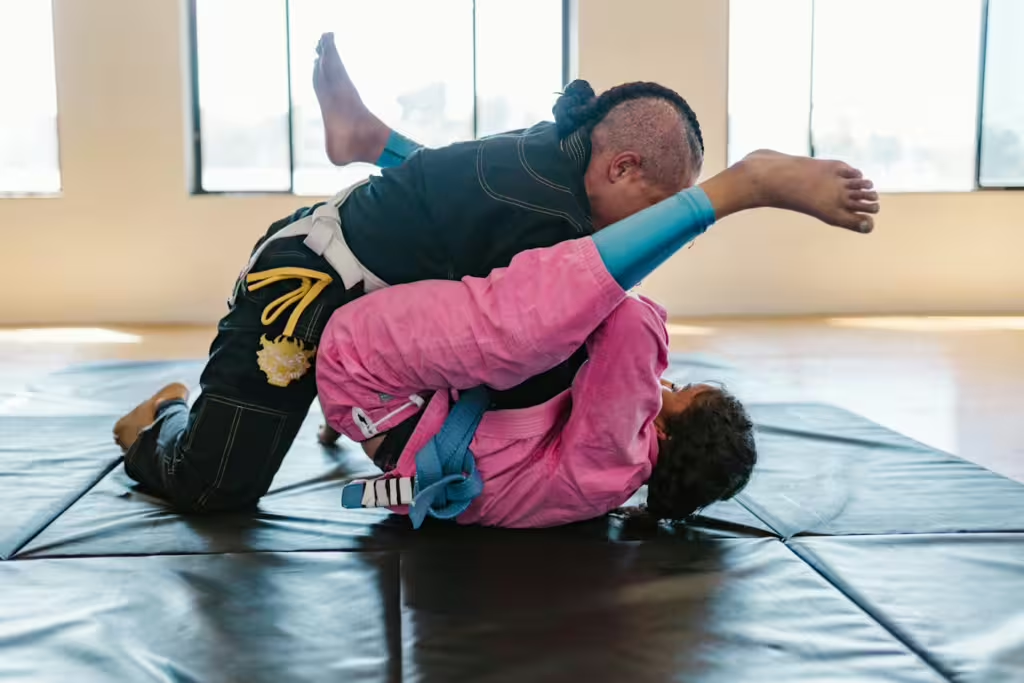
Brazilian Jiu-Jitsu, often called BJJ, is a martial art, much like karate, taekwondo, and kung fu. Unlike those other disciplines, which sometimes focus on kicks, form, or what have you, Jiu-Jitsu is focused on grappling, positioning, and leverage. It is in those techniques that the martial art stands out from the pack of available youth combat sports.
Unlike striking martial arts, Jiu-Jitsu primarily involves children getting in and out of holds, pulling their opponent to the ground, or forcing submission via different positional techniques. And while this might sound pretty strong-arm in terms of tactics, the goal is not to use only one’s brute strength to take down an opponent, but to learn to use body positioning and strategy hand-in-hand.
Worry not though parents, youth programs are usually highly structured and age-appropriate move sets, actions, and strategies. Safety is always on the instructors’ minds.
Why Parents Are Choosing Jiu-Jitsu
As with many martial arts, Jiu-Jitsu combines physical fitness with character development in one convenient package. Children are taught respect, focus, and discipline, as well as self-control. This latter concept is of particular importance because it helps the children channel their aggression into success; even in the heat of combat.
At the same time strategic thinking and problem-solving skills are a big part of how a martial artist wins in these bouts. The key takeway for many kids early on is that technique often wins out over physical dominance and that skill, ingenuity, and confidence can win out over intimidation.
Physical Benefits of Jiu-Jitsu
Jiu-Jitsu is a full-body workout that helps kids improve their core strength, grip strength, endurance, and flexibility. It also helps in coordination and balance, allowing children to better develop their body awareness, especially during the constant bouts. Ultimately, because movements involve the entire body, kids build functional athletic ability over time.
Healthy Energy Outlet
For kids with an excess of energy, martial arts like Jiu-Jitsu provide a productive outlet for that energy. They can run, wrestle, and sweat, all while remaining mentally engaged and focused on the task at hand. For kids with ADHD or other types of autism, these sports are an excellent choice. They aren’t just good for getting them moving, they are good for helping them to socialize and calm their minds.
Mental and Emotional Benefits
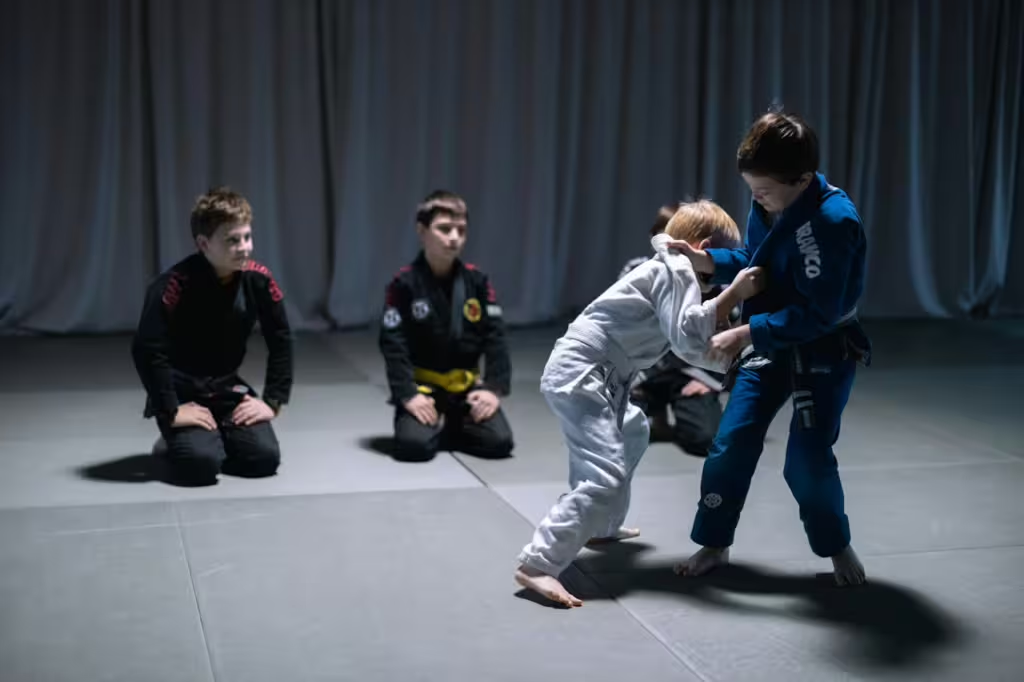
One reason Jiu-Jitsu has become so popular among parents in recent years is due to the fact that it can positively impact a child’s mental and emotional development. As kids learn new techniques, take down opponents, and progress through the belt levels, they gain confidence. Remember, individual sports like Jiu-Jitsu are more focused on a person’s constant improvement and independent achievement, rather than winning or losing a single match.
Since mistakes in sports are part of the learning process, Jiu-Jitsu can teach children a thing or two about resilience as well. Each time they lose, they learn about what they did wrong, they learn about their opponent, and they learn that persistence can eventually lead to success. Each loss builds emotional resilience and each slow step towards success teaches the value of patience.
Most martial arts require a decent degree of concentration and good listening skills; Jiu-Jitsu is not different. Kids learn to follow instructions while staying mentally engaged with the lessons. These are habits that can be helpful in academic life as well.
Safety in Youth Jiu-Jitsu
We admit, some parents may worry that Jiu-Jitsu sounds too rough for their children. But the fact is, the most reputable youth programs focus heavily on safety. Instructors supervise children very closely. There are clear rules, age-appropriate courses, and controlled drills in place to make sure no one gets seriously hurt; even accidentally.
The concept of respect for one’s opponents, peers, and instructors is instilled early on, as is the idea that unnecessary force is never recommended, or tolerated. Long story short, the environment is generally much more structured and controlled than many parents expect.
Is Jiu-Jitsu Right for Every Child?
Plainly, Jiu-Jitsu can benefit many different personality types. Indeed, kids who enjoy problem-solving, have an excess of energy they need to get out, prefer individual progress and independent sports, and who may need the boost of confidence, might do well in this martial art. At the same time, some children will thrive in the structured environment and be motivated by the clear expectations martial arts provide.
Cultured Athlete Says…
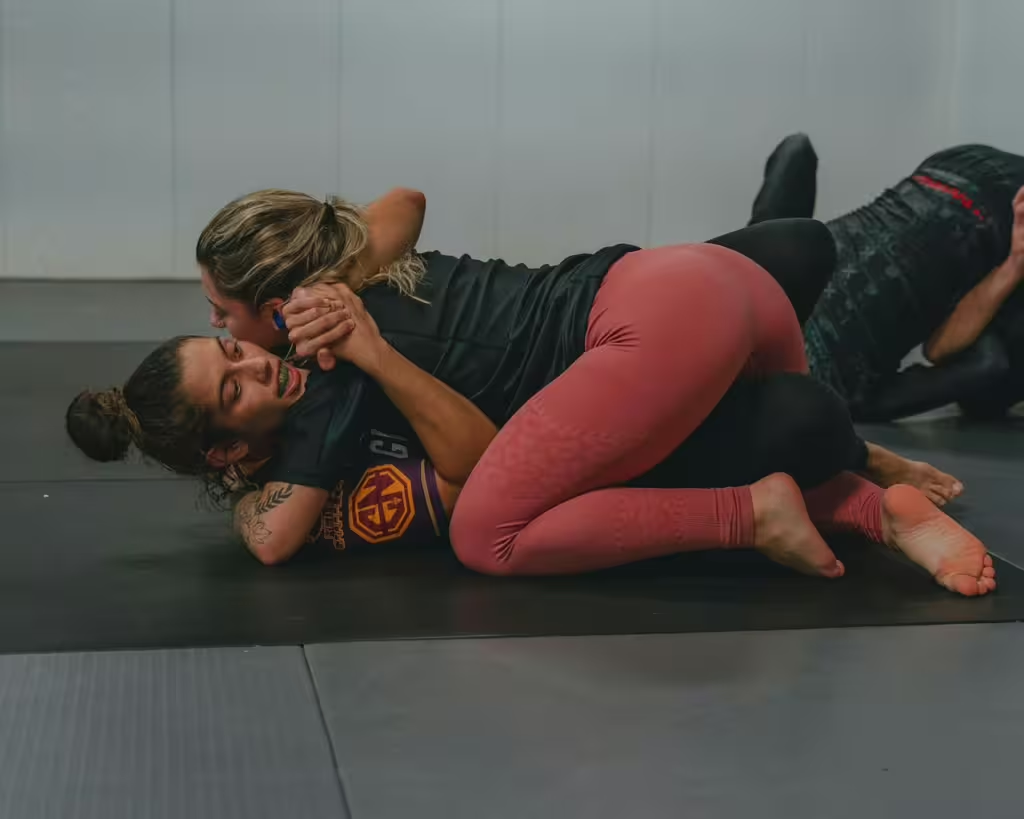
As you can see, Brazilian Jiu-Jitsu offers children the discipline, patience, confidence, resilience, and physical exercise they need to be healthy and enriched. Like all martial arts, Jiu-Jitsu allows children to improve themselves and their skills in an environment built around respect and steady improvement.
There is a balance that exists in martial arts. Brazilian Jiu-Jitsu challenges children physically, yes, but it also supports their emotional growth and self-control; this is the definition of balance when it comes to youth sports. Frankly, that balance between physical, emotional, and mental health has always been one of our main talking points for having children join youth sports in the first place. In that regard, Brazilian Jiu-Jitsu fits the bill perfectly.
Discover more from CulturedAthlete
Subscribe to get the latest posts sent to your email.