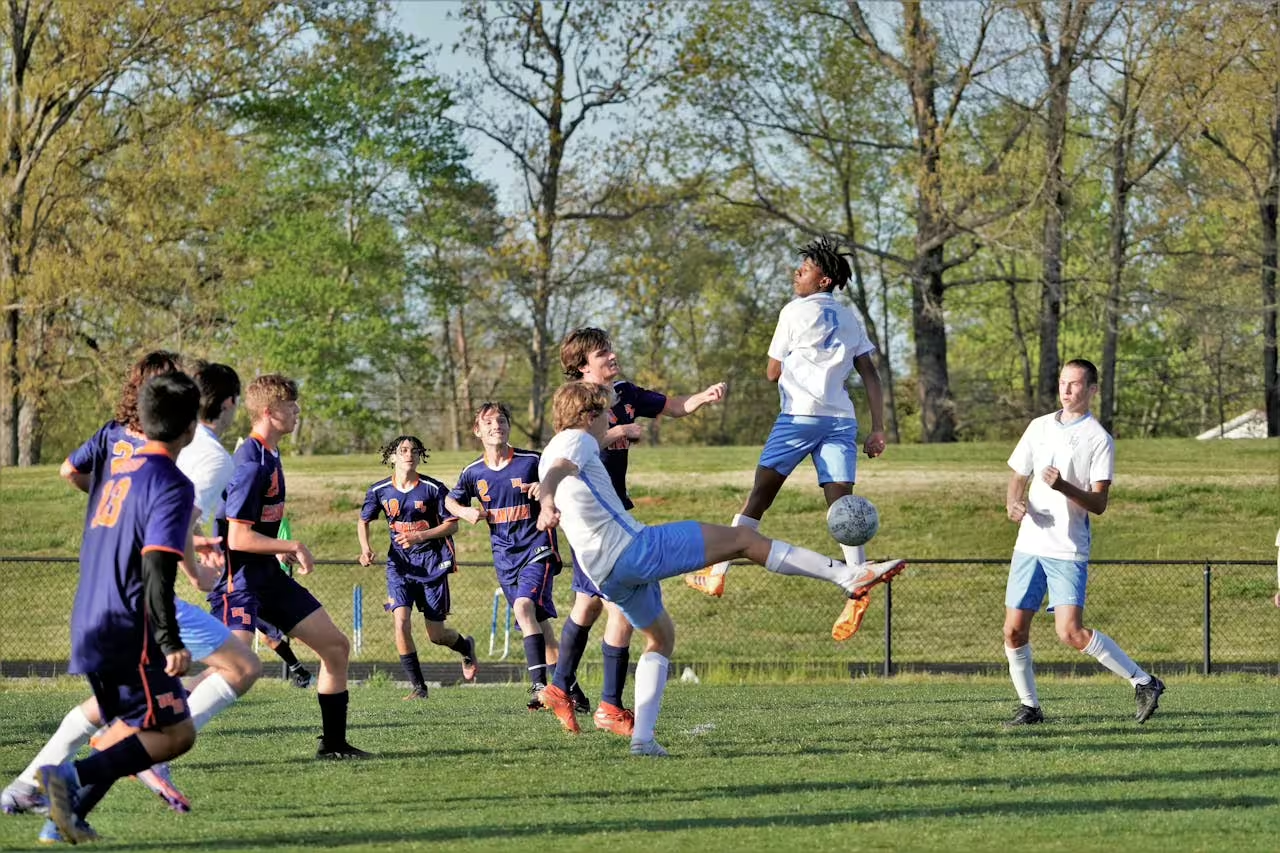
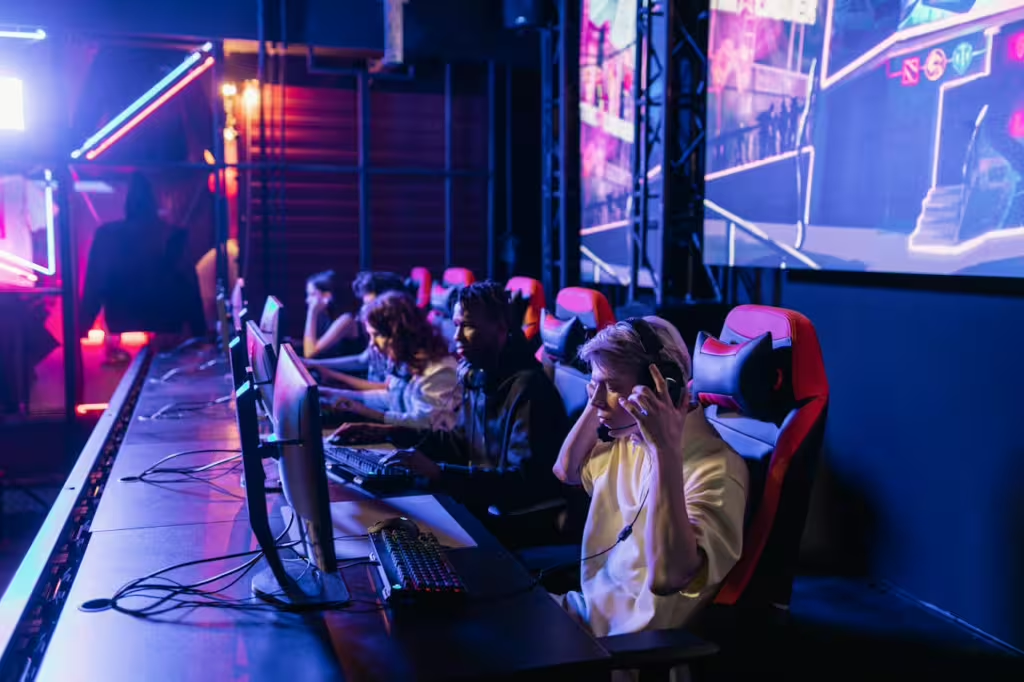

For many parents, the idea of sports is anything that enriches one’s physical, emotional, and mental well-being. Yet, even today, most parents believe that the physical aspect of a “sport” needs to get a kid’s blood going, needs to see them sweating, working out all their various muscle groups. It still brings to mind soccer fields, basketball courts, and swimming pools. But in this day and age, another type of youth competition has become impossible to ignore: esports.
Esports, which refers to organized competitive video gaming, has grown by leaps and bounds over the past several decades. It has gone from a niche activity to a major source of entertainment and enrichment for kids all over the world. As much as some parents might not like to admit it, esports is here and it’s here to stay; and that’s not necessarily a bad thing.
Already, schools, recreation centers, and community organizations are openly offering structured esports programs alongside their traditional athletics ones. While concerns about screen time are understandable, more than a few enlightened parents have begun to recognize that esports can also provide meaningful benefits to children. As with regular sports, this only works when parents approach their child’s invovlement in a balanced and healthy way.
In this article, we will talk about esports, how it works, and how it mirrors many of the positive facets of traditional sports. After all, esports involve teamwork, practice, communication, and strategy; the same as many team sports. Before we’re done, you’ll see how, even if your child chooses to compete in esports, that doesn’t mean this fun, enriching activity won’t also help them to level-up in life!
What Are Esports?
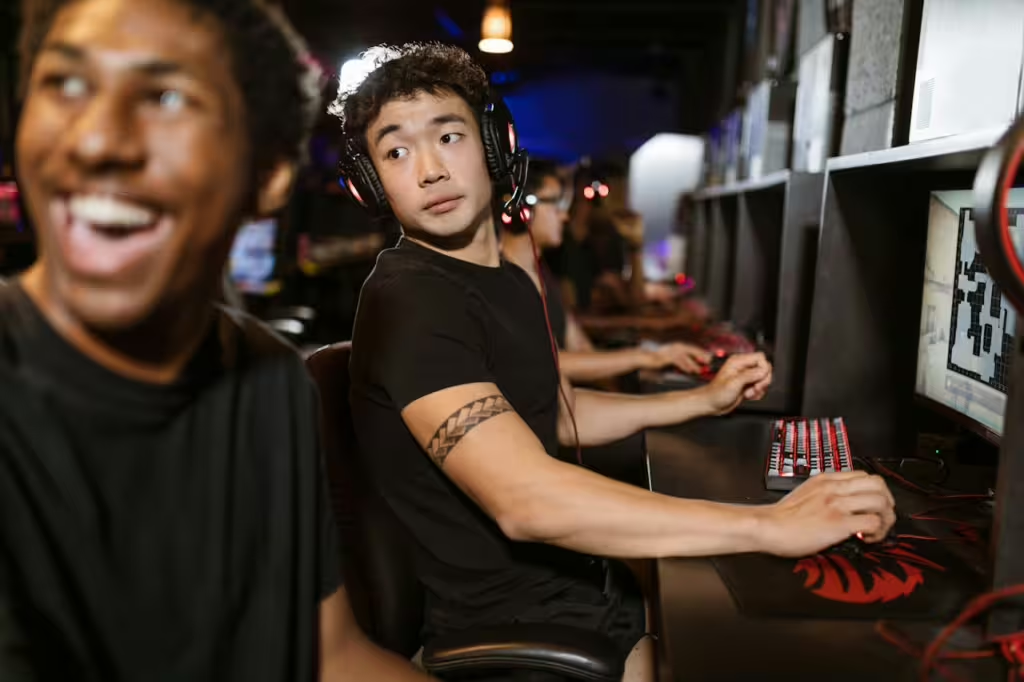
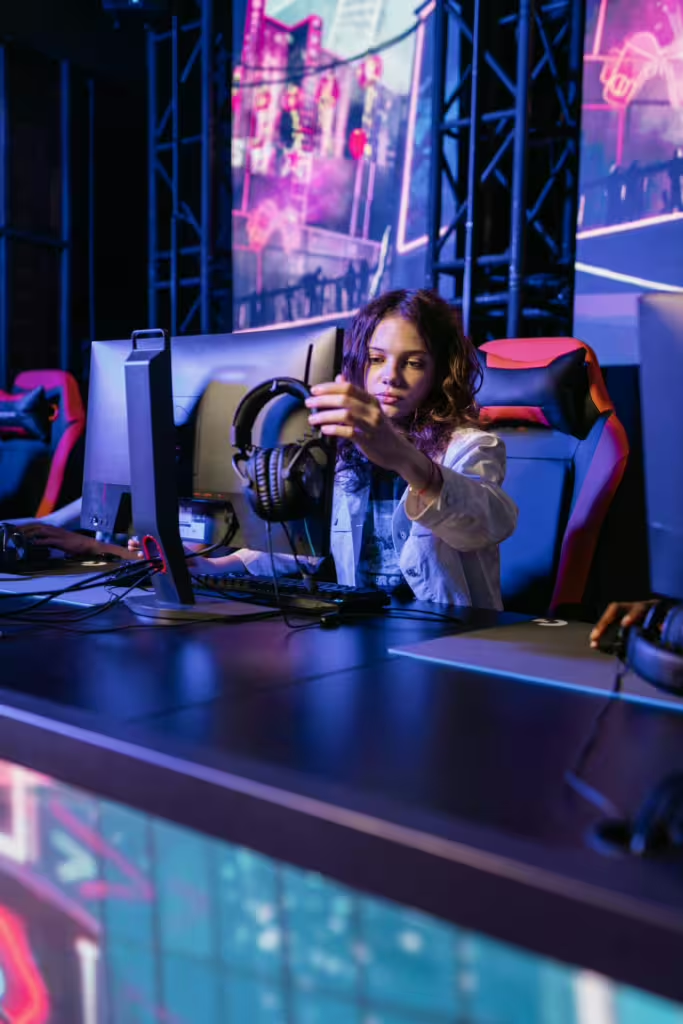
To begin, esports doesn’t just mean that your child is sitting in their room playing video games by themselves. When we talk about modern esports, we are talking about organized competitions centered around multiplayer games, specifically.
Players may compete individually or as part of a team. In general, those games place particular emphasis on strategy, communication, and coordination. At the same time, players are required to exercise fast decision-making and excellent hand-eye coordination.
As of the writing of this article, many schools and youth organizations have created structured esports leagues and these teams tend to be very similar to traditional sports teams. Such programs include scheduled practices, coaches, and organized tournaments; the same as a child would experience if they were on a basketball, gymnastics, or football team.
This structure is vital to the success of esports leagues, because it helps transform them from casual gaming into a more purposeful activity that can be shared with one’s peers.
Why Kids Are Drawn to Esports
Many parents might mistakenly believe that only “nerdy” kids want to play esports, but the truth is, children from all walks of life are drawn to esports. The truth is, children today are naturally interested in technology and gaming and esports helps to hone that interest into something productive. In the same way as playing soccer helps a kid work out boredom and nervous energy for some kids, esports does the same for others.
Moreover, esports combines the same aspects of competition, teamwork, skill development, and social interaction that a parent would look for in any other youth athletic setting. And truthfully, for some kids, especially those who may not connect with traditional athletics, esports provide another way for them to participate in organized activities…with other humans!
Indeed, it is likely this type of inclusivity which has helped esports grow so rapidly among young people. It is also why it has been so much more accepted by adults that may never have considered it before now.
Teamwork and Communication Skills
One of the biggest misconceptions about gaming is that it is an isolating activity. And sure, playing a game alone in one’s room isn’t a great way to socialize; but what if you weren’t playing it alone? Multiplayer video games have been a part of the concept since the first game of Pong came out on the Atari. In organized esports, competition, socialization, and teamwork are part of the complete package.
To succeed at esports, teammates must work as a unit. They must communicate clearly, coordinate strategies, and support teammates under pressure. These interactions might seem trivial to outsiders, but they are actually helping kids develop important social skills along the way.
Believe it or not, this is exactly like how teamwork works in traditional team sports, esports teach children how to work toward shared goals, handle group challenges, and respect their team roles.
Building Strategic Thinking
Esports often involve fast-paced decision-making and problem-solving skills, not to mention their benefits to hand-eye coordination. Players constantly evaluate their team’s behavior, play style, opposing team’s strategies, timing, and positioning. some games teach about accuracy, critical thinking, adaptability, or resource management. And nearly all team esports games have kids working hard to focus under pressure. Many esports games even require long-term planning and quick reactions at the same time. These are excellent cognitive skills that can help them in different ways throughout their lives.
Connections to STEM and Technology
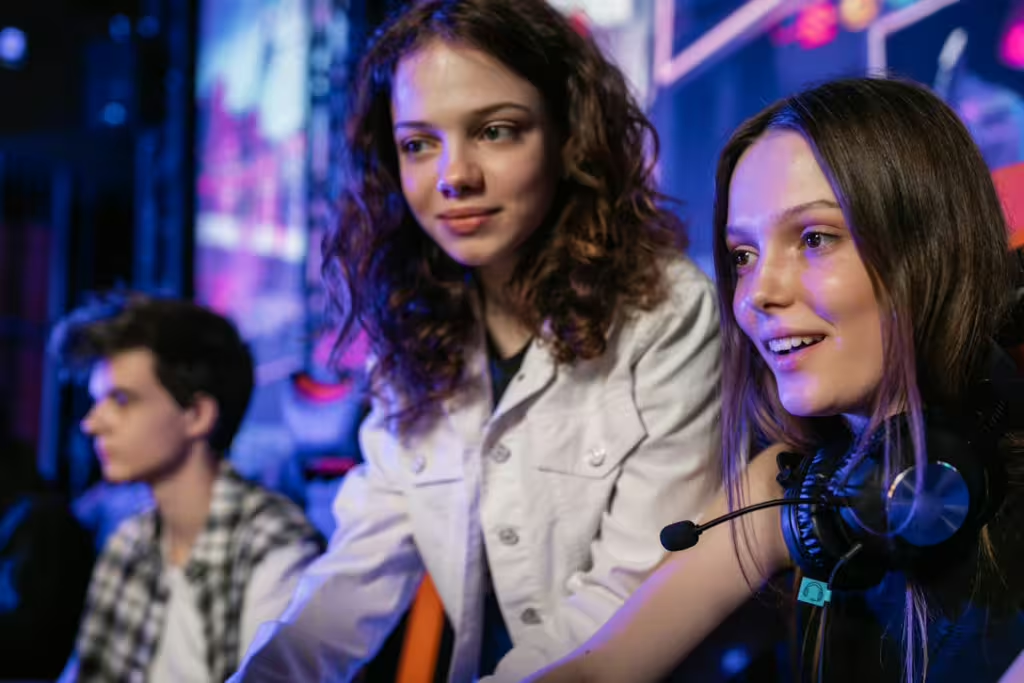
Since they are based purely on video and computer games, esports often sparks a child’s continued interest in technology-related fields. Kids that play esports may one day end up in the fields of computer science, graphic design, streaming, broadcasting, and coding. The might even get the chance to program their own game down the line! As a result of this correlation, some schools have begun to integrate esports into their broader STEM programs.
The Importance of Balance
Even with the benefits of esports, one must be mindful game/life balance. Parents should encourage their kids to keep up with physical activity, separate from their gaming. They should also make sure their sleep schedules and screen time are regulated properly. Too much time looking at a screen, especially in the evening can affect one’s melatonin levels, thereby affecting how well one sleeps; the same is true for young ones. Eye health and hand joint health is also important, so make sure they give those peepers and pokers a rest.
Cultured Athlete Says…
As you can see, the esports revolution has barely begun, but it has created new opportunities for children to compete, connect with one another, and grow as individuals. Organized esports can offer the same benefits as traditional youth sports, so long as they are tempered and balanced with physical activity and other responsibilities.
Because at their best, esports are about more than screens and games. They are about helping children discover their strengths, build friendships, and learn how to work toward shared goals in a rapidly changing world.
Discover more from CulturedAthlete
Subscribe to get the latest posts sent to your email.